
Buy any Woder Under-Sink System today and get 20% off your first replacement filter bundle. Clean water for a couple of years - guaranteed!
GET THE BUNDLE DEAL
Save up to $30 on all Advanced Filtration Systems. Easy DIY installation in under 15 minutes — no plumber required.
SHOP THE SALEBest Sellers
A better filter with
a better mission
Everyone should have pure and healthy drinking water on tap. No expensive systems.
No more plastic bottles.
They attract and filter out 99.9% of contaminants but leave in the naturally occurring minerals that are essential to your health.
Water Quality Guides & Tips
Learn how to maintain your filter, improve tap water quality, and choose the right filtration system for your home.



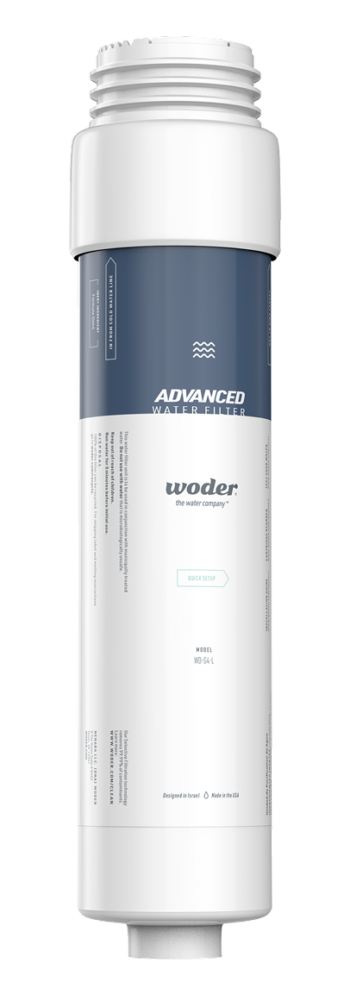
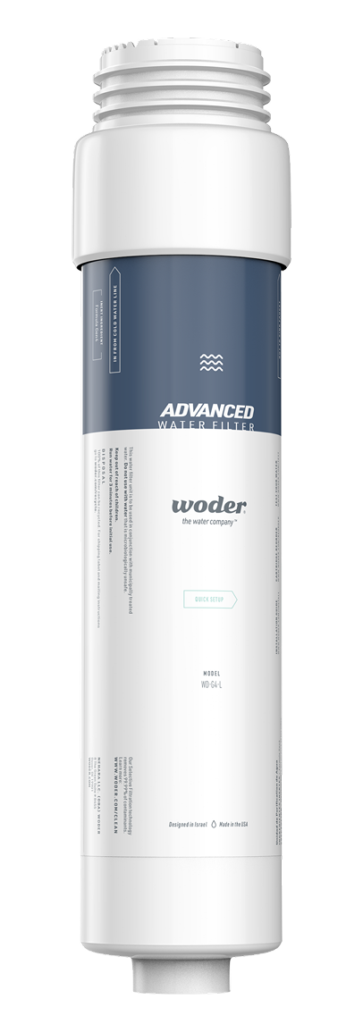
A woder water filter is built on a simple idea: filtered water shouldn't taste flat. Most systems on the market force you to pick a side - either contaminants stay in, or the minerals that give water its taste and nutritional value get stripped out along with everything else. We designed every Woder system, whether it mounts under a kitchen sink or connects inline behind a refrigerator, around Selective Filtration technology, our registered approach that targets lead, chlorine, PFAS, and other contaminants while leaving calcium, magnesium, and other beneficial minerals in place. The result is water that's crisp and genuinely safer to drink, not water that's been stripped down to nothing.
What Makes Advanced Selective Filtration Different
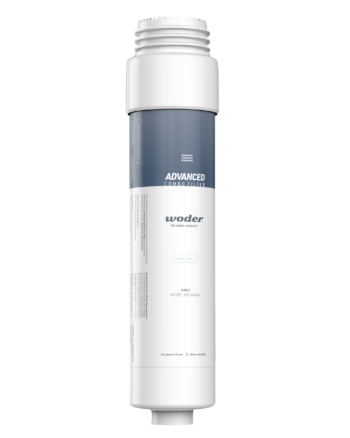
Standard carbon cartridges and reverse osmosis units both solve half the problem. Carbon media reduces chlorine and improves taste but lets a wider range of contaminants slip through unchanged, and it needs frequent swapping to keep working. Reverse osmosis goes the opposite direction - it strips out nearly everything, contaminants and minerals alike, and does it by wasting several gallons of water for every gallon that comes out the tap. Advanced Selective Filtration is our answer to that trade-off. It's a proprietary media blend, refined across four generations of engineering, engineered to target contaminants selectively instead of treating every dissolved particle the same way. In independent testing it delivers 99.9% contaminant removal for substances including chlorine, lead, and volatile organic compounds, while the mineral-retaining filtration behind it keeps calcium and magnesium exactly where they belong - in your glass.
Under-Sink or Inline: Picking the Right Format
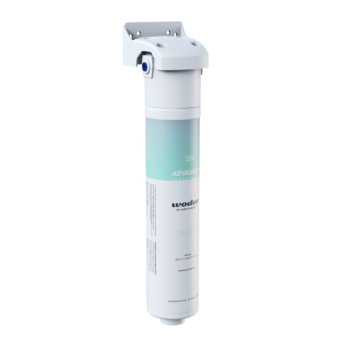
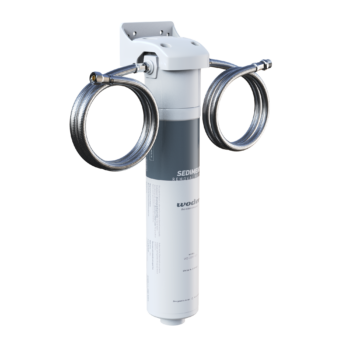
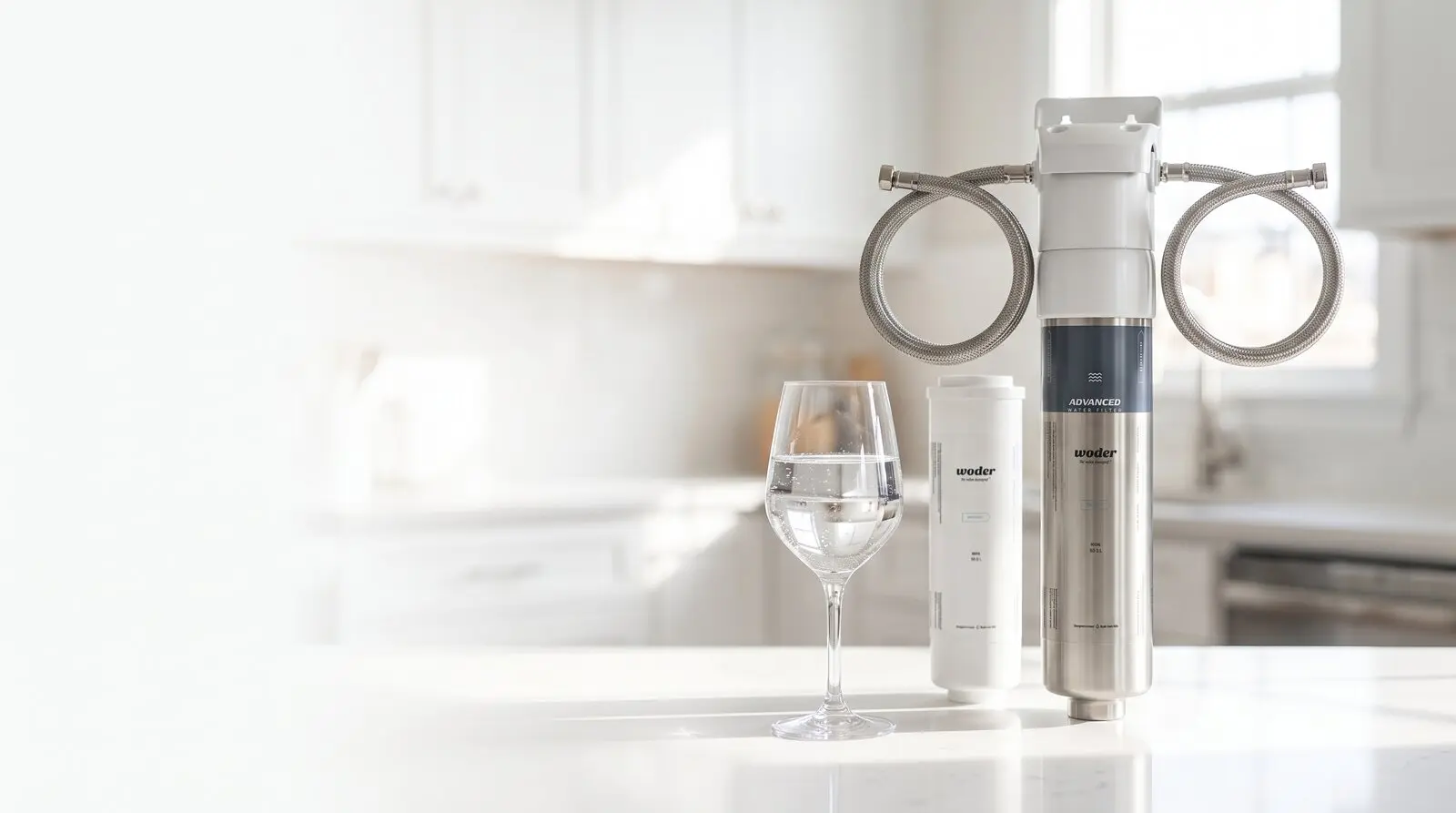
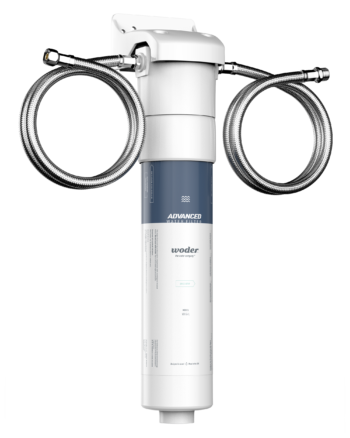
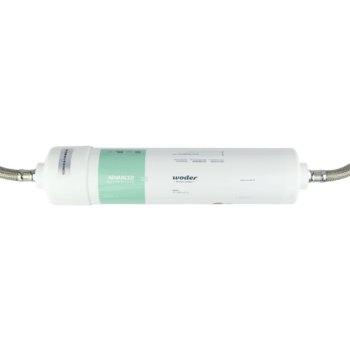
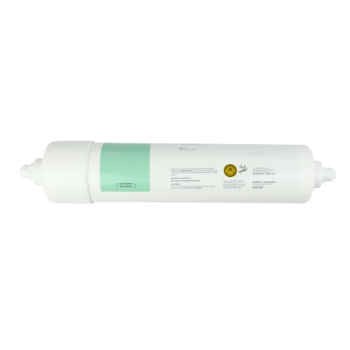
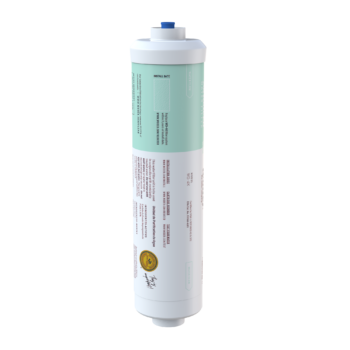
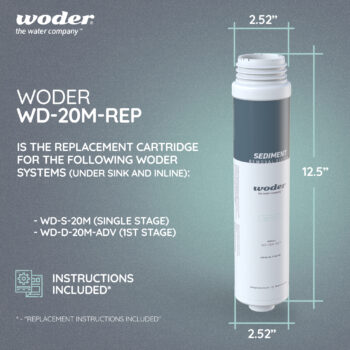
We build Woder filters in two formats so filtered water reaches wherever you actually need it. A woder under sink water filter taps directly into your cold-water supply line and sends filtered water straight out of your kitchen faucet, which covers drinking and cooking needs at the sink. A woder inline water filter takes a different path: it uses quick-connect John Guest fittings to filter water headed toward a refrigerator, ice maker, or RV faucet, and it goes in without tools or drilling. Plenty of households run both at once - an under-sink unit at the kitchen tap paired with an inline filter protecting the fridge line. Either way, both formats share the same Advanced Selective Filtration media underneath.
Under-Sink vs. Inline at a glance
 Under-Sink
 Inline
- Lead
- Heavy metals
- Chlorine
- Chromium 6
- Mercury
- Carcinogens
- VOCs
- PFAS
Backed by WQA Certification and US Manufacturing
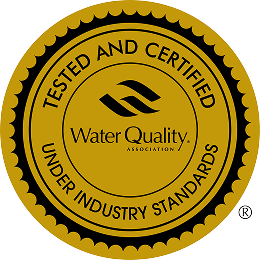
We'd rather point to third-party verification than lean on marketing language alone. Our Gen4 Advanced filtration media holds WQA Gold Seal certification, the water-treatment industry's established mark for independently tested and verified contaminant reduction. On top of that, every Woder filter is manufactured in the United States, giving us closer control over materials and build quality than filters assembled overseas and shipped in. Between the certification and the US made water filter status, it's easy to see why households choose Woder over a big-box carbon pitcher or a bulky RO system under the counter - verified performance, domestic manufacturing, and minerals that stay in the water instead of getting stripped out.
Finding Your Match
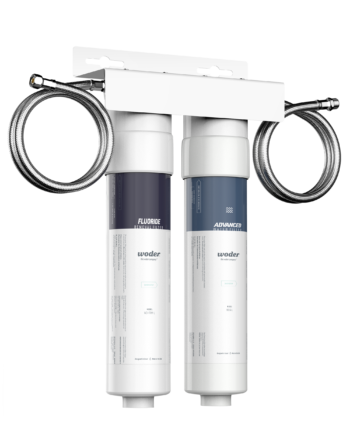
Still not sure which system fits your household? Our filter wizard asks a handful of quick questions about your plumbing, your appliances, and whatever's bothering you about your water, then points you toward the right model - under-sink, inline, or a dual-stage combination if you're on well water or dealing with elevated contaminant levels. The whole thing takes under a minute, and it's the quickest route from browsing to ordering the correct model the first time.
Frequently Asked Questions
What makes Advanced Selective Filtration different from carbon or RO?
Standard carbon cartridges reduce chlorine and improve taste but let a wider range of contaminants through, and they need frequent swapping. Reverse osmosis strips out nearly everything — contaminants and minerals alike — while wasting several gallons of water for every gallon produced. Advanced Selective Filtration targets contaminants selectively with a proprietary media blend, delivering 99.9% contaminant removal for substances including chlorine, lead, and VOCs while keeping calcium and magnesium in your glass.
Should I choose a Woder under sink water filter or an inline filter?
A Woder under sink water filter taps into your cold-water supply and sends filtered water out of your kitchen faucet for drinking and cooking. A Woder inline water filter uses quick-connect John Guest fittings for a refrigerator, ice maker, or RV faucet — no tools or drilling. Many households run both: under-sink at the tap and inline on the fridge line.
What contaminants does a Woder water filter remove?
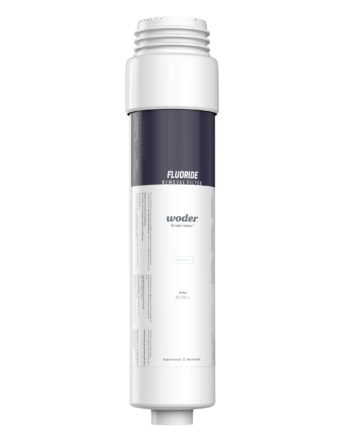
Woder systems using Advanced Selective Filtration are designed to target lead, heavy metals, chlorine, chromium 6, mercury, carcinogens, VOCs, PFAS, and other contaminants while leaving beneficial minerals in place.
Is Woder WQA certified and made in the USA?
Yes. Gen4 Advanced filtration media holds WQA Gold Seal certification for independently tested contaminant reduction, and every Woder filter is manufactured in the United States.
How do I find the right Woder system for my home?
Our filter wizard asks a few quick questions about your plumbing, appliances, and water concerns, then points you to the right under-sink, inline, or dual-stage model. It usually takes under a minute.
