Pre-Sedimentation
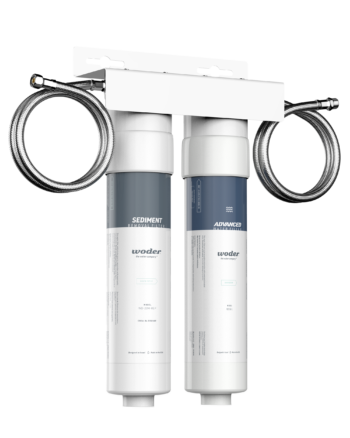
The Woder WD-D-20m-G4 is a dual-stage filtration system designed for homes with high sedimentation levels. The first stage is a 20-micron sediment pre-filter that protects the second stage, which removes lead, aluminum, heavy metals, chlorine, and a wide range of additional contaminants.
Showing all 2 results
Best Sellers
Water Quality Guides & Tips
Learn how to maintain your filter, improve tap water quality, and choose the right filtration system for your home.
Pre-Sedimentation
Under-Sink Sediment Pre-Filters
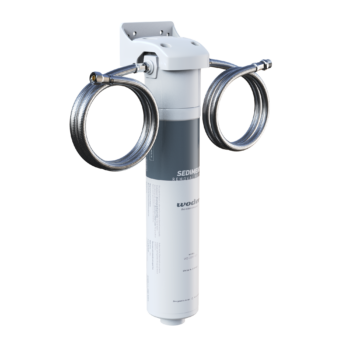
Contaminant-removal media does its best work when dirt, sand, and rust never reach it in the first place. That’s the job our under-sink sediment filter line handles: mechanical-only filtration that catches particulate before it reaches a Gen4 Advanced stage or your faucet. Installed beneath the sink and tied directly into your existing supply line, this stage sits ahead of everything else in the system, acting as a physical checkpoint rather than a chemical one. If your water comes from a well or runs through older plumbing, it’s usually the first filter we’d suggest adding, most often paired with a contaminant-removal filter rather than run alone.
Because an under sink sediment filter only deals with solid particles, it’s a natural complement to filters built for dissolved contaminants rather than a stand-in for them. Households that skip this stage and rely solely on a contaminant-removal filter often find that cartridge clogging faster than expected, especially where water carries any meaningful grit or rust. Adding a sediment stage ahead of it splits that workload across two cartridges instead of one, so each does the job it’s actually built for.
How It Works
This filter relies on 20-micron mechanical filtration – a physical barrier fine enough to catch dirt, sand, and rust particles, with no chemical or carbon media involved. That means it isn’t designed to reduce chlorine, lead, or other dissolved contaminants; its entire purpose is stopping particulate before it can clog or wear down whatever comes after it. Anything coarser than the 20-micron threshold – visible grit, sand grains, rust flakes from aging pipe – gets caught inside the sediment pre-filter cartridge before reaching your faucet or a downstream contaminant-removal stage. Since there’s no chemical or carbon component, this filter doesn’t touch the taste or smell of your water; it simply removes solid material suspended within it. Most under-sink systems built around this stage use direct-connect faucet installation, so the cartridge sits inline with your existing plumbing without extra fittings or a separate faucet.
When It’s Worth Adding
Sediment pre-filtration makes the most sense for households on well water, homes with older or corroding pipes, or anywhere you’ve noticed grit, cloudiness, or visible particulate at the tap. Well water in particular tends to carry more sediment than municipal supplies, since there’s no centralized treatment step removing dirt and silt before it reaches you. Older galvanized or corroding pipework adds to that load over time as the metal degrades from the inside. Adding this stage ahead of a contaminant-removal filter protects that pricier cartridge from premature clogging – a common frustration for well-water households running a standard filter without this extra layer. Even municipal-water households without an obvious sediment problem can benefit as a precaution, since particulate issues aren’t always visible until they’ve already started shortening the life of downstream equipment.
Pairing With Advanced Filtration
We recommend pairing this sediment pre-filter cartridge with a Gen4 Advanced stage if you also want contaminant reduction, since our dual-stage under-sink systems combine both in one connected unit built for direct-connect faucet installation. That setup keeps both stages running off a single supply line, so you get particulate removal and chemical-reduction filtration without needing two separate installs under the sink. Doing so extends downstream filter lifespan meaningfully, since the sediment stage absorbs the particulate load that would otherwise shorten a Gen4 cartridge’s usable life – fewer premature replacements and more predictable maintenance costs, since the sediment cartridge, typically the less expensive of the two, takes on the bulk of the wear.
Frequently Asked Questions
What does a sediment pre-filter remove?
It removes physical particulate like dirt, sand, and rust through mechanical filtration. It does not reduce chlorine, lead, or other dissolved contaminants, since there’s no chemical or carbon media inside the cartridge.
Do I need a sediment filter before an advanced filter?
It’s especially recommended for well water or older plumbing with visible particulate, since it protects a downstream Gen4 Advanced cartridge from clogging prematurely and helps extend its overall working life.
How often should the cartridge be replaced?
Replacement frequency depends on your water’s sediment load, but most households replace this cartridge every three to six months, or sooner if flow rate noticeably drops at the faucet.