Water Filtration for Coffee Shops
Consistent extraction and protected equipment, shot after shot, without stripping the minerals espresso needs.
Find your systemRecommended filters for Coffee Shops
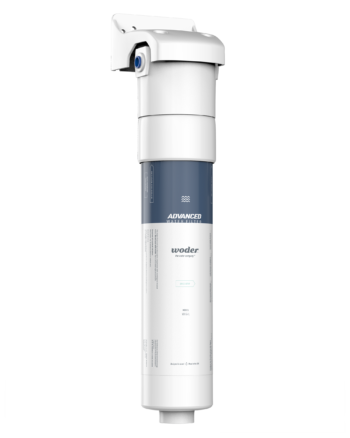
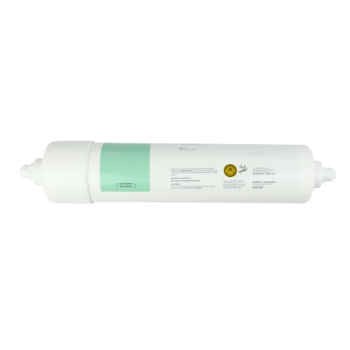
Espresso is about 98% water. That fraction matters. Chlorine and chloramines in unfiltered tap water degrade the volatile aromatics that carry a coffee’s flavor-you get a flatter, harsher cup regardless of how well the shot was pulled or how precisely the grinder was dialed in. Removing those compounds while keeping the dissolved calcium and magnesium that support proper extraction is what Woder’s Advanced Selective Filtration does. Not reverse osmosis, which strips everything including the minerals and then requires remineralization to get back to a useful brewing profile. Selective Filtration takes out what you want gone and leaves the rest.
The Consistency Argument
Chlorine levels in municipal water aren’t perfectly stable. They shift over the course of the day as the distribution system runs and treatment cycles. A filter at the espresso machine supply line removes that variable entirely-the water feeding the group head is the same at 7am and 3pm, which means a shot dialed in at opening stays dialed in through service. For batch brew and pour-over stations on the same filtered line, the same consistency applies across every pot.
Equipment
The reactive compounds that chlorine and its byproducts introduce into water aren’t just a flavor concern-they accelerate corrosion inside boilers and contribute to group head degradation over time. Removing them doesn’t eliminate the need for regular descaling (calcium and magnesium remain, and scale still forms), but it reduces one category of wear that affects machine longevity.
Capacity
A filter sized for household use burns through its cartridge quickly in a commercial setting. A busy espresso bar drawing water for 200 to 400 drinks a day, plus batch brew, staff drinks, and ice, puts significantly more volume through the filter than any residential reference point. A high-capacity model extends the replacement interval to something workable-roughly annual for a moderately busy shop, potentially shorter for a high-volume flagship location with multiple machines.
Cartridge swaps take about two minutes with no tools. The machine keeps running during the swap. A spare cartridge on the shelf means the replacement happens when flow drops rather than after a delivery wait.
Installation
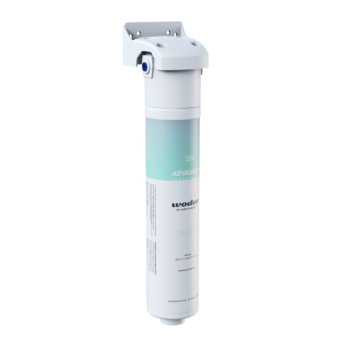
The filter inline-connects between the cold-water shutoff and the supply line feeding the espresso machine. One connection point, no drilling, no new plumbing runs. The housing mounts in the equipment cabinet or under the counter, out of the way. Gen4 Advanced media is WQA Gold Seal certified and manufactured in the United States.
Frequently Asked Questions
Does filtered water actually improve espresso flavor?
Consistently, yes. Chlorine and chloramine compounds interfere with the volatile aromatic compounds released during extraction. Removing them produces a cleaner cup that more accurately reflects the coffee's flavor profile. Most baristas notice the difference within the first few shots after installation and often need to re-dial the grind because the extraction dynamic changes with the cleaner water.
Will the filter stop scale from building up in the machine?
No. Gen4 Advanced removes chlorine and reactive compounds but retains the dissolved minerals-calcium and magnesium-that are the primary cause of limescale. Regular descaling remains necessary. The filter and the descaling program address different things; both stay relevant in a commercial espresso environment.
What capacity does a busy coffee shop need?
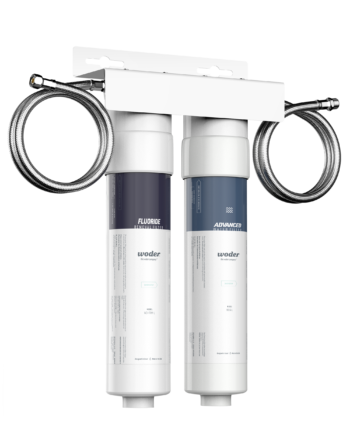
A high-capacity single-cartridge unit works for most shops. For a very high-volume location running multiple machines across a full service day plus side bar and batch brew demand, staging a second unit or a higher-output commercial model gives more headroom between replacement intervals. If you're swapping cartridges every two to three months, that's the signal to move up in capacity.


