Water Filters for Schools
Certified lead, chlorine, and PFAS reduction for cafeterias, bottle-fill stations, and staff areas.
Find your systemRecommended filters for Schools
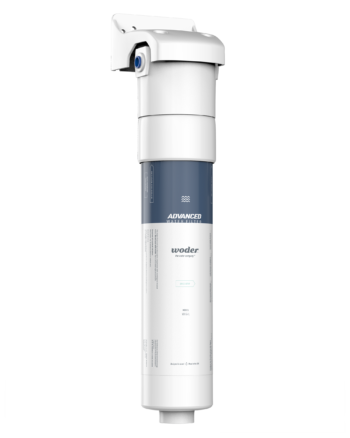
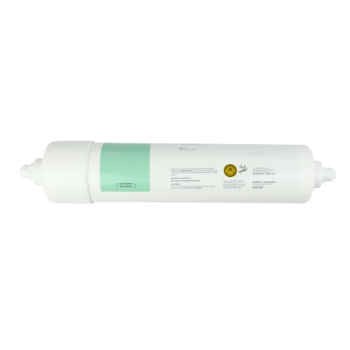
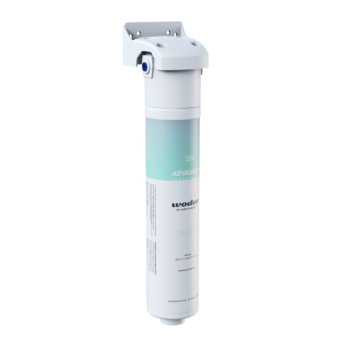
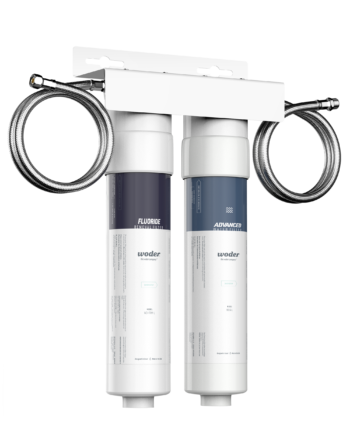
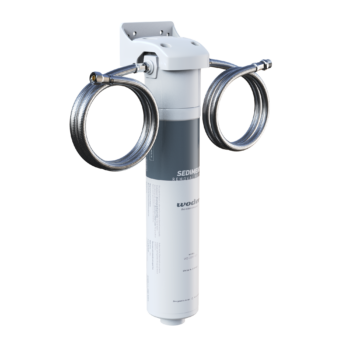
School filtration needs to satisfy three things at once: performance that meets the documented concerns parents and districts raise about drinking water, installation that the existing facilities team can handle without outside contractors, and maintenance that doesn’t require a service call every quarter. Woder’s systems are WQA Gold Seal certified for lead, chlorine, PFAS, heavy metals, and VOC reduction, install with a wrench and no drilling, and swap cartridges in about two minutes with no tools. Those three things together make them workable at the institutional scale of a school building. For facilities teams, a water filter for school use also needs to be straightforward to standardize across cafeterias, bottle-fill stations, and staff areas.
Installation Points
The cafeteria prep sink is the highest-priority location in most school buildings-it’s where cooking water goes, and where any lead or chlorine concern is most directly relevant to student health. The install process is the same as a residential kitchen: cold-water shutoff valve under the sink, inline connection, filter housing in the cabinet below. The faucet above continues to work exactly as before.
Bottle-fill stations-the wall-mounted units that replaced traditional drinking fountains in most newer school buildings-accept an inline connection at the supply line feeding the unit. The filter sits between the building supply and the fill point without any modification to the station itself. Faculty break rooms follow the same under-sink residential install.
Maintenance
Facilities staff can replace a Woder cartridge in about two minutes: the housing threads open without tools, the old cartridge comes out, the new one goes in, and the housing threads back closed. No water line shutdown, no service call. For a school with five or six filter locations, standardizing every unit on the same cartridge model means anyone who knows the procedure for one location can do any of them. One reorder each year covers the building.
Replacement is triggered by flow rate drop at the tap, not a specific calendar date. A cafeteria kitchen under daily load may hit the cartridge limit at 10 months; a low-use administrative break room might go 18. Checking flow annually at the start of the school year catches most issues early.
Certification for District Procurement
WQA Gold Seal certification means independent third-party testing against NSF/ANSI standards-not a product description, a verified test result. For district procurement documentation, regulatory compliance questions, or parent inquiries about what the school is doing about lead or PFAS in drinking water, that certification is a documentable answer. Systems are manufactured in the United States.
Frequently Asked Questions
What does a school water filter actually remove?
Gen4 Advanced media carries WQA Gold Seal certification for lead, chlorine, PFAS, heavy metals, and VOC reduction, while retaining naturally occurring minerals. The full list of certified contaminants and their reduction rates is in the WQA certification documentation for the specific media.
Can facilities staff replace cartridges without a plumber?
Yes. The process is: thread the housing open, remove the old cartridge, insert the replacement, thread the housing closed. No tools, no water line shutdown, no specialized knowledge beyond having seen it done once. About two minutes per unit.
Does the certification apply in a school kitchen specifically?
WQA Gold Seal certification applies to the filtration media and the contaminants it reduces, regardless of installation setting. For district procurement that references specific NSF/ANSI standards (42 or 53), verify the Gen4 certification scope against those requirements before purchase.


