Water Filter Systems for Restaurants
Cleaner coffee, clearer ice, and mineral-rich water your kitchen can trust — without RO waste.
Find your systemRecommended filters for restaurants
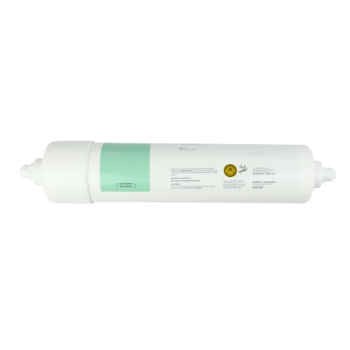
Water is an ingredient. It goes into every pot of pasta, every cup of coffee, every cocktail with ice, and every glass set in front of a guest at the start of the meal. A water filter for restaurant use isn’t just a health and safety measure, it’s a flavor variable that affects everything you serve. Chlorine in unfiltered tap flattens the aromatics in espresso, dulls the perceived sweetness in tea, and introduces an off-note in ice that guests notice even if they can’t name it. That combination of kitchen prep water quality and front-of-house drinking water is exactly what a water filter system for restaurant operations is built to address.
Woder’s Gen4 Advanced Selective Filtration media reduces chlorine, lead, PFAS, heavy metals, VOCs, and other common municipal contaminants while retaining the naturally occurring minerals that support consistent taste for beverages and food prep. The WQA Gold Seal certified performance claims are backed by independent laboratory testing, and every system is manufactured in the United States.
Kitchen vs. Front-of-House Setup
A restaurant typically has two distinct needs: treated supply for food and beverage preparation in the kitchen, and clean-tasting output and ice for guests at the front of house. In the kitchen, a treated line at the prep sink is the highest-leverage installation. A direct-connect under-sink system at the prep sink connects to the cold-water shutoff valve in 15 minutes and requires no modification to the sink or the surrounding plumbing. For most food-service setups, this makes it a practical water filter for restaurant kitchen use without adding a complicated plumbing project.
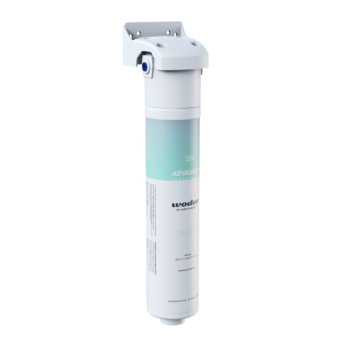
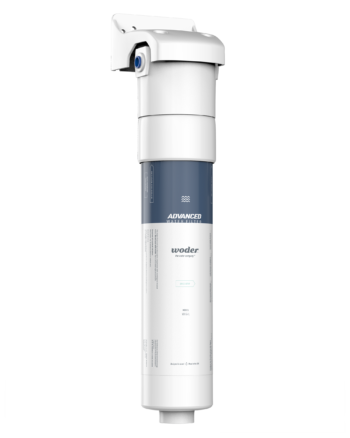
The drinking water filter system for restaurant service doesn’t need to be a large or complex installation. Woder’s systems are compact, self-contained, and don’t require dedicated plumbing runs or a separate housing unit. The media lives inside a single cartridge that mounts under the sink, covering both the prep station and a dedicated front-of-house tap from the same basic setup.
Handling Higher Volume
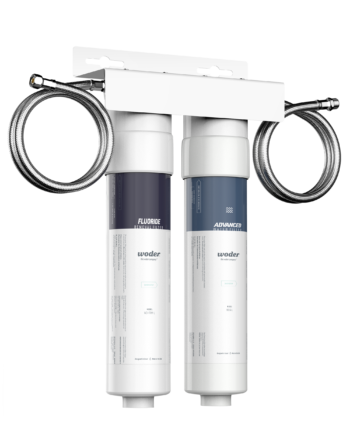
A restaurant drawing supply through the same system for prep, beverages, and ice is putting substantially more volume through it than a household ever would. A commercial water filter for restaurant use needs high-volume filtration capacity to match that throughput, either a higher-capacity cartridge model or multiple units staged across the kitchen. Cartridge changes on Woder systems take about two minutes and require no tools, no shutting down the kitchen, no extended downtime while a replacement is sourced or fitted.
Certification and Consistency
Selective Filtration targets contaminants, chlorine, lead, PFAS, heavy metals, VOCs, while retaining the naturally occurring minerals that keep flavor consistent across every shift. A reverse osmosis system strips everything, including those minerals, and requires remineralization to get back to a usable profile for beverage use. Woder’s approach avoids that extra step entirely, and the WQA Gold Seal certification means those results are independently verified rather than taken on faith.
Frequently Asked Questions
What size water filter system does a restaurant kitchen need?
For most restaurant kitchens, a high-capacity single-cartridge model is the right starting point for a prep sink or dedicated kitchen station. Higher-volume operations may benefit from multiple units staged across different draw points rather than routing everything through a single system.
Will a filtered water system change the taste of coffee or ice?
Yes, in most cases noticeably and for the better. Chlorine and chloramines, the most common disinfectants in municipal supply, have a taste and odor that carries through into brewed coffee, tea, and ice. Removing those compounds while retaining minerals results in a cleaner extraction in coffee and a more neutral ice that doesn't introduce an off-note into cocktails or beverage service.
How often does a commercial-use cartridge need replacing?
In a busy restaurant kitchen, a high-capacity cartridge should be expected to last six to twelve months depending on daily draw volume. The practical indicator for replacement is reduced flow rate at the tap rather than a calendar date. Keeping a spare cartridge on the shelf means replacement can happen immediately rather than waiting for a reorder.


