Water Filters for RVs
Consistent, better-tasting water from campground to campground, with a quick-connect setup that travels with you.
Find your systemRecommended filters for RVs
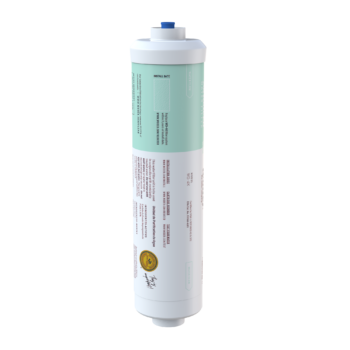
Campground infrastructure varies considerably. Some sites have newer connections and strong pressure. Others rely on older fixtures, private wells, or supply lines that have been in service for many years.
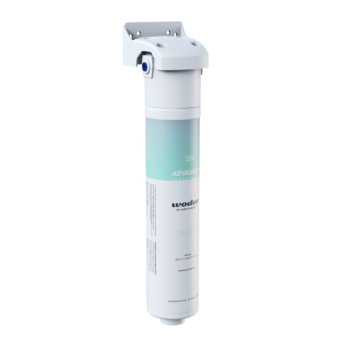
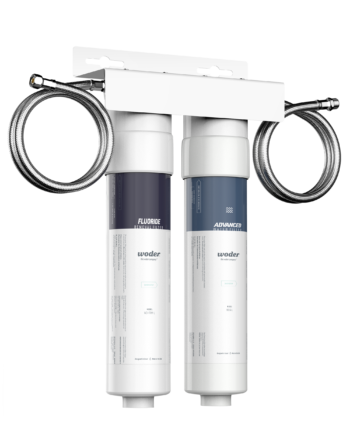
Installing a water filter for rv hookup use creates a consistent filtration point even when the source changes. The incoming supply passes through the filtration media before continuing toward the vehicle, helping reduce targeted contaminants according to the applicable Woder model and media specifications.
An in line water filter for rv owners also makes routine checks easier. Because the unit remains accessible near the connection, you can inspect fittings, monitor flow, and disconnect the system without opening cabinets inside the vehicle.
Before your first trip, check the connection type used by your RV and the filter model you plan to install. Confirming fitting sizes before departure can save an unnecessary hardware-store stop halfway through your journey.
Campers, Trailers and Changing Sources
Travel often takes RV owners beyond large municipal networks. A campground in one state can have noticeably different tap quality from another only a few hours away.
That makes a water filter for rv camper use particularly helpful for travelers who regularly change sources. Rather than adjusting to a different taste at every stop, you maintain the same filtration stage throughout the trip.
Hardness needs a little more explanation. An rv water filter for hard water does not function as a conventional softener. Hardness is primarily caused by dissolved minerals such as calcium and magnesium. Woder’s Selective Filtration approach is designed to retain naturally occurring minerals while reducing targeted contaminants. If hardness itself is your main concern, a separate softening solution may be required.
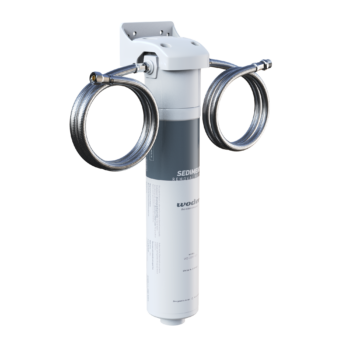
Sediment is different. Older campground infrastructure and some well sources can introduce visible particles, rust, or grit. In these situations, adding a sediment pre-filter before the main filtration stage may help protect the cartridge and the RV’s plumbing.
The same general setup can work as a water filter for rv trailer owners who connect to different freshwater sources while traveling.
Easy Setup and Storage Between Trips
Travel equipment should be simple to pack away. After disconnecting the unit, drain it according to the product instructions and store it somewhere protected from freezing temperatures.
Do not allow liquid trapped inside the housing to freeze. Expansion can damage filtration components or fittings.
Before the next trip, inspect the connections and cartridge, reconnect the system, and check the flow. A simple setup means less time dealing with campground plumbing and more time enjoying the trip.
Frequently Asked Questions
Does an inline filter fit a standard RV connection?
Compatibility depends on the specific Woder model and your RV setup. Check your existing hose and fitting sizes before ordering so you know which configuration or adapter is required.
Do I need a separate sediment filter?
Not necessarily. If the source contains visible particles or comes through older infrastructure, a sediment pre-filter can be useful. Mineral hardness is a separate issue and may require a dedicated softening solution.
Can I leave the filter connected during storage?
For long-term storage, follow the instructions provided with your Woder model. Drain the unit and protect it from freezing, particularly when storing your RV during winter.
How often should the cartridge be replaced?
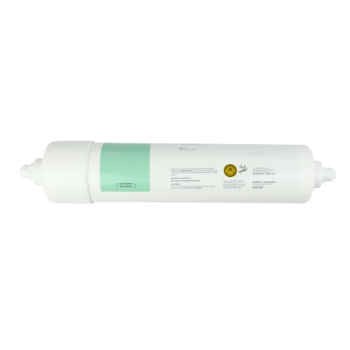
Replacement intervals depend on the cartridge, source quality, and total volume filtered. Reduced flow or a noticeable return of unwanted taste or odor can indicate that replacement is approaching.


