Texas
Water Filtration Systems for Texas Homes
One certified system for DFW chlorine, Houston lead risk, or a Texas well, matched to what your Consumer Confidence Report shows.
Shop under-sink filtersTexas doesn’t run on one water source, and it doesn’t have one filtration answer. The Dallas-Fort Worth metro pulls from surface reservoirs and leans heavily on chlorine and chloramines to keep the supply safe through distribution. Over in San Antonio, the Edwards Aquifer feeds the system – naturally cleaner, but by the time treatment chemistry works its way through the pipes, the tap tells a different story. Houston carries a different burden: certain older neighborhoods have aging pipe networks with documented lead exposure risk. Out west, private wells deal with hard ground and sometimes elevated nitrates from decades of agricultural land use nearby. The water filtration system Texas residents actually need starts with understanding what their specific supply contains, because the state doesn’t have a single answer.
Across most municipal systems, two problems show up regardless of city: chlorine disinfection byproducts that accumulate through distribution, and lead risk in any home built before 1986 when lead solder and lead-containing pipe fittings were still permitted under building codes. Woder’s Gen4 Advanced media handles both in the same cartridge, along with PFAS, heavy metals, and VOCs, while leaving naturally occurring dissolved minerals where they are.
Read Your Local Water Report First
Texas public water utilities publish a Consumer Confidence Report every year. That document is the right starting point before selecting a texas water filtration system – it shows exactly what’s been tested in your supply and at what measured concentrations. Running it against the Gen4 certification scope tells you precisely which of your documented contaminants the filter addresses. Decisions made that way hold up better than ones built on assumptions about what Texas water generally contains. Private well owners don’t get a CCR – for them, a certified lab test is what fills that gap.
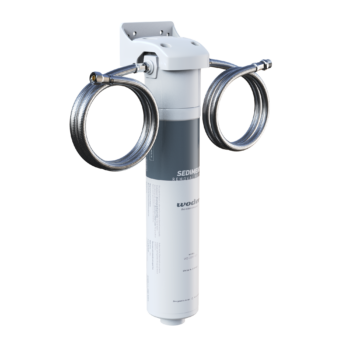
Well chemistry across rural Texas shifts quite a bit depending on where you are and what surrounds the land. Iron and manganese from local soil, nitrates that migrate from fertilizer application, elevated total dissolved solids from the geology – the combination varies by county. When output comes out of the tap with a visible color or a noticeable odor, that’s a signal that a sediment pre-filter belongs in front of the Gen4 cartridge. It intercepts particulate before it reaches the primary filtration stage, which keeps the main cartridge working at full capacity longer.
Installation and Certification
Every Texas home kitchen already has the connection point the filter needs: the cold-water shutoff valve under the sink. Shut it off, thread the inline fitting onto the valve body, open it back up. No licensed plumber, no drilling into anything, no permit required for a standard residential kitchen setup. WQA Gold Seal certification is what backs up the performance claims on Gen4 – not the manufacturer’s own description of what the media does, but a result from an independent accredited laboratory testing against NSF/ANSI standards. Systems come out of US manufacturing facilities.
Choosing the Right Model
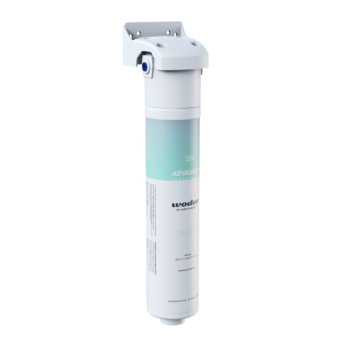
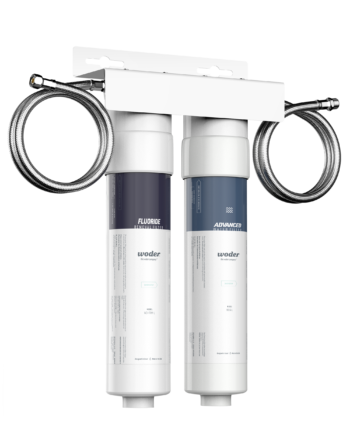
Standard municipal supply with routine chlorine and taste concerns? A single-cartridge Gen4 Advanced unit at the kitchen faucet runs about a year before the cartridge needs swapping, based on typical household draw. Households pulling more volume through the tap daily – larger families, people who cook heavily – get more life out of a high-capacity model because the cartridge isn’t working as hard relative to its rated capacity. Well water situations with visible particulate are a different setup: a dual-stage unit with sediment pre-filtration ahead of the Gen4 media handles both concerns from one housing under the sink. The under-sink and inline product pages at woder.com lay out the full lineup with cartridge ratings and capacity details.
Frequently Asked Questions
What does a Woder water filtration system remove from Texas tap water?
Chlorine, lead, PFAS, heavy metals - arsenic and mercury included - and VOCs, all covered under WQA Gold Seal certification with documented reduction rates. Naturally occurring dissolved minerals stay in the output. Pull your Consumer Confidence Report or well lab results and compare them against the Gen4 certification documentation to get a precise picture for your specific supply.
Do I need a plumber to install it?
No. The connection goes onto the existing cold-water shutoff under the kitchen sink - off, connector on, back on. One wrench, around 15 minutes from start to finish. No new lines run, no holes drilled, no permits pulled for a residential under-sink installation anywhere in Texas.
Is a point-of-use system enough, or do I need whole-house filtration?
For drinking and cooking quality - what most Texas filtration searches are actually about - a filter at the kitchen faucet handles it without treating every gallon that enters the house. Whole-house treatment makes sense when the problem lives in more than just the glass: iron staining showing up on laundry, sulfur odor coming through every fixture, or well contamination that affects the entire supply. Standard city supply with typical chlorine and lead concerns doesn't require whole-home intervention to fix a kitchen-tap issue.


