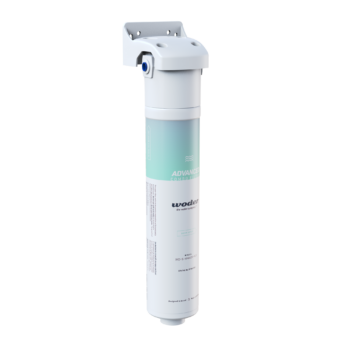
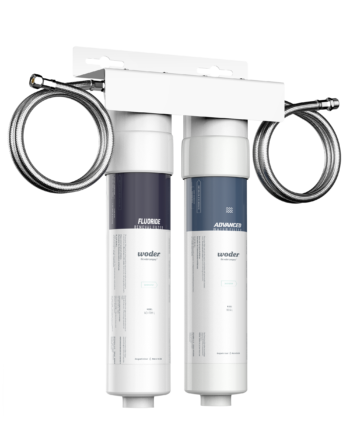
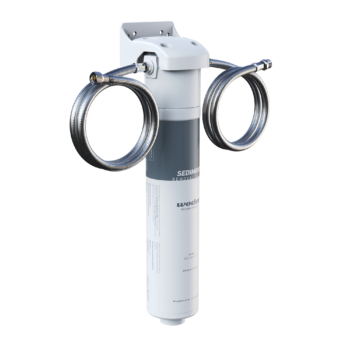
For most Denver homes, a point-of-use system at the kitchen sink is the simplest way to get better-tasting drinking water. It reduces chloramine, lead from older pipes, and PFAS, installs without a plumber, and costs far less than a whole-home unit. Browse our under-sink water filter systems to compare models.
Looking for a water filter that Denver families can install in a single afternoon? You’re in the right place. Most homes in the metro area get their water from mountain snowmelt that’s treated before it ever reaches your kitchen. That’s a good start, yet plenty of people still notice a pool-like smell, a flat taste in their coffee, or worry about older pipes in their neighborhood.
At Woder, we build compact systems that sit right under the sink and clean what you actually drink and cook with. Our Advanced Selective Filtration reduces lead, chlorine, PFAS, and other unwanted compounds while keeping the calcium and magnesium your body can use. You get crisp, great-tasting results straight from the faucet, without hauling bottles home from the store.
A good Denver water filter doesn’t have to be bulky or pricey. Ours are made in the USA, and the base Gen4 Advanced media carries WQA Gold Seal certification. Read on for what’s actually in local tap water, how an under-sink unit stacks up against a whole-home setup, and how long installation takes (usually less than an hour).
Denver Water Quality at a Glance
The Denver Water municipal water supply comes mainly from the South Platte and Blue River watersheds. Snowmelt is naturally low in minerals, and the utility treats it carefully and publishes a yearly quality report. In most cases, what comes out of the tap meets every federal standard.
So why do so many residents still look into Denver water filtration? A few reasons come up again and again:
- Taste and smell: the utility uses chloramine as a disinfectant. It keeps pipes safe, but many people dislike the chlorine and chloramine taste it leaves behind.
- Old plumbing: some neighborhoods still have aging lead service lines. The city runs a replacement program, yet it takes years to reach every street, and lead can also come from older fixtures inside the house.
- Peace of mind: treatment happens at the plant. Anything picked up on the way to your home isn’t covered by that process.
For Denver homeowners, choosing a water filtration system is less about changing the water source and more about improving the water at the tap. A filter right at the faucet handles what the pipes add along the route. If you’re curious about your own numbers, the EPA recommends checking your local Consumer Confidence Report first. Our guide on whether tap water is safe to drink explains how to read it.
Whole-House vs Point-of-Use Filtration in Denver
When people start researching, a whole-house water filter recommended by Denver contractors is often the first thing they find. These units connect where the main line enters the building and treat everything, including showers, laundry, and toilets. They work well, but they cost more, need a plumber, and require bigger media tanks that take up space in a garage or basement.
In our experience, the point-of-use vs whole-house choice usually comes down to a few things:
- Whole-house units: protect appliances and bathing, but their media is built for high flow, so contact time with each gallon is short.
- Under-sink and inline units: focus on the one tap you drink from. Slower flow means longer contact time and finer cleaning for drinking and cooking.
- Cost: a full home setup often runs into the thousands once installation is added. A Woder unit costs a fraction of that.
For many homes, whole home water filtration Denver companies sell is more than they need. If your main goals are taste and lead reduction, a point-of-use system covers the glass in your hand. For a broader comparison, read our whole house water filter buyer’s guide. Some families pair both: a basic sediment unit at the main line and a Woder system at the kitchen sink. If you’d like a deeper comparison, our under-sink category page lays out how different Denver water filtration systems stack up on price, capacity, and upkeep.
Installation in Denver: DIY in Under an Hour
Many search results for water filter installation in Denver lead to service companies that book a visit days out. With Woder, you don’t need to wait. Our Direct Connect units attach to the cold supply line under the sink with no drilling, and our John Guest quick-connect fittings simply push into place.
A typical DIY under-sink installation looks like this:
- Shut off the cold valve under the sink.
- Connect the inlet and outlet hoses.
- Mount the housing to the cabinet wall if you want.
- Turn the valve back on, check for drips, and flush the cartridge.
Most people finish in 30 to 45 minutes with a basic wrench. Even if a contractor already quoted you for a whole-house water filter installation in Denver, you can skip that bill when your goal is clean drinking water at one tap. Our step-by-step guides for Direct Connect, JG quick-connect, and inline setups cover every connection type, with photos.
Choosing Your System
We keep our lineup simple so it’s easy to pick. Most water filtration systems Denver homeowners buy from us fall into two groups:
- Under-sink Direct Connect: best for the kitchen faucet. Choose a single-stage Gen4 Advanced unit, or add a stage for heavy metals, fluoride, or sediment.
- Inline quick-connect: best for refrigerators, ice makers, and RVs that use a 1/4-inch line. See our inline water filters.
Every Woder cartridge uses the same WQA Gold Seal certified base media, and we make our systems in the USA. Not sure which water filtration system Denver kitchens need most? Our Filter Wizard asks a few quick questions and points you to the right model. When it’s time for a new cartridge, you can reorder from our replacement page in a couple of clicks.
One habit we recommend: write the install date on the cartridge with a marker. It’s the easiest way to remember when a swap is due. And if you ever move across town, the whole unit comes off in minutes and goes with you, which renters in Capitol Hill and LoDo especially appreciate.
Frequently Asked Questions
Do I need a filter if Denver tap water already meets EPA standards?
Meeting federal standards means the water is safe at the plant. A filter at your faucet deals with what happens after that, such as lead from older pipes, plus the chloramine taste many people notice. It's a simple upgrade for taste and peace of mind.
Is a whole-house filter or an under-sink filter better for a Denver home?
It depends on your goal. A whole-house unit treats every tap and costs much more to install. An under-sink unit treats water at the drinking-water faucet, allows longer contact time with the filter media, and is easy to install yourself. Many Denver homes start with under-sink and add more later if needed.
Can I install a Woder filter myself, or do I need a plumber in Denver?
You can do it yourself. Our Direct Connect and quick-connect systems need no drilling and only basic tools. Most customers finish in under an hour by following our installation guides. If you'd rather hire help, any local handyman can handle it quickly.
How often should Denver homeowners replace their filter cartridges?
Most households replace a cartridge every six to twelve months, depending on usage and the model. Higher use, like a big family that cooks a lot, means sooner. We list the rated capacity on each product page, and you can reorder cartridges anytime from our replacement page.


