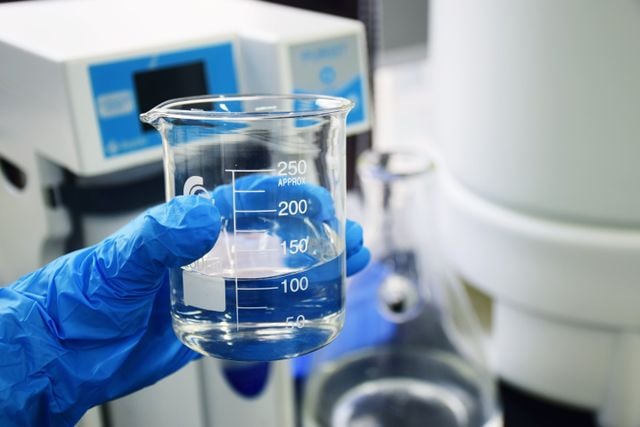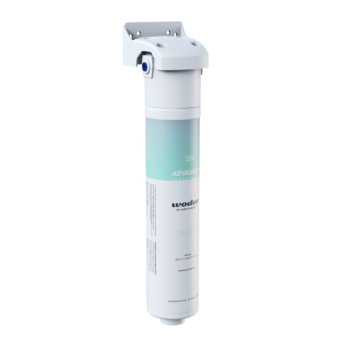
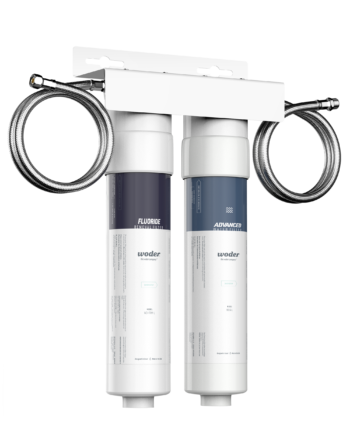
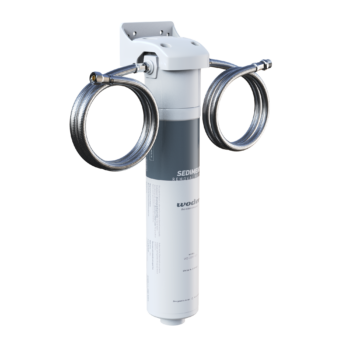
The right whole-home system is the one that matches your test results. Carbon handles chlorine, catalytic carbon handles chloramine, sediment cartridges catch grit, and wells usually need several stages. Expect roughly $1,000 to $4,000 installed. For drinking and cooking, lots of homes also add a certified unit at the kitchen sink, like our under-sink water filter systems.
Key takeaways:
- Test before you buy anything.
- Size the system for peak demand, usually 6 to 12 gallons per minute.
- Look for independent certification for the contaminants you actually have.
- A whole-home unit doesn’t replace a drinking filter at the kitchen tap.
Shopping for one of these feels a bit like buying a car. Every brand claims to be the best, the specs are confusing, and the salesperson always has a bigger model in mind. The truth is less exciting. A system that’s perfect for a condo in Phoenix can be totally wrong for a farmhouse on a private well, so the job is matching equipment to your home, your tap and your budget.
We’ll go through how these setups work, the main types, real-world costs, and how to compare models when every box makes big claims. Full disclosure: Woder makes point-of-use systems for the kitchen sink and inline lines, not whole-home units. We’re not trying to sell you a tank. If you’re new to all this, our guide to the types of water filters is a good warm-up.
What These Systems Actually Do
A whole house water filter system connects where the main line enters your home, usually in the garage, basement or a utility closet. Everything downstream gets treated: showers, laundry, the dishwasher, toilets and every faucet.
That approach is called point-of-entry filtration. It’s the opposite of point-of-use filtration, which treats one tap, like the kitchen sink or the fridge line.
Why would anyone want a water filter for the whole house? Usually for one of four reasons. Some people find that chlorine in the shower dries out their skin and hair. Others fight sand, rust and grit that clog aerators and wear out appliances. Well owners often deal with sulfur or musty smells. And plenty of folks just want the water heater and washing machine to last longer.
If your main concern is what you drink, though, a whole-home unit may be overkill. More on that later.
The Main Media Types
Not every system does the same job. Each whole house water filtration filter is built around one kind of media, and knowing them saves you money.
Sediment
These catch sand, silt and rust flakes. They’re rated in microns, and smaller numbers catch finer particles. A sediment stage usually comes first in any multi-stage setup because it protects everything after it.
Activated carbon
Carbon is the go-to for city supply. It cuts chlorine, many volatile organic compounds, and bad tastes or smells. Large carbon tanks can run for years, while cartridge units need changes every few months.
Catalytic carbon
A tweaked version of carbon that deals with chloramine better than the standard kind. Since a lot of US cities now use chloramine, this one matters more than it did ten years ago.
KDF
KDF is a copper-zinc blend that helps with chlorine, some heavy metals, and bacterial growth inside the housing. It’s often paired with carbon.
Softener combos
A softener isn’t really a filter. It swaps hardness minerals for sodium or potassium. Some brands bundle softener resin and carbon in one tank, which is handy if your supply is both hard and chlorinated.
Well systems
Private wells often need a custom lineup: sediment, iron and manganese removal, maybe a softener, plus UV for bacteria. These are the most complex and pricey setups. Our well water filtration guide walks through each stage.
Softener or Filter?
This mix-up wastes a lot of money, so let’s clear it up. The water softener vs filter question is simple once you see what each one does.
A softener uses ion exchange resin to trade calcium and magnesium for sodium or potassium. That stops scale on fixtures, inside kettles and in your heater. It does almost nothing for chlorine, lead, PFAS or taste.
A filter captures or reduces contaminants. Depending on the media, that means chlorine, sediment, organic chemicals or metals. Most leave hardness minerals alone.
White spots all over the shower glass? That’s hardness, and a softener fixes it. A pool smell from the tap, or a contaminant flagged in your utility report? You need filtration. Homes with very hard supply and a taste problem often end up with both, sometimes in one combo tank.
One more thing worth knowing. Softened supply adds sodium, so it isn’t ideal for drinking for everyone. Many people with softeners keep one unsoftened line to the kitchen and put a point-of-use unit there, such as our Gen4 Advanced under-sink filters.
A Simple Way to Choose
Picking the best whole house water filter system for your place starts with data, not product pages. We’d suggest this order.
First, test. City residents can read the annual Consumer Confidence Report. Well owners should get a certified lab test. You can’t choose media until you know what’s in there.
Second, write down your goals. Taste? Chlorine in the shower? Scale? A specific problem like iron or lead?
Third, check the flow rate (GPM). A typical home needs somewhere around 6 to 12 gallons per minute when several fixtures run at once. Undersize it and everybody notices the pressure drop.
Fourth, look at filter capacity in gallons. Bigger capacity means fewer changes. Divide the price of replacement media by its capacity and you get a rough cost per gallon.
Fifth, confirm NSF/ANSI certification or WQA Gold Seal testing for the specific contaminants you care about. Claims without third-party testing are just claims.
Last, plan for upkeep. Ask how often the media needs replacing and what that costs per year.
Stuck between two models and can’t name the best water filter for whole house use? Go with the one whose certifications match your test results. That beats any star rating.
Reading Reviews Without Getting Fooled
Online reviews help, but they rarely tell the full story. A top rated whole house water filter on one site might have thousands of reviews from people whose tap water is nothing like yours.
When you scan a list of the best rated whole house water filter picks, look for a few signs of an honest recommendation. Does the reviewer say which contaminants each system was tested for? Are certification standards listed by number? Do flow and capacity figures come from the manufacturer’s spec sheet? Are yearly costs part of the comparison, not just the sticker? And does the article admit where a product falls short?
Be careful with rankings that don’t explain how they tested. A product that removes 99 percent of chlorine may do nothing about lead or PFAS.
What It Costs
So what’s the real whole house water filter cost? It depends on the system and your plumbing. Based on common industry estimates, here’s what most homeowners see:
| Cost item | Typical range |
| Basic cartridge system (sediment or carbon) | $100 to $600 |
| Large carbon or catalytic carbon tank | $800 to $3,000 |
| Multi-stage well system | $1,500 to $5,000 or more |
| Professional installation | $300 to $1,500 |
| Yearly media or cartridge replacement | $50 to $500 |
Installation climbs if the plumber has to add a bypass valve, reroute pipes or run a drain for backwashing. Ask for a written quote that covers parts, labor and the first year of maintenance.
How Long They Last
A good tank system can run 10 years or more if you keep up with it. The tank, valve and plumbing are built to last. The media inside is what wears out.
Roughly, plan on new sediment cartridges every 2 to 6 months, carbon cartridges every 3 to 6 months, and carbon tank media every 3 to 5 years on city supply. Softener resin often lasts 10 years, though you’ll top up salt regularly. UV lamps get replaced once a year, even if the light still turns on.
Watch for the signs: a pressure drop, the chlorine smell coming back, or a change in taste. Plenty of newer systems have a meter or an app alert, which takes the guessing out of it.
While you’re comparing, read the warranty, too. Tanks and control valves often carry long coverage, sometimes ten years, but the media and cartridges usually aren’t included. Find out who handles service in your area and whether replacement parts are standard sizes. A brand that only sells proprietary cartridges through its own website can leave you stuck if it changes the design or goes out of business.
DIY or Hire a Pro?
Small cartridge housings can be a weekend project if you’re comfortable cutting into the main and adding a bypass. Big tanks are another story. They’re heavy, they often need a drain line, and a mistake at the main can flood a basement.
For tank systems, most people are better off with a licensed plumber. Ask if the quote includes a bypass valve, pressure gauges before and after the unit, and a sediment pre-filter. Those small extras make maintenance easier and help the main media last.
Mistakes We Hear About All the Time
Buying before testing tops the list. A carbon tank won’t fix iron, and a softener won’t touch chlorine. Close behind is ignoring flow rate, which means weak showers the moment the dishwasher kicks on. Skipping the pre-filter lets expensive media clog early. Forgetting yearly costs is sneaky too: a cheap unit with pricey cartridges can cost more over five years than a premium tank. And vague claims like “removes 99 percent of contaminants” mean little without a list and a standard number.
Do You Still Need a Drinking Filter?
Here’s the part many buyers miss. Whole-home systems are built for high flow. Supply rushes through the media, so contact time with each gallon is short. That’s fine for showers and laundry. For drinking, it often isn’t the best setup.
That’s why so many homes pair a whole-home unit with a point-of-use filter in the kitchen. Search “water filter whole house” and you’ll find that advice over and over.
This is where Woder fits. Our under-sink and inline systems use Selective Filtration technology to reduce lead, chlorine, PFAS and other contaminants while keeping calcium and magnesium. The base Gen4 Advanced media carries the WQA Gold Seal, and we make our systems in the USA.
For plenty of households, a point-of-use system is enough by itself. If your city supply is safe and you mostly care about taste and lead at the faucet, you may not need to spend thousands on a water filter system for whole house coverage. Already have a whole-home unit? A kitchen filter adds a second layer exactly where it counts.
Side-by-Side
| Whole-home system | Under-sink system | Pitcher | |
| What it treats | Every tap | One faucet | One container at a time |
| Upfront cost | High | Moderate | Low |
| Installation | Usually a plumber | DIY in under an hour | None |
| Contact time | Short | Longer | Long but slow |
| Maintenance | Media or cartridges | Cartridge swap | Frequent cartridge swaps |
| Best for | Showers, appliances, wells | Drinking and cooking | Small households, renters |
Every whole house water filter has its place, but it isn’t the only answer. Test first, match the media to the results, and think about where you actually need cleaner supply. Sometimes that’s every pipe in the house. Often it’s just the glass in your hand.
Frequently Asked Questions
How much does a whole-home system cost to buy and install?
Simple cartridge setups can start around $100, while large tank systems often run $800 to $3,000. Professional installation usually adds $300 to $1,500. Multi-stage well systems can top $5,000 once installation and testing are included, so get a written quote first.
H3: Is a whole-home system worth it?
It’s worth it when you have a clear reason, like heavy sediment, strong chlorine in the shower, or a well with known problems. If you mainly want a better glass to drink, an under-sink filter usually costs much less and gives more contact time with the media.
Does a whole-home system remove lead and PFAS?
Some do, many don’t. Standard carbon tanks are mostly built for chlorine and taste. For lead or PFAS, look for a system certified to the specific NSF/ANSI standard for those contaminants. Lots of homeowners handle lead and PFAS with a point-of-use filter instead.
Do I need a drinking filter if I already have a whole-home system?
Not always, but many homes add one. Whole-home media is built for high flow, so contact time is short. A kitchen filter adds a focused second stage for what you drink and cook with, especially for lead that comes from fixtures inside the house.
How often do whole-home cartridges need replacing?
Cartridge-style systems usually need new cartridges every three to six months. Large carbon tanks can go several years before the media needs replacing. Your real timeline depends on household size, daily use, and how much sediment or chlorine is in your supply.