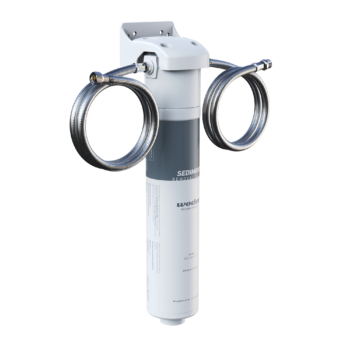
In most of the US, yes. Public systems are tested regularly and usually meet EPA standards. The real risks come from lead in older pipes, PFAS, private wells, and boil notices after main breaks. A certified filter at the kitchen tap, like our lead removal under-sink filters, adds protection where it counts.
Key takeaways:
- Most US public systems meet federal health standards.
- Lead usually comes from home plumbing, not the source.
- Boiling kills germs but doesn’t remove lead, nitrates or PFAS.
- Your utility’s annual report is the best free place to start.
For most people in the United States, the short answer is yes. The country runs one of the most closely watched public supply networks in the world, and the vast majority of systems meet federal health standards nearly all the time.
“Most” isn’t “all,” though. Whether it’s fine to fill a glass at your sink depends on where you live, how old your house is, and whether your supply comes from a city system or a private well. Problems can also start after the treatment plant, inside the pipes between the main and your faucet.
Below we look at how US drinking water is regulated, which contaminants still turn up, how to check your own tap, and when a home filter is worth it. We’ll stick to what the EPA and CDC actually say, minus the scare tactics.
Who Keeps Watch
Public supply in the US falls under the Safe Drinking Water Act, passed in 1974 and updated several times since. Under it, the EPA sets legal limits for more than 90 contaminants, including bacteria, nitrates, arsenic, lead and disinfection chemicals.
There are roughly 50,000 community systems across the country. Each one has to test regularly, treat its supply to meet federal limits, tell customers quickly when there’s a violation, and publish an annual quality report.
That yearly Consumer Confidence Report is one of the best tools you’ve got. It lists what was detected locally, at what levels, and how those numbers compare with federal limits.
Under these rules, is tap water safe? In most places, on most days, yes. Violations do happen, though, and some contaminants either aren’t regulated or have limits many health experts think are too loose. That’s where a little homework pays off.
What Still Turns Up
Even in systems that follow the rules, a few issues keep coming back.
Lead
Lead usually isn’t in the source. It comes from old plumbing. Plenty of older neighborhoods still have lead service lines, the pipes connecting the main under the street to each house. Homes built before 1986 may also have lead solder or brass fixtures. The CDC says no safe blood lead level in children has been identified. The EPA now requires utilities to replace lead pipes over the coming decade, but that work takes years.
PFAS
PFAS forever chemicals are a big family of man-made compounds used in nonstick pans, firefighting foam and waterproof gear. They break down very slowly and have been linked to health concerns. In 2024, the EPA set the first national drinking water limits for several PFAS. Rules and timelines can change, so check the EPA site for the latest.
Disinfection byproducts
Utilities add chlorine or chloramine to kill germs, which prevents serious illness. When those disinfectants react with natural organic matter, they can form byproducts like trihalomethanes. Balancing chlorine and disinfection byproducts is something every utility deals with. Federal limits apply and levels are usually low, but it’s one reason people filter for taste and peace of mind.
Nitrates
These come mostly from fertilizer and septic systems. They’re a particular concern for infants and show up more often in farm country and shallow wells.
Microbes
Bacteria, viruses and parasites are rare in treated city supply, but a main break or a treatment failure can let them in. That’s when utilities issue boil notices.
How to Check Your Own Tap
You don’t have to guess. If you’ve been wondering is it safe to drink tap water where you live, start with your annual quality report. Search your city’s name plus “drinking report,” and look for any result above the legal limit and any violations.
Next, look up your address. Some utilities run online maps that show whether a home has a lead line. A home test kit from the hardware store can check lead, chlorine, hardness and pH quickly, though less precisely than a lab. If you have a specific worry, a baby at home, or an older house, order a certified lab test. And if the taste, smell or color suddenly changes, call your utility.
A pen tester shows how much dissolved material is in your glass, but it can’t tell you whether that material is harmful. Our guide to TDS meters explains why.
Warning Signs Worth Noticing
Most contaminants are invisible, but a few changes are worth paying attention to. Brown, yellow or reddish color is often rust from old pipes or a disturbed main; run the cold tap for a few minutes, and call the utility if it doesn’t clear. Cloudy glasses that clear from the bottom up are just air bubbles. A strong bleach smell can happen when the utility raises disinfectant after repairs, which is unpleasant but generally not dangerous. A rotten egg odor usually comes from the heater or a drain. A metallic taste can point to corroding pipes and is a good reason to test for lead and copper. Blue-green stains in sinks suggest copper corrosion, often linked to acidic supply.
When in doubt, call the utility. They’ll know if there’s work going on nearby, and some offer free testing.
What About Boiling?
Boiling is great at one thing: killing germs. During a boil water advisory, the CDC recommends a rolling boil for one minute, or three minutes above 6,500 feet. That takes care of bacteria, viruses and parasites.
Is boiled tap water safe to drink in every situation? Not quite. Boiling doesn’t remove lead or other metals, nitrates, PFAS, or most chemical contaminants. It can even concentrate some of them, because part of the liquid evaporates and the contaminants stay behind. If lead is your concern, boiling won’t help. Use a filter certified for lead reduction, or a safe alternative source.
Who Should Be Extra Careful
Some people are more sensitive than others. If any of these apply, it’s worth testing and filtering even if the city report looks fine.
Pregnant women and infants top the list, since lead and nitrates are a particular concern. If you mix formula, use cold tap water from a filtered or tested source. Young children absorb lead more easily. People with weakened immune systems should ask a doctor about extra steps, because some microbes pose higher risks for them. Older homes are more likely to have lead solder or fixtures. And many states now require lead testing at taps used by kids in schools and daycares.
A simple habit helps everyone: use cold supply for drinking and cooking. Hot pulls more metals from the pipes.
Tap or Bottled?
Lots of people switch to bottled because they assume it’s cleaner. That’s not always so. The FDA regulates bottled products as food, with standards similar to those for municipal systems, and some bottled brands are just filtered city supply.
Bottled also costs far more per gallon and creates a pile of plastic. For most households, a good filter at the kitchen tap gives the same or better quality at a fraction of the cost.
Private Wells Are Different
About one in seven Americans relies on private well water. Federal drinking water rules don’t apply to private wells, so owners handle testing and treatment themselves. The CDC recommends testing every year for bacteria, nitrates, pH and dissolved solids, plus anything common in your area. Our well water filtration guide explains how to treat it.
Where a Home Filter Helps
A point-of-use filter at the kitchen sink covers the last stretch of the trip, including lead from your own pipes and the chlorine taste many people dislike. It’s an easy way to add protection without redoing your plumbing.
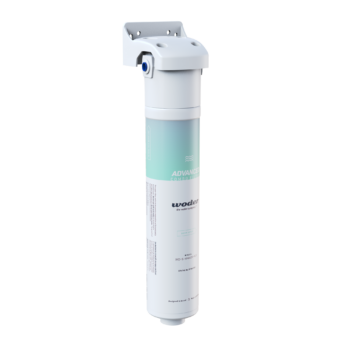
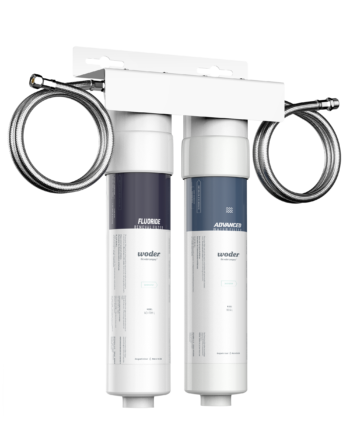
At Woder, our under-sink and inline systems use Advanced Selective Filtration to reduce lead, chlorine, PFAS and other contaminants while keeping calcium and magnesium. The base Gen4 Advanced media carries the WQA Gold Seal, we make our systems in the USA, and most people set one up in under an hour.
Whatever you choose, make sure it’s certified for the contaminants that matter in your home. Our buyer’s guide to choosing a water filter can help you compare.
Frequently Asked Questions
Is tap supply safer than bottled?
In many cases they’re about the same. The EPA regulates city supply, and the FDA regulates bottled products, with comparable standards. Tap supply is tested more often and costs far less. Adding a certified filter at the tap gives you bottled-level quality without the plastic waste.
Does boiling remove lead?
No. Boiling kills germs, but it doesn’t remove lead or other metals. It can actually concentrate lead as some of the liquid evaporates. If lead is a concern, use a filter certified for lead reduction under NSF/ANSI 53 or a similar standard, or a safe alternative source.
How can I find out what’s in my local supply?
Start with your utility’s annual quality report, which you can usually find online by searching your city’s name. For details about your own home, especially lead from plumbing, order a certified lab test. Home test kits give a quick, cheaper first look.
Can I drink from the tap during a boil notice?
Not without boiling it first. During a notice, bring it to a rolling boil for one minute, or three minutes at high elevations, and let it cool. Use boiled or bottled supply for drinking, cooking, brushing teeth and making ice until the notice is lifted.