No single option is best for every well. Match the equipment to your lab results: a sediment filter for grit, an iron filter for stains, a softener for scale, UV for bacteria, and a certified drinking filter at the kitchen sink. Browse our under-sink sediment filters for that last step.
Key takeaways:
- Your lab report decides what you buy.
- Treat sediment first and bacteria last.
- Size whole-home equipment for your peak flow.
- Add a drinking stage at the kitchen tap for the glass you actually drink.
Ask ten rural homeowners which filter is best and you’ll hear ten different answers. They’re all right, for their own wells. Groundwater changes from one county to the next, sometimes from one property to the next. Something that fixes rusty stains on one farm can do nothing for bacteria a mile down the road.
So we’re not going to rank products. This guide sorts the options by problem instead. Find the issue you’ve got, and you’ll know what kind of equipment to shop for, which features matter, and what to skip. For the big picture of how all the stages fit together, read our guide to well water filtration for homes first.
One rule holds for everyone, though: test before you buy. Any water filter for well water should be chosen to match a lab report, not a hunch.
Match the Equipment to the Problem
Use this cheat sheet, then jump to the matching section.
| Problem | What you notice | What to look at |
| Sediment | Gritty, cloudy or sandy glasses | Sediment filter |
| Iron | Orange/red staining in sinks, tubs and laundry | Iron filter |
| Manganese | Black specks or stains | Iron/manganese filter |
| Sulfur | Rotten egg smell, often worse from hot taps | Air injection or catalytic carbon |
| Hardness | Scale, spots, soap that won’t lather | Softener |
| Bacteria | Positive coliform test, stomach trouble | UV system |
| Chemicals, lead, PFAS | Only shows up in lab testing | Carbon or a certified point-of-use filter |
Most wells have more than one issue, and that’s normal. A good well water filter setup handles each problem in the right order, starting with particles and ending with disinfection and the drinking stage.

Sediment: The Easy Win
Sediment is the most common problem with private wells, and the easiest to fix. Sand, silt, clay and rust flakes clog aerators, scratch fixtures, and shorten the life of every piece of equipment after them.
A well water sediment filter traps particles before they travel through the plumbing. The spec that matters most is the micron rating, and smaller numbers catch finer stuff. Cartridges rated 50 to 100 microns stop coarse sand and grit and work well as a first stage on very sandy wells. The 20 to 30 range is a common all-purpose choice. Five microns or less catches fine silt, but put it after a coarser stage or it’ll clog in days.
So what’s the best sediment filter for well water? For heavy sand, a spin-down filter with a clear bowl lets you flush debris with a twist of a valve. For everyday particles, a standard housing with a 20-micron cartridge is cheap and easy. Lots of homes use both, spin-down first and cartridge second.
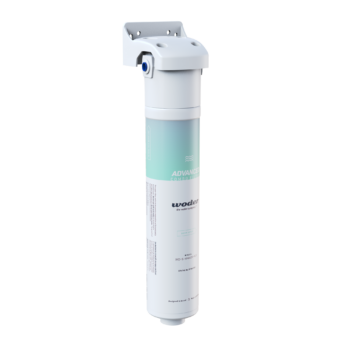
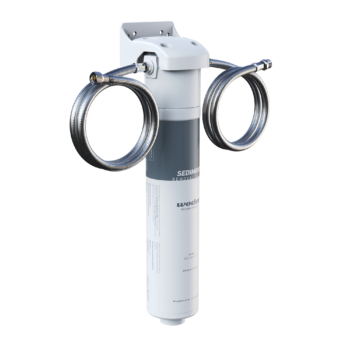
At the kitchen sink, Woder’s 20-micron sediment cartridge does the same job on a smaller scale. It protects the main drinking stage and helps it last longer.
Iron: Stains, Taste and Slime
Iron is the second complaint we hear most. It stains everything, tastes metallic, and can feed iron bacteria that leave slimy gunk in toilet tanks.
An iron filter for well water turns dissolved iron into solid particles, then traps them. There are a few main approaches.
With air injection oxidation, the system adds a pocket of air to the tank. Iron reacts with the oxygen, forms particles, and gets caught in the media bed. It’s chemical-free and handles sulfur too.
Greensand or manganese dioxide media oxidize iron as the flow passes through. Some types need a potassium permanganate or chlorine regeneration step.
Catalytic carbon is good for low iron that comes with a sulfur smell. And chemical injection, chlorine or hydrogen peroxide added before a filter tank, is the tool for very high iron or iron bacteria.
When you compare options for the best iron filter for well water, check three things: the maximum iron level it’s rated for, the pH range it needs, and whether it also treats manganese and sulfur. Your lab report tells you which numbers matter.
A softener can take out small amounts of iron, but heavy iron fouls the resin. If your level is high, put a dedicated iron filter ahead of the softener.
Sulfur Smell
That rotten smell usually comes from hydrogen sulfide gas, which forms when certain bacteria break down organic matter underground. At low levels it’s mostly a nuisance, but it can corrode plumbing and ruin coffee and tea.
If the smell only comes from hot taps, the culprit may be the magnesium rod inside your water heater, not the well itself. Swapping it for an aluminum-zinc rod often solves it for under $50.
If cold taps smell too, look at catalytic carbon for light odor or an air injection system for stronger odor. Many units sold for metals also handle sulfur, so one tank can fix two problems.
Hardness
Groundwater picks up calcium and magnesium as it moves through limestone and other rock. You get scale on faucets, spots on dishes, and a heater that works harder every year.
A softener is the standard fix. Match grain capacity to your hardness level and household size. Demand-initiated regeneration saves salt compared with timer models. Fine-mesh resin handles small amounts of dissolved metals better. If anyone in the house watches sodium, keep an unsoftened line to the kitchen and put a drinking stage there.
Chemicals, Lead and PFAS
Lab reports sometimes flag nitrates, arsenic, pesticides, lead or PFAS. None of these stain or smell, so testing is the only way to know. Treatment depends on the contaminant. Carbon handles many organic chemicals. Reverse osmosis or specialty media may be needed for nitrates or arsenic. Lead usually comes from household plumbing rather than the aquifer, so a certified point-of-use system at the tap is often the most practical answer. Browse our lead removal under-sink filters.
Bacteria and UV
Bacteria, viruses and parasites can’t be seen, smelled or tasted. Only a lab test finds them. If yours comes back positive for coliforms, or your well is shallow or near a septic field, UV is the standard answer.
A UV unit shines ultraviolet light through a clear chamber as the flow passes. The light damages the DNA of microbes so they can’t reproduce. No chemicals, no change in taste.
When choosing the best UV filtration system for well water, size it for your peak flow, because an undersized unit lets microbes slip through. Look for NSF/ANSI 55 Class A certification, a lamp alarm that warns you when the bulb fails, and easy access to the quartz sleeve for cleaning.
Plan on yearly UV lamp replacement. Bulbs lose strength long before they burn out, so the light can still glow when it’s no longer doing its job. And remember that UV only works on clear supply. Sediment, iron and hardness shade microbes from the light, so UV always goes after those stages.

Putting a Whole-Home Setup Together
Most well owners need more than one stage. The best whole house water filter for well water is really a set of components picked to work together. A common order is sediment first, then iron and manganese, then a softener if the supply is hard, then carbon for taste and chemicals, and UV last.
The biggest sizing factor is flow rate (GPM). Count the fixtures that might run at once, like a shower, dishwasher and washing machine. Most homes need 6 to 12 gallons per minute, and anything rated below that will cause pressure drops.
What makes the best well water filtration system for your home? It solves every problem on your lab report, it’s sized for your flow, and it’s easy enough to maintain that you’ll actually keep up with it. Fancy features don’t help if nobody changes the cartridges.
Mistakes That Cost Owners Money
We talk with a lot of rural homeowners, and the same slips come up again and again. Treating symptoms without a test is the big one, since a softener bought to fix “bad taste” won’t touch sulfur or bacteria. Putting UV first is another; without clear supply, the light can’t reach the microbes. Skipping the spin-down lets heavy sand wreck an expensive media tank within a year. Undersized equipment frustrates a family of five. Acidic groundwater can eat through copper pipes and leach metals into the glass, so a neutralizer may be needed before anything else. And never retesting is risky, because a clean report from five years ago doesn’t mean much today.
A Clean Glass at the Kitchen Tap
Whole-home equipment protects the plumbing and makes showers nicer. But it’s built for high flow, so the supply passes through quickly. For drinking and cooking, many families add one more stage under the kitchen sink.
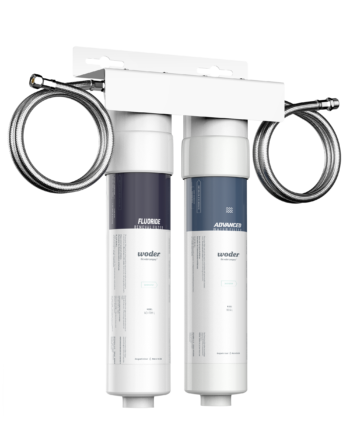
That’s where Woder comes in. Our dual-stage sediment and Gen4 Advanced under-sink system is a natural fit for homes on a well. The first cartridge is a 20-micron sediment stage. The second uses our Advanced Selective Filtration to reduce chlorine, lead, PFAS and other contaminants while keeping healthy minerals. The base Gen4 Advanced media is WQA Gold Seal certified, and we make our systems in the USA.
Just to be clear, Woder systems don’t replace an iron filter, a softener or a UV unit. If your well has bacteria or high iron, deal with those first. Our filter then gives you a final, focused stage for what you drink every day, and setup takes under an hour with no drilling.
Buying Checklist
Get a certified lab test and keep a copy. List every problem on it, in order of priority. Choose equipment certified for those specific issues. Size whole-home gear for your peak flow. Put sediment first and UV last. Budget for yearly upkeep: cartridges, salt, lamps and testing. And add a drinking stage at the kitchen sink for the glass you actually drink.
Frequently Asked Questions
What’s the best filter for iron from a private well?
For moderate iron, an air injection system is a popular choice because it’s chemical-free and handles sulfur odor too. For very high iron or iron bacteria, chemical injection followed by a filter tank works better. Always pick a system rated for the iron level on your lab report.
What micron sediment filter should I use on a well?
A 20-micron cartridge works for most homes. If your well produces a lot of sand, start with a 50 to 100-micron spin-down filter, then add a 20 or 5-micron cartridge after it. Staging them keeps the finer cartridge from clogging too fast.
Do I need UV if my latest well test is clean?
Not always, but many owners add one as insurance. Bacteria levels can change after heavy rain, flooding or nearby construction. If your well is shallow, older or near a septic system, UV is a smart safeguard. Keep testing every year either way.
Can I use an under-sink filter on a private well?
Yes, as a drinking and cooking stage. An under-sink filter with a sediment stage works well for many homes on wells. It doesn’t replace UV for bacteria or a dedicated iron filter for heavy iron, so handle those problems at the point of entry first.