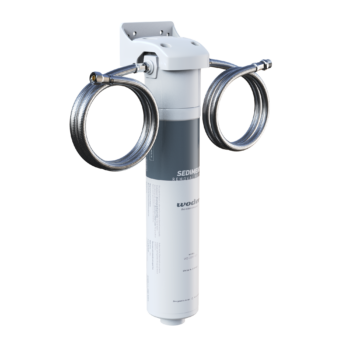
A complete setup for a private well usually includes a yearly lab test, a sediment stage, iron and sulfur treatment, a softener for hardness, carbon for chemicals and taste, UV for bacteria, and a drinking filter at the kitchen sink. You only need the stages your test calls for. For that last stage, see our sediment under-sink filters.
Key takeaways:
- Private wells aren’t covered by federal drinking supply rules.
- Test every year, and again after floods or repairs.
- Each treatment stage solves one specific problem, and the order matters.
- Whole-home equipment and a kitchen drinking filter work best together.
Own a home on a private well? Then you’re the one in charge of what comes out of the tap. No utility tests it for you, and no treatment plant cleans it before it reaches the kitchen. That freedom comes with homework, and good water filtration for well systems is a big part of it.
According to the EPA, more than 23 million US households rely on private wells, and the agency’s rules for public supply don’t cover them. The homeowner decides when to test, what to treat, and what to install. The EPA private well guidance is blunt about it: owners are responsible for the safety of their own supply.
Below is what a complete setup looks like, stage by stage, with typical costs and the spot where a drinking filter fits.
So What Is It, Exactly?
What is a well water filtration system, really? It’s a series of treatment stages, and each one handles a specific problem found in groundwater. Unlike a pitcher or a faucet filter, it usually treats every tap in the house and is designed around your test results.
A typical well water filtration system sits between the pressure tank and the rest of your plumbing. Supply leaves the well, fills the pressure tank, passes through each stage in order, and then heads to the faucets, shower and appliances.
Order matters a lot. Early stages pull out the big stuff, like sand and rust, so later stages can work on smaller contaminants without clogging up. A good installer designs the sequence around your lab report.

Signs Something Needs Treating
Some problems announce themselves. Orange, red or brown stains usually mean iron. Black specks point to manganese. A rotten egg odor, especially from hot taps, comes from sulfur compounds. White crust on fixtures means hardness. Cloudy or gritty glasses suggest sediment or a failing pump screen. A metallic or bitter taste can mean low pH, which corrodes copper pipes and can pull lead from older fixtures. And if people in the house keep getting stomach trouble, test for bacteria right away.
Here’s the tricky part. Arsenic, nitrates and most bacteria have no color, taste or smell. A clear, great-tasting glass can still hold something you don’t want, which is why yearly lab results beat any of these clues.
Start With a Test
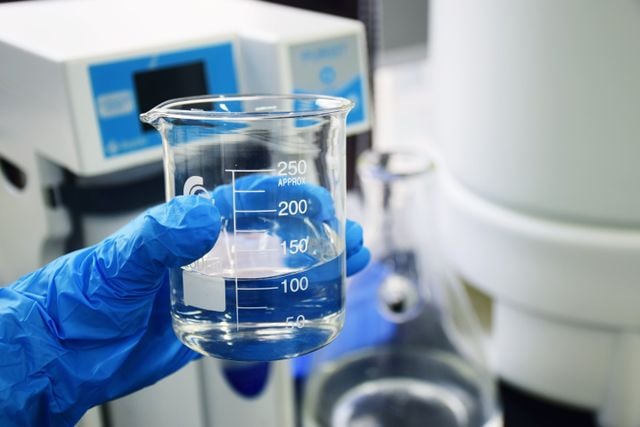
Every good system starts with private well testing. Skip it and you’re guessing, and guessing gets expensive.
The CDC recommends testing at least once a year for total coliforms, nitrates, pH and total dissolved solids. Depending on where you live, add arsenic, iron, manganese, lead, hardness, radon, uranium or PFAS. Your county health department or state extension office can tell you what’s common nearby, and a state-certified lab gives the most reliable results.
Test again after any flood, after work on the well, or whenever the taste, color or smell changes.
Taking the sample right matters more than people think. Follow the lab’s instructions to the letter. Most ask you to use the bottle they send, take the sample from a cold tap without an aerator, run the line for a few minutes first, and get it back to the lab within a day or two. Keep it cold on the way. A sloppy sample can show bacteria that aren’t really in your well, or miss ones that are, and then you’re paying for equipment based on bad data.
The Stages, One by One
A complete well water filter system may include some or all of these. Most homes don’t need every one, and your results decide which ones you use.
Sediment
This is almost always first. A sediment pre-filter catches sand, silt, clay and rust flakes. It’s rated in microns. A 20- or 50-micron cartridge is a common starting point, sometimes followed by a finer 5-micron stage. Spin-down units with a clear housing let you flush trapped grit without changing anything.
Iron
Removing iron and manganese usually takes an oxidizing filter, like air injection, greensand or catalytic media. These turn dissolved metals into particles, then trap them.
Sulfur
If the tap smells like rotten eggs, you’re probably dealing with hydrogen sulfide (rotten egg smell). Low levels can be handled by catalytic carbon. Higher levels often need air injection or chemical oxidation, and many iron filters take care of sulfur at the same time.
Softener
Groundwater is often hard, loaded with calcium and magnesium that leave scale on fixtures and inside the heater. A softener swaps those minerals for sodium or potassium. It protects plumbing and appliances, but it doesn’t remove most contaminants.
Carbon
Activated carbon cuts many organic chemicals, pesticides and odors, and it helps taste. In a well setup it usually comes after the iron and softener stages so it doesn’t clog early.
Ultraviolet
Groundwater can carry bacteria, viruses and parasites, especially after heavy rain or if the well cap is damaged. UV disinfection uses ultraviolet light to inactivate those microbes without adding chemicals. It’s the last whole-home stage, and it needs clear supply to work, so sediment and iron have to come out first. A positive test for coliform bacteria is the most common reason people add it.
A drinking stage at the sink
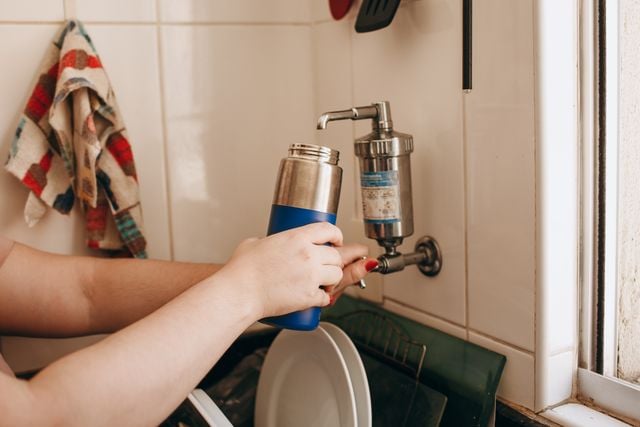
Many owners add one more filter in the kitchen. It focuses on what you drink and cook with, and it can target things like lead from plumbing, arsenic or PFAS that whole-home stages may not fully handle.
Whole-Home vs Point-of-Use
A whole house well water filter treats everything entering your home. It protects pipes, the shower, laundry and appliances, and most of the stages above fall into this group.
A whole house well water filtration system is built for high flow, though. Supply moves through the media fast, which is fine for showers but not always ideal for a glass you drink. That’s why many homes pair it with a point-of-use filter at the kitchen tap.
Think of it this way. Whole-home stages tackle problems that affect the entire house: sediment, iron, hardness, sulfur and bacteria. Point-of-use stages focus on what you drink, with slower flow and more contact time. Most families with wells end up with both. Our whole house water filter guide covers sizing in more detail.
What It Costs
The well water filtration system cost depends on how many stages you need and how complicated your plumbing is. Based on common industry estimates:
| Component | Typical installed cost |
| Lab test | $50 to $300 |
| Sediment filter | $100 to $500 |
| Iron/manganese filter | $1,000 to $3,000 |
| Softener | $800 to $2,500 |
| Carbon tank | $800 to $2,000 |
| UV system | $500 to $1,500 |
| Under-sink drinking stage | $100 to $400 |
A full multi-stage setup often lands somewhere between $2,000 and $8,000 installed. Yearly upkeep for cartridges, salt, UV lamps and testing usually adds a few hundred dollars more.
Get at least two quotes, and ask each installer to explain how the design matches your lab report. A good one will tell you which stages you can skip.
Questions to Ask an Installer
A good contractor welcomes questions. Before you sign, ask which stages they recommend and which line of your report each one addresses. Ask what flow rate the design is sized for, and whether the components are certified, and to which standards. Find out what yearly maintenance costs and which parts you can handle yourself. Make sure there’s a bypass valve so you can service the equipment without shutting off the house. And ask what warranty covers the tanks, valves and labor.
Vague answers, or a quote that includes stages your report doesn’t support? Get a second opinion.
Adding a Drinking Stage With Woder
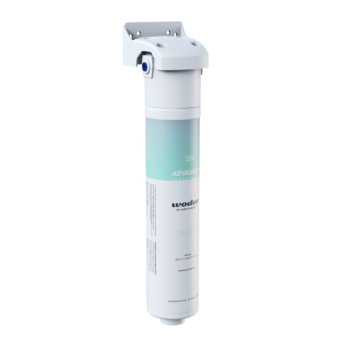
When you’re planning a well water filtration system for home use, don’t forget the glass in your hand. Woder makes point-of-use systems that fit under the kitchen sink.
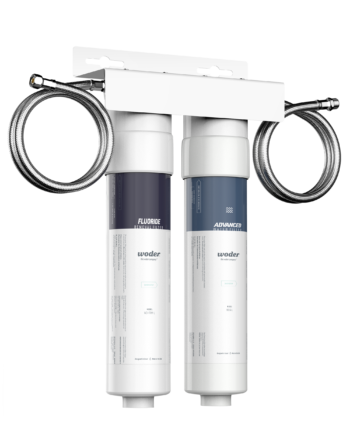
For well supply, our dual-stage sediment and Gen4 Advanced system is a popular pick. The first stage is a 20-micron sediment cartridge that catches fine particles. The second uses our Advanced Selective Filtration to reduce chlorine, lead, PFAS and other contaminants while keeping healthy minerals. The base Gen4 Advanced media carries the WQA Gold Seal, and we make our systems in the USA.
To be clear, a Woder unit doesn’t replace iron removal, a softener or UV. If your test shows bacteria or high iron, put those stages in first. Our filter then becomes the final step for drinking and cooking.

Keeping It All Running
Treatment equipment only protects you if you maintain it. A simple yearly routine covers most homes. Test once a year and after floods or repairs. Change sediment cartridges every few months, or when the pressure gauge drops. Top up softener salt monthly and clean the brine tank once a year. Replace the UV lamp every 12 months and clean the quartz sleeve while you’re at it. Swap carbon media on your installer’s schedule, and the kitchen drinking cartridge every six to twelve months. Check the well cap and casing for cracks, gaps or signs of insects and runoff.
Keep a little logbook with dates and test results. After a few years, it shows how your groundwater changes with the seasons.
Comparing Your Options
Shopping for well water filtration systems can feel overwhelming. Start with your lab results, not a sales pitch. Size for your flow rate, which is 6 to 12 gallons per minute for most homes. Check certifications for each stage. Plan for maintenance. Ask about bypass valves. For product-level advice by problem, see our guide to the best options for each well problem.
Choosing the right water filtration system for well water takes some homework, but once it’s in, you’ll have clean supply for years. Good well water filtration works in layers: test first, solve the big problems at the point of entry, then give your drinking water one last stage at the sink.
Frequently Asked Questions
How often should I test my well?
The CDC recommends testing at least once a year for total coliforms, nitrates, pH and total dissolved solids. Test again after flooding, well repairs, or any change in taste, color or smell. Your local health department can suggest extra tests based on what’s common in your area.
Do I need a UV system for my well?
You need UV if your test shows coliforms, or if your well is shallow, older or prone to flooding. Many homeowners add it as a safeguard anyway. UV only works on clear supply, so sediment and iron removal stages have to come before it in the line.
How much does a full setup for a private well cost?
A simple sediment and carbon setup can cost under $1,000. A full multi-stage system with iron removal, a softener and UV often costs $2,000 to $8,000 installed. Yearly upkeep for cartridges, salt, lamps and testing typically adds a few hundred dollars on top.
Can a sediment filter alone clean my well supply?
No. A sediment filter only removes particles like sand, silt and rust. It doesn’t treat bacteria, dissolved iron, hardness or chemicals. It’s an important first stage, but most wells need more treatment, based on the test results, before the supply is safe to drink.
Is it safe to drink from a well without filtration?
Some wells produce safe supply without treatment, but you can’t know that without testing. Groundwater can contain bacteria, nitrates, arsenic or other contaminants with no taste or smell. Test every year, treat what you find, and consider a drinking stage at the kitchen sink.