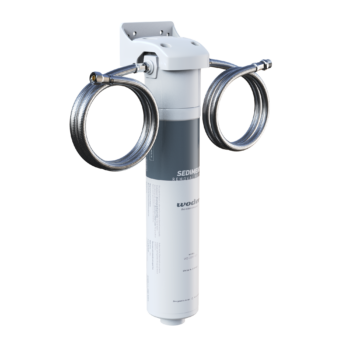
Test your tap first, list what you want to reduce, pick a format that fits your kitchen, then confirm independent certification and long-term cartridge cost. For most families, an under-sink system hits the best balance of performance and price. Compare our under-sink water filter systems or try the Filter Wizard on our site.
Key takeaways:
- No single filter is right for every home.
- Your test results decide which media you need.
- Under-sink systems suit most families, while pitchers and countertop units suit renters.
- Compare yearly cartridge costs, not just the sticker price.
Walk down the aisle at Home Depot and you’ll see pitchers, faucet mounts, countertop jugs, under-sink kits and giant tanks, all promising a cleaner glass. No wonder people freeze up. It gets a lot easier once you break the decision into a few small steps.
There isn’t one best water filter for home use that works for everybody. The right pick depends on what’s in your tap, what you want gone, how much room you have, and what you’re willing to spend over the years. The four steps below, plus a short checklist at the end, should get you to a choice you feel good about.
Step 1: Find Out What’s in Your Tap
You can’t fix what you haven’t measured, so start here before you compare a single product.
If you’re on city supply, your provider publishes an annual Consumer Confidence Report. It’s free, and it lists what was found and at what levels. Search your city’s name plus “drinking report” and it usually pops right up.
Home test kits from the hardware store give quick results for hardness, chlorine, pH and sometimes lead. They’re cheap but not very precise.
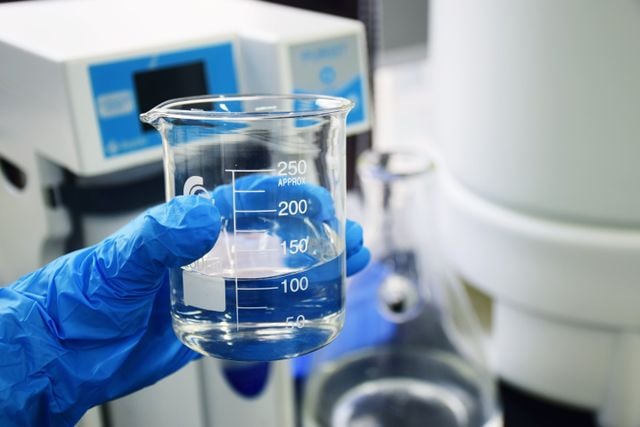
A certified lab test is the most accurate option, and it’s a must for private wells. Results usually cover dozens of substances.
Remember that your city’s water quality report describes conditions at the plant and in the mains. It doesn’t cover what your home’s own pipes might add, like lead from old solder or fixtures.
A cheap pen tester can help you compare sources, but it won’t tell you whether your tap is safe. Our TDS meter guide explains why.
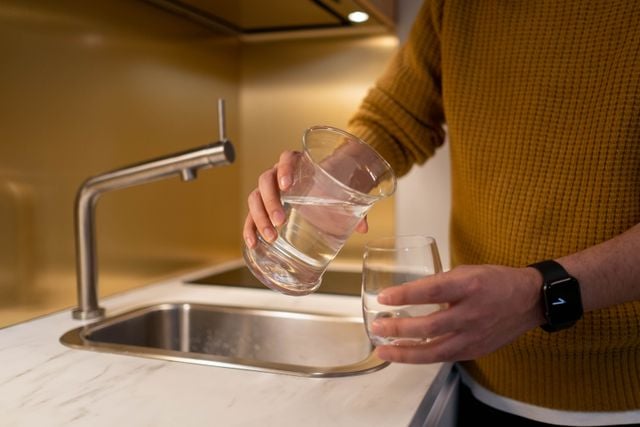
Step 2: Decide What You Want Gone
With results in hand, write a short list of your contaminants of concern. Most households end up with one or more of these.
Chlorine and chloramine cause that pool-like taste and smell, and almost any carbon filter helps. Lead shows up mostly in homes built before 1986, and you need a product certified for lead reduction. PFAS, the so-called forever chemicals, appear in many systems, so look for testing specific to PFAS. Fluoride isn’t removed by standard carbon, which means special media or reverse osmosis; our fluoride removal filters use special media without RO. Sediment like sand, rust and grit, common with wells and old pipes, calls for a pre-filter. Hardness from calcium and magnesium is a softener’s job, not a filter’s.
If lead tops your list, the best lead removal water filter for home use carries independent certification for lead, such as NSF/ANSI 53 or WQA Gold Seal testing. A claim printed on the box isn’t enough.
If spots and scale bother you most, the best home water filter for hard water might actually be a pair: a softener for the house plus a drinking filter at the kitchen sink. Most filters, ours included, keep calcium and magnesium on purpose, since those minerals are healthy to drink.
Step 3: Pick a Format
Now match your needs to a format. Here’s how the main ones compare:
| Type | Best for | Installation | Upkeep |
| Pitcher | Renters, small households, tight budgets | None | Cartridge every 1 to 2 months |
| Faucet mount | Quick upgrade on a standard faucet | Screws on | Cartridge every 2 to 3 months |
| Countertop | Renters who want more capacity | Sits on the counter | Cartridge every few months |
| Under-sink | Families, daily drinking and cooking | DIY or plumber | Cartridge every 6 to 12 months |
| Inline | Fridges, ice makers, RVs | Splices into a line | Cartridge every 6 to 12 months |
| Whole-home | Sediment, showers, appliances | Usually a plumber | Media every few months to years |
| Reverse osmosis | Very high TDS or fluoride | Plumber, extra faucet | Several stages plus a membrane |
Renting and can’t touch the plumbing? The best countertop water filter for home use has certified performance data, cartridges you can actually find, and a footprint that fits your counter. Gravity-fed countertop units are a solid pick when you can’t get under the sink.
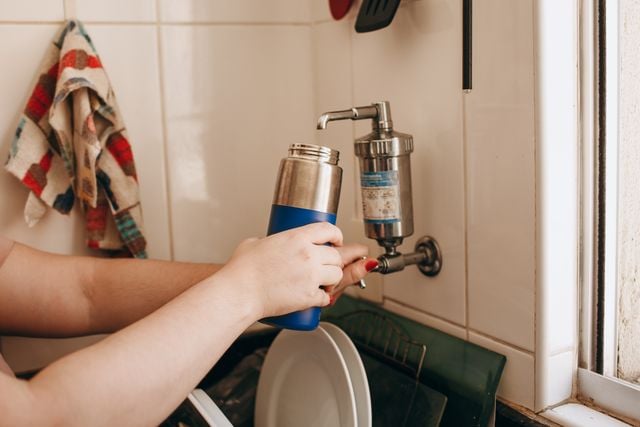
For most homeowners, the best water filter system for home drinking and cooking is a point-of-use unit at the kitchen sink. It cleans what you actually drink, costs far less than a whole-home system, and doesn’t hog the counter.
Matching the Choice to Your Life
Sometimes it’s easier to start with how you live than with a spec sheet.
Renting an apartment usually means no drilling and no valve swaps. A countertop unit works, and so does a Direct Connect under-sink system that uses your existing faucet, since it comes out when you move.
Growing family? You’ll go through a lot of drinking and cooking supply every day, and a high-capacity under-sink cartridge saves you from constant refills.
House built before 1986? Lead solder and older brass fixtures are a real possibility, so put lead reduction first and think about a dual-stage system.
On a private well? Test every year. You’ll likely need a sediment stage, and maybe iron removal or UV before any drinking stage.
Living in an RV or a tiny home, a compact inline unit on the main drinking line is often the simplest fix. And if your city supply is safe but tastes like a pool, a single-stage carbon system is usually all you need.
Under-Sink Systems, Up Close
Under-sink setups are the most popular choice for families. When you’re working out how to choose an under-sink water filter for your kitchen, start by measuring the cabinet, noting where the disposal and drain pipes sit.
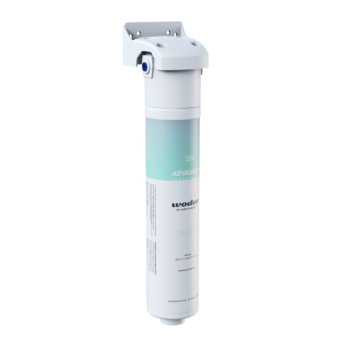
Then check the connection type. Direct Connect systems go between your shutoff valve and the existing faucet hose. Quick-connect systems use push-in fittings for 1/4-inch lines. Neither needs a new faucet.
Look at flow rate and capacity, too. Higher flow means less waiting to fill a pot. Higher capacity means fewer cartridge changes.
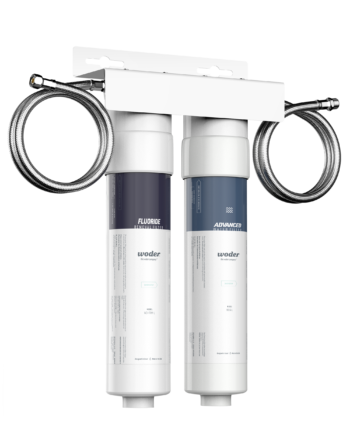
Decide on stages. One stage handles most city supply, and you can add a stage for lead, fluoride or sediment if your results call for it. And watch for waste: reverse osmosis units often send some flow down the drain, and plenty of homes don’t need that level of treatment anyway.
Whole-Home Systems, Briefly
If you’re asking, “How do I choose a whole house water filter?”, start with flow rate and source. City homes usually need a carbon or catalytic carbon tank for chlorine and chloramine. Well homes often need several stages for sediment, iron and bacteria.
Size it for peak demand. A typical home might use 6 to 12 gallons per minute when the shower, dishwasher and a faucet all run at once. Then budget for a plumber. Our guide to the best whole house water filter options in 2026 goes deeper.
Three Real-World Examples
Sometimes it helps to see the steps play out. Here are three situations we hear about a lot.
A couple in a 1950s ranch house in Ohio reads their city report and sees nothing alarming, but their house still has its original galvanized pipes and a brass faucet. Their main worry is lead from the plumbing, not the source. A dual-stage under-sink system with certified lead reduction is the logical pick, and they can install it themselves on a weekend.
A college grad renting a small apartment in Austin hates the chlorine taste and can’t drill anything. A countertop unit, or a Direct Connect system that uses the existing faucet, solves the taste problem and comes along on moving day.
A family on a well outside Asheville gets a lab report showing sediment and iron, plus a positive coliform result. They need whole-home treatment first: a sediment stage, an iron filter and UV. Only after that does a drinking filter at the kitchen sink make sense.
Same four steps, three very different answers. That’s exactly why testing comes first.
Step 4: Check Proof and Long-Term Cost
Two things separate a good product from a pretty box: proof, and what it costs you over time.
For proof, look for NSF/ANSI and WQA certification tied to specific contaminants. NSF/ANSI 42 covers taste and odor, NSF/ANSI 53 covers health-related contaminants like lead, and NSF/ANSI 58 covers reverse osmosis. The WQA Gold Seal is another independent mark. Check the certifier’s online database to make sure the product is actually listed.
For cost, the sticker price is only part of it. Work out the cost per gallon by dividing a replacement cartridge’s price by its rated capacity. A $20 pitcher cartridge rated for 40 gallons comes to 50 cents per gallon. A $60 under-sink cartridge rated for 1,000 gallons comes to 6 cents. Over a year, that gap adds up.
Time counts, too. A pitcher you refill ten times a day isn’t free if nobody wants to use it.
Plan for Maintenance Up Front
Even a great system stops helping once the cartridge is spent. A used-up carbon block can’t grab much more chlorine. So think about upkeep from day one. How often will you need a new cartridge with your daily use? Can you change it yourself in a few minutes? Does the system remind you, or will you need to track the date? And will the brand still sell that cartridge in five years?
Most under-sink and inline cartridges last six to twelve months, while pitcher cartridges need swapping every month or two. Write the install date on the housing with a marker and set a phone reminder.
Red Flags While Shopping
Marketing in this space can get wild. “Removes 99.9 percent of contaminants” means nothing without a list and a standard number. If you can’t find a product in a certifier’s database, be skeptical. Cartridges sold by only one tiny website can leave you stuck later. Huge capacity numbers should match a certified test, not a best-case guess. And be wary of in-home sales pitches that follow a “free test” with dramatic demos.
Our Checklist
Before you buy, run through this. The best drinking water filter system for home use should check most of these boxes. It’s certified for the contaminants in your results. It fits your space and plumbing. You can install it yourself, or you’re fine paying for installation. Replacement cartridges are easy to find and fairly priced, and the long-term running cost makes sense for your household. It supports mineral retention, so the glass keeps the calcium and magnesium your body uses. And it doesn’t waste supply or need an extra faucet you don’t want.
We built Woder around those last points. Our Selective Filtration technology reduces lead, chlorine, PFAS and other contaminants while keeping healthy minerals. The base Gen4 Advanced media carries the WQA Gold Seal, every system is made in the USA, and most customers install theirs in under an hour.
Still stuck? The Filter Wizard asks a few questions about your home, your supply and your goals, then recommends a system. It takes about two minutes, no sign-up.
Frequently Asked Questions
What’s the best type of filter for a home?
For most homes, an under-sink filter gives the best mix of performance, cost and convenience for drinking and cooking. Pitchers work for small budgets and renters. Whole-home systems make sense when you also need to treat shower supply or deal with heavy sediment.
Which filter removes lead?
Look for one certified for lead reduction under NSF/ANSI 53, or tested by an independent group like the WQA. Many carbon block and specialty media filters qualify. Always confirm the listing in the certifier’s database, because “reduces lead” on the box isn’t proof.
Is a countertop or under-sink filter better?
Under-sink is usually better if you own your home and want a clear counter and higher capacity. Countertop is better if you rent, can’t get to the plumbing, or want something portable. Either can perform well, as long as it’s certified for your contaminants.
Do I need to test my tap before buying a filter?
It’s strongly recommended. A test shows which contaminants are present, so you can choose a filter certified to reduce them. City residents can start with the free annual report from their utility. Private well owners should order a certified lab test at least once a year.
How much should I spend on a home filter?
That depends on the type. Pitchers cost $20 to $50, under-sink systems usually run $100 to $400, and whole-home systems can cost thousands once installed. Compare what replacement cartridges cost over their rated life, since that’s what you’ll really spend over the years.