Brita and Culligan usually appeal to different buyers. A Brita pitcher is sold in regular stores, and you can start using it the same day. With Culligan, the first step is usually a call to a local dealer. In this Culligan vs Brita comparison we look at what your water needs, how much you plan to spend and whether you are ready for an installation.
Price
Put a Culligan water filter vs Brita side by side and Brita is the cheaper one, with no installation. You buy the pitcher, fill it with water and use it right away.
Culligan costs more and needs to be installed. culligan.com does not show prices, so you ask a local dealer for a quote. TapWaterData cites a HomeGuide estimate of $1,050 to $1,700 for an installed under-sink RO system, and $2,500 or more for smart and tankless models. A rental usually costs $10 to $30 a month with maintenance included. Prices differ between dealers and regions.

What the filters actually do
Brita publishes performance data for each filter. According to its performance data sheet, the Brita Standard filter (model OB03) is certified by WQA to NSF/ANSI 42 for chlorine and zinc and to NSF/ANSI 53 for cadmium, copper and mercury. Lead and PFAS are not on the list. Other Brita filters have different certifications, so check the sheet for the model you plan to buy.
To make a fair Culligan vs Brita water filter comparison, first decide which contaminants you want to remove. Reverse osmosis reduces more dissolved substances than a basic pitcher filter, but each RO system performs differently. Ask the dealer for the performance data sheet of the specific Culligan model and compare it with Brita’s.
Living with it
Brita rates the Standard filter for 40 gallons, or about two months of typical use, and recommends filtering no more than two gallons a day. That means about six filters a year. You also refill the pitcher by hand, and it takes up space in the refrigerator. Some people don’t mind this, but in a household that drinks a lot of water it becomes noticeable.
If you compare Culligan water vs Brita in daily use, the main difference is refilling. A Culligan under-sink system filters water when you turn on the faucet, so you have nothing to refill. A dealer usually does the installation. TapWaterData reports that the warranty terms may limit DIY installation, so ask the dealer about this and about how long the visit will take.
The in-between option
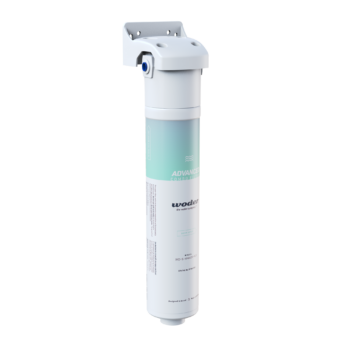
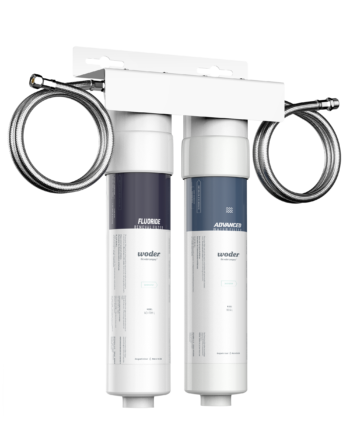
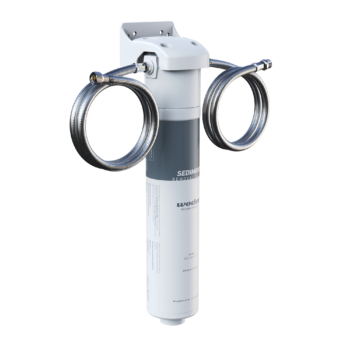
Woder is somewhere between a pitcher and a dealer-installed system. It is mounted under the sink and filters water through your existing faucet, so it takes no space in the refrigerator. The cartridge is rated for a year under the stated warranty conditions. You install Direct Connect on the cold-water line yourself, without a dealer, drilling or an extra faucet. Prices are listed on our product pages; when we wrote this article, models started at $84.
Our Selective Filtration™ media is designed to keep calcium and magnesium in the water. The system needs no electricity and sends no water to the drain. The base Gen4 Advanced media has WQA Gold Seal certification to NSF/ANSI 42 and 372 as sold. Lead and PFAS reduction were tested separately by CLB Labs, and this testing is not WQA certification. Brita Standard is certified to NSF/ANSI 42 and 53. When you compare filters, look at which contaminants each one reduces and by how much, rather than counting the standards on the box.
In some cases a pitcher is the better choice. If you rent your home, move often or drink filtered water only occasionally, Brita may be enough. Woder is not an RO system either, so it won’t help if you need to reduce total dissolved solids the way reverse osmosis does.

Which one?
Brita vs Culligan depends on what you need. Choose Brita if you want to spend little upfront and install nothing. Choose Culligan if you need reverse osmosis with dealer installation and service. If you want filtered water from your existing faucet and don’t want to keep a pitcher in the fridge, consider an under-sink system such as Woder.
We have also compared pitchers: see PUR vs Brita and Waterdrop vs Brita. Our guide to the types of water filters covers the other options, and you can find all of our under-sink filters in the catalog.
Frequently asked questions
Is Culligan better than Brita?
In a Brita vs Culligan water filter comparison, it depends on what you need to remove. Culligan’s RO systems reduce a wide range of dissolved contaminants and usually come with dealer installation. Brita is simpler and cheaper, but you have to refill it. Before you choose, read your water quality report and the performance sheet for the specific filter.
Does Brita remove lead or PFAS?
The Standard filter does not. Its data sheet lists chlorine, zinc, cadmium, copper and mercury, and lead and PFAS are not mentioned. Other Brita models have different claims, so check the data sheet for the model you buy.
How often do you change a Brita filter?
Brita recommends replacing the Standard filter after 40 gallons or about two months of typical use, whichever comes first.
How much does a Culligan system cost?
Culligan does not publish one national price, so the Culligan reverse osmosis system cost comes from a local dealer quote. Third-party estimates put some installed under-sink RO systems at about $1,050 to $1,700 and rentals at about $10 to $30 a month. The final price depends on the model, your location and the service package.
Is an under-sink filter better than a pitcher?
An under-sink filter cleans water as it flows to the faucet, and you don’t have to refill anything. It costs more upfront and has to be connected under the sink. A pitcher is cheaper, and you can move it anywhere. The right choice depends on your water quality, how much water your household drinks and whether you can install a system under the sink.