Choosing between pur vs brita often starts with a familiar problem: you want better-tasting tap supply without investing in a complicated treatment setup. Both brands offer accessible products for everyday household use, but the experience can be quite different depending on whether you choose a pitcher or a faucet-mounted unit. The brita vs pur question is therefore less about finding one universal winner and more about matching the filtration format to the way your household actually uses the kitchen.
Someone filling one bottle each morning has very different needs from a family that uses filtered tap supply for coffee, cooking, pets, and several reusable bottles every day. In this comparison, we will look at filtration approach, convenience, cartridge maintenance, faucet options, and upgraded filters. We will also consider when moving away from pitchers and faucet attachments to an under-sink system may make more sense.
Start With the Format, Not the Brand
Before comparing individual cartridges, think about how you want to access the filtered supply.
Brita became a household name largely through pitchers and refrigerator dispensers. Their appeal is obvious. There is virtually no installation, they can move with you, and getting started requires little more than preparing the cartridge and filling the reservoir.
PUR also offers pitcher-style products, but the brand is well known for filtration units that attach directly to compatible kitchen faucets.
These formats solve the same general problem in different ways.
A pitcher separates filtration from your plumbing. Fill it, wait for the contents to pass through the cartridge, and store the finished supply until you need it.
A faucet attachment works on demand. Instead of keeping a reservoir full, you switch the unit into filtration mode when you want to fill a glass, bottle, kettle, or cooking pot.
Neither approach is automatically right for everyone.
Pitchers favor portability and simplicity. Faucet-mounted units favor immediate access and eliminate the repeated refill cycle.

What Should You Compare in the Filtration Media?
A useful pur vs brita water filter evaluation should go beyond taste.
Specific cartridges within both product ranges have their own contaminant-reduction claims, capacities, and replacement recommendations. That is why comparing brands at a general level can only take you so far.
Look at the documentation for the exact cartridge you plan to purchase.
Ask several practical questions:
- Which substances has this specific model been tested to reduce?
- Is the performance independently certified?
- How much can it process before replacement?
- How readily available are replacement cartridges?
- Does the expected service life make sense for your household’s consumption?
The same principle applies to a brita vs pur water filter decision. A premium cartridge from one brand should not automatically be compared with the entry-level cartridge from another as though their specifications were identical.
Activated carbon is commonly used in household filtration because it can adsorb substances responsible for undesirable tastes and odors. More advanced cartridges can combine multiple filtration materials to address additional substances.
Certification and product-specific performance data tell you much more than packaging language alone.
The Everyday Reality of Using a Pitcher
Pitchers have one major advantage: almost anyone can use one.
There is no need to inspect plumbing connections or determine whether your faucet is compatible with an attachment. This makes the format particularly practical in dorms, rentals, offices, and other spaces where modifying the sink is undesirable.
The limitations become more apparent as consumption rises.
Imagine preparing breakfast for four people. You fill a coffee maker, make tea, top up reusable bottles, and need more for cooking later. A small pitcher may go through several refill cycles before lunch.
That is the real issue behind the pur vs brita pitcher decision. Capacity and refill habits can matter as much as differences between cartridges.
Refrigerator space is another consideration. A pitcher or dispenser needs a permanent place, and larger models can occupy a meaningful portion of a crowded shelf.
For light consumption, neither drawback may matter. For a busy household, both can become noticeable surprisingly quickly.

What About Faucet-Mounted Filtration?
Attaching filtration directly to the kitchen fixture removes the need to keep a reservoir full.
When considering a pur vs brita faucet filter, start with compatibility. Traditional faucet shapes are often easier to accommodate, while pull-down, spray-style, and specialty fixtures may not accept the same attachments.
The physical size of the unit matters too.
Adding hardware to the end of the fixture changes how you use the sink. Washing large cookware or moving items around a shallow basin may feel different once an attachment is in place.
The pur faucet filter vs brita choice should therefore consider more than contaminant claims. Look at cartridge cost, expected capacity, filtered flow, ease of switching between normal and filtered modes, and how comfortably the unit fits your existing sink.
When evaluating a brita vs pur faucet filter, replacement availability also deserves attention. A convenient system becomes much less convenient if the correct cartridge is difficult to find locally when you need one.
For many households, faucet-mounted filtration provides a useful middle ground between a refrigerator pitcher and a permanently installed system.
Comparing the Higher-Tier Cartridges
Consumers looking beyond basic filtration frequently encounter the pur plus vs brita elite comparison.
These upgraded product lines are designed for buyers who want more than the most basic cartridge from either brand. The important thing is not to assume that words such as “Plus” or “Elite” automatically tell you which one performs better.
Start with independently verified reduction claims.
Then consider rated capacity and replacement frequency. A cartridge with a higher purchase price may still offer reasonable long-term value if it processes significantly more before replacement.
Looking at brita elite vs pur plus from this perspective makes the comparison much more useful. Calculate how often your household is likely to replace the cartridge instead of focusing only on its shelf price.
A single person and a family of five may reach the rated capacity at very different speeds.
Taste preferences also matter. Even when two products address similar substances, users may prefer the result from one filtration media over another.
When the PUR vs Brita Question Stops Being the Right Question
There is a point where comparing small-format products becomes less useful.
If your main frustration is remembering to refill the pitcher, waiting for filtration, keeping a large container in the refrigerator, or having an attachment hanging from the kitchen fixture, switching brands may not solve the underlying problem.
This is where the pur water filter vs brita debate can become a question about system design rather than brand preference.
Under-sink filtration moves the equipment below the counter and treats the supply before it reaches the kitchen tap. There is no pitcher to fill and no bulky filtration unit attached to the fixture.
That format requires more initial setup, but it can be considerably more convenient for households that consume larger volumes every day.
Where Woder Enters the Comparison
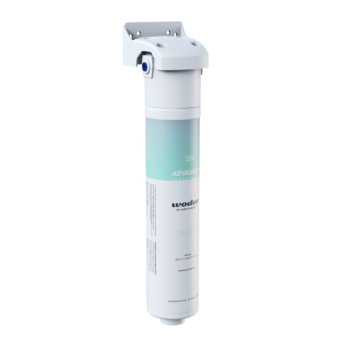
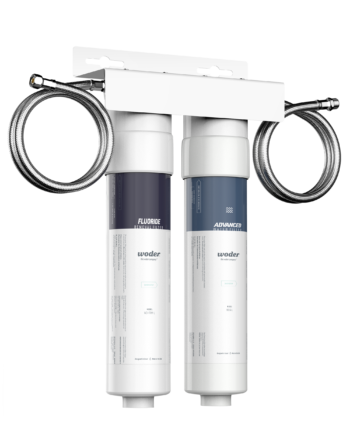
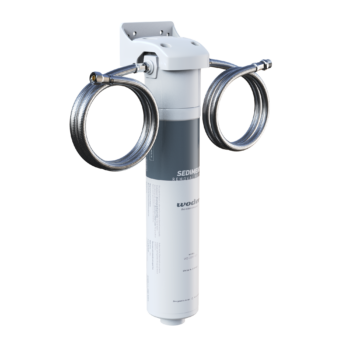
Woder approaches kitchen filtration differently from the pitcher products most people associate with PUR and Brita.
Rather than storing treated supply in a container, compatible Woder systems connect below the sink or inline with the appropriate plumbing. Once installed, filtration becomes part of normal faucet use.
Woder uses Advanced Selective Filtration. The approach is designed to target specified contaminants while retaining naturally occurring minerals instead of broadly removing dissolved substances through reverse osmosis.
The base Gen4 Advanced filtration media carries WQA Gold Seal certification for applicable performance claims.
That difference in format is important.
Someone living in a temporary apartment may still prefer a pitcher because portability matters more than capacity. A college student may have no reason to install anything under the sink. A household that consumes only a few glasses per day might also find a pitcher completely adequate.
Woder becomes more relevant when the repeated routine itself is the problem.
If you want filtration integrated into everyday kitchen use, do not want a reservoir taking up refrigerator space, and prefer to keep filtration hardware away from the faucet, an under-sink system is worth considering alongside PUR and Brita. If you’d rather see how that targeted approach actually works before comparing it to a pitcher, our deep dive into Woder’s Advanced Selective Filtration breaks down the mechanism step by step.
Which Option Fits Which Household?
Instead of naming a single winner, it is more useful to match each format to a situation.
Consider a pitcher if:
You want minimal setup, need something portable, have limited daily consumption, or cannot make changes to the plumbing.
Consider a faucet-mounted unit if:
You want filtered output on demand but still prefer a product that requires relatively little installation.
Consider an under-sink system if:
You use substantial amounts for drinking and cooking, dislike refilling containers, want to keep your countertop and refrigerator clear, or prefer filtration integrated into the kitchen plumbing.
The best solution is the one you are comfortable using and maintaining consistently.
Filtration performance still comes first, so always compare the verified claims of the specific product with the substances you actually want to reduce. And if you’re leaning toward a full under-sink RO system instead of a pitcher, see how it stacks up against another popular RO brand in our Aquasana vs Waterdrop comparison, or check the water-waste trade-off in Waterdrop vs Brita.
Frequently Asked Questions
Which removes more contaminants, PUR or Brita?
There is no accurate brand-wide answer because both companies offer multiple cartridges with different performance specifications. Compare the certified contaminant-reduction claims for the exact products you are considering.
Is a faucet-mounted filter more convenient than a pitcher?
For higher daily consumption, it often can be because there is no reservoir to refill or filtration cycle to wait for. A pitcher has the advantage of portability and requires virtually no installation.
How often should PUR and Brita cartridges be changed?
Follow the rated capacity and replacement guidance for your specific model. Replacement timing can differ significantly between cartridges, and household consumption affects how quickly the rated capacity is reached.
Why would I choose Woder instead?
Woder is worth considering when you want point-of-use filtration integrated into the kitchen rather than a pitcher or faucet attachment. It is a different format rather than simply another version of the same product.
Do under-sink systems remove naturally occurring minerals?
That depends on the filtration technology. Woder’s Selective Filtration is specifically designed to retain naturally occurring minerals while reducing the contaminants covered by the applicable filtration media.