- What Pentair Offers in 2026
- Where Pentair Performs Well
- Where Pentair Falls Short
- Who Should Buy a Pentair Filter
- What to Consider Instead
- Pentair vs. Mineral-Preserving Filters: The Core Question
- Final Verdict: Is Pentair Worth the Premium?
- Frequently Asked Questions
Pentair is a solid choice if you want a big-name whole-home system or a commercial-grade Everpure under-sink unit and don’t mind paying for it. If you mainly want a better glass at the kitchen tap, you can get similar results for less, without losing minerals or sending flow down the drain. Compare options in our water filtration systems catalog.
Key takeaways:
- Pentair’s strength is whole-home and commercial-grade equipment.
- Prices and cartridge costs sit at the higher end of the market.
- Several models use RO, which removes minerals and produces wastewater.
- Check the exact certification for each model before buying.
If you’ve been researching water filters, Pentair has probably come up more than once. The brand carries real weight in water treatment — decades of industrial and commercial work have built a reputation that carries over into their residential lineup. But reputation and fit are different things. For most households, the real question isn’t whether Pentair makes good filters. It’s whether Pentair is the right filter for your home, your water, and your budget.
This review covers what Pentair offers, where it performs well, where it falls short, and what alternatives are worth considering if the price or installation requirements give you pause.

What Pentair Offers in 2026
Pentair Lineup at a Glance
Pentair sells under several names, which confuses a lot of buyers. Here’s how the main residential lines break down. Every model listed below links to its spec sheet on pentair.com.
| Line / model | Type | Certifications | Price | Cartridge price | Cartridge life |
| [Everpure model] | Under-sink, single cartridge | [NSF/ANSI 42, 53] | [$] | [$] | [months / gallons] |
| [Pentair under-sink model] | Under-sink | [standard] | [$] | [$] | [ ] |
| [Pentair RO model] | Reverse osmosis | [NSF/ANSI 58] | [$] | [$ per set] | [ ] |
| [Pelican whole-house model] | Whole-home | [standard] | [$] | [media / prefilter $] | [years] |
| [Pentek Big Blue housing + cartridge] | Whole-home cartridge | [standard] | [$] | [$] | [months] |
Under-sink options
A Pentair under sink water filter usually means either an Everpure cartridge system or a model from the Pentair home line. [2 to 3 sentences on what each removes, its flow rate, and whether it needs a separate faucet, from the spec sheet.]
Everpure
Everpure started as a foodservice brand, and you’ll find its cartridges in a lot of restaurants and coffee shops. A Pentair Everpure water filter for the home uses the same quick-change head design. [Add model, certification and cartridge price.]
Whole-home options
A Pentair whole house water filter is usually a whole-house carbon tank from the Pelican line or a Pentek cartridge housing. [Add tank size, GPM, media life and price from the spec sheet.] These need a plumber and space near the main line.
Pentair’s residential lineup spans whole-home systems, under-sink units, and point-of-use filtration. Their products are generally well-built, and the brand carries genuine credibility in the water treatment industry.
Their most commonly reviewed residential options include carbon block under-sink filters, whole-home sediment and carbon systems, and reverse osmosis units. Pentair also manufactures filtration components for commercial and industrial applications — which is a big part of why they command premium pricing in the consumer market.
For homeowners who want a comprehensive solution, Pentair has options. But that comprehensiveness comes with real tradeoffs.
Where Pentair Performs Well
Build Quality and Longevity
Pentair’s hardware is solid. Filter housings are durable, fittings are standard, and the brand’s long history in water treatment means replacement parts are generally available. If you’re installing a whole-home system and want something that will hold up for years without mechanical headaches, build quality is a genuine strength here.
Broad Contaminant Coverage
Pentair’s carbon-based filters address chlorine, taste, odor, and some heavy metals depending on the model. Their reverse osmosis systems go further, targeting a wider range of dissolved solids. For households with serious contamination concerns, the RO lineup offers thorough filtration.
Brand Credibility
Pentair has been in water treatment for decades, and that history matters when you’re evaluating certifications and performance claims. Their products are tested, and the brand has institutional credibility that newer direct-to-consumer companies are still working to establish. Each Pentair water filtration system is certified for a specific set of contaminants, so check the NSF/ANSI certification listing for the exact model, not the brand in general. [Name 1 to 2 models with their standard numbers.]
Where Pentair Falls Short
Installation Complexity and Cost
Most Pentair systems — especially whole-home and reverse osmosis configurations — require professional installation. That adds cost before you’ve even turned on the tap. For renters, apartment dwellers, or anyone who wants a straightforward DIY setup, Pentair’s product line is largely off the table.
Reverse Osmosis Strips Beneficial Minerals
This is the most important tradeoff to understand before buying any RO system, Pentair’s included. Reverse osmosis works by pushing water through a membrane that blocks nearly everything — including calcium and magnesium, the naturally occurring minerals your body actually uses.
The result is technically very pure water, but it’s stripped of the minerals that give tap water its nutritional value. If you’ve ever noticed that RO water tastes flat or slightly acidic, that’s why. This isn’t a reason to call RO universally harmful, but it is a real tradeoff that Pentair’s marketing doesn’t always make obvious.
Premium Pricing Without Flexible Options
Pentair sits at the higher end of the residential market. Their systems are priced for homeowners with a dedicated budget and a plumber on call. There’s no compact, direct-install option for someone who wants clean water without a full system overhaul.
Replacement Filter Costs
Ongoing maintenance for Pentair systems — particularly whole-home and RO configurations — adds up over time. Replacement cartridges and membrane costs are part of the total ownership picture, and they’re easy to overlook when the initial purchase feels like the main expense. When people search for Pentair water filter price, they usually look only at the unit. Add three years of cartridges and the real number can double.

Who Should Buy a Pentair Filter
Pentair makes sense for a specific buyer: a homeowner with a real budget, a willingness to hire a plumber, and a need for whole-home or high-volume filtration. If you’re building a new home, renovating a kitchen, or dealing with contamination severe enough to require total dissolved solids reduction, Pentair is a credible choice.
It’s not a good fit for renters, anyone who wants a simple DIY install, or households that care about keeping beneficial minerals in their water.
What to Consider Instead
If Pentair’s price, installation requirements, or mineral-stripping RO approach doesn’t fit your situation, there are alternatives worth a closer look.
Selective Filtration as an Alternative to RO
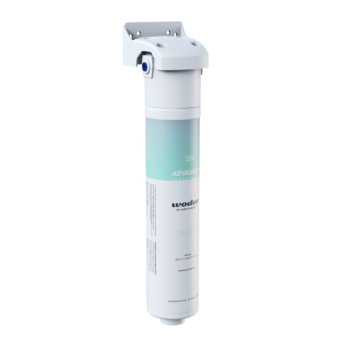
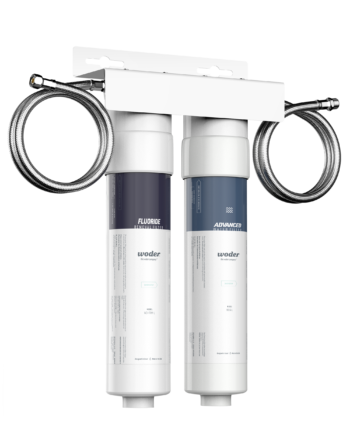
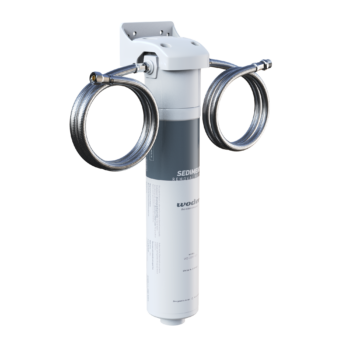
Woder’s under-sink and inline systems use a media that reduces lead, chlorine and PFAS while keeping calcium and magnesium. There’s no wastewater and no extra faucet, and most people install it themselves in under an hour. The base media carries the WQA Gold Seal. See the under-sink water filter systems.
Aquasana
Aquasana sells under-sink, countertop and whole-home systems at mid-range prices. [Add 2 facts from aquasana.com: certification, price.] Read our full Aquasana water filter review.
Clearly Filtered
Clearly Filtered focuses on pitchers and under-sink units with long contaminant lists. [Add 2 facts from the brand’s site.]
iSpring
iSpring is best known for budget RO systems. [Add 2 facts.] Also see our Waterdrop review if you’re comparing budget brands.
Pentair vs. Mineral-Preserving Filters: The Core Question
The decision between Pentair and a selective filtration alternative comes down to what you’re actually trying to accomplish.
If you need to reduce total dissolved solids across a whole home, or if you’re dealing with contamination severe enough to require an RO membrane, Pentair is a capable system. The professional installation cost and the mineral loss are the price of that thoroughness.
If your goal is to remove specific contaminants — lead, chlorine, PFAS, heavy metals — while keeping the water’s natural mineral content intact, and to do it without a plumber and without a system that costs several hundred dollars before installation, then selective filtration is a better match for what you actually need.
Most households fall into that second category. Municipal water in the United States is treated, which means contamination concerns are typically targeted, not total. You don’t need to strip everything out of your water to make it safe. You need to remove the specific things that shouldn’t be there.
Final Verdict: Is Pentair Worth the Premium?
Pentair builds quality products, and the brand’s credibility is earned. But “worth it” depends entirely on your situation.
For a homeowner with a large budget, a complex water problem, and a plumber they trust, Pentair can be a sound investment. For the majority of households — renters, DIY buyers, and anyone who wants clean water without sacrificing beneficial minerals — the premium price and installation requirements are hard to justify when selective filtration alternatives exist at a lower price point with no professional installation required.
Before committing to a Pentair system, be clear about what you’re actually filtering for. If the answer is targeted contaminant removal with mineral retention, you have better options. If the answer is whole-home total dissolved solids reduction, Pentair belongs in the conversation.
| Pentair | Mid-range under-sink | Woder | |
| Upfront price | High | Medium | Medium |
| Install | Often a plumber | DIY or plumber | DIY |
| Keeps minerals | Depends on model (RO: no) | Depends | Yes |
| Wastewater | RO models: yes | Depends | No |
| Yearly upkeep | High | Medium | Medium |
Most Pentair water filtration system reviews agree on build quality. The real question is whether you need whole-home or commercial-grade gear. If you do, Pentair earns its price. For a Pentair home water filter that only serves the kitchen tap, there are cheaper ways to get there.
Frequently Asked Questions
Is Pentair a good water filter brand?
Pentair is a well-established brand with a long history in water treatment. Their products are well-built and their certifications are legitimate. Whether they’re the right choice depends on your specific needs, budget, and whether professional installation is something you’re prepared for.
Does Pentair use reverse osmosis?
Some Pentair systems use reverse osmosis technology. RO filters remove a wide range of dissolved solids but also strip beneficial minerals like calcium and magnesium in the process. If mineral retention matters to you, that tradeoff applies regardless of brand.
Does Pentair remove PFAS?
Pentair’s reverse osmosis systems and some carbon block models are designed to reduce PFAS compounds, though performance varies by model and the specific PFAS compounds present. Always check the performance data sheet for the model you’re considering.
What is the difference between Pentair and selective filtration?
Pentair’s RO systems remove nearly all dissolved content, including beneficial minerals. Selective filtration — like the approach used by Woder Filters — targets specific contaminants while preserving naturally occurring minerals. The right choice depends on whether you need total dissolved solids reduction or targeted contaminant removal.
Can I install a Pentair filter myself?
Some Pentair under-sink filters allow DIY installation, but their whole-home and RO systems typically require a professional. If you want a no-plumber setup, look for filters designed for direct water-line installation.
How often do Pentair filters need to be replaced?
Replacement intervals vary by model and water quality, but most Pentair filter cartridges need replacement every six to twelve months. Whole-home systems may have different schedules for sediment pre-filters versus carbon stages. Follow the manufacturer’s guidelines for your specific model.
Is there a water filter that removes contaminants without removing minerals?
Yes. Selective filtration systems are designed specifically for this purpose. Woder Filters uses Advanced Selective Filtration technology to remove lead, chlorine, PFAS, mercury, chromium 6, and other contaminants at a stated rate of 99.9%, while retaining calcium, magnesium, and other beneficial minerals. You can explore the full product range at woder.com.
How much does a Pentair whole house system cost?
Expect roughly [$X to $Y] for the equipment and $300 to $1,500 for professional installation, depending on your plumbing. Media and prefilters add [$X] per year. Always get a written quote that includes the bypass valve and the first year of maintenance.
Is Pentair better than a selective filtration system?
It depends on what you need. Pentair is strong on whole-home and RO gear. A selective filtration system is simpler for drinking supply at the kitchen tap: it keeps minerals, produces no wastewater and installs without a plumber. Compare the certified contaminant lists for the exact models before you decide.