- What Aquasana Makes and Who It's For
- How Aquasana Filters Perform
- Aquasana Whole-House Rhino: Specific Notes
- Aquasana vs. Reverse Osmosis Systems
- What Aquasana Does Well
- Where Aquasana Falls Short
- The Mineral Retention Question
- How Woder Compares
- Who Should Buy Aquasana
- Aquasana Review Summary
- Frequently Asked Questions
- Final Verdict
Aquasana is one of the most searched water filter brands in the US, and for good reason — people want a straight answer before spending real money. This review covers how Aquasana's main systems actually perform, where they fall short, and how they compare to other approaches so you can make a confident call.
What Aquasana Makes and Who It’s For
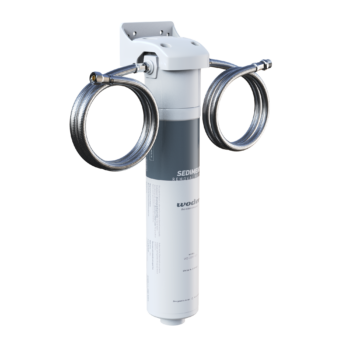
Aquasana covers a lot of ground: under-sink filters, whole-house systems, countertop pitchers, shower filters, and reverse osmosis units. Their most popular products sit in the under-sink and whole-house categories.
The flagship under-sink option is the Claryum Direct Connect, which runs water through a multi-stage process combining activated carbon, catalytic carbon, and a sub-micron filter. On the whole-house side, the Rhino line is built for homeowners who want filtered water at every tap, not just the kitchen.
The core audience is health-conscious homeowners who are done paying for bottled water or worried about tap water quality but don't want to hire a plumber every time something needs attention. Aquasana positions itself as a mid-to-premium brand, and the pricing reflects that.
How Aquasana Filters Perform
Contaminant Reduction
Aquasana publishes NSF certifications for several of its systems, and those certifications carry real weight. Their Claryum technology is certified to reduce chlorine, chloramines, lead, mercury, VOCs, pesticides, pharmaceuticals, and cysts — which covers the most common concerns for municipal water users.
The catalytic carbon stage is worth calling out specifically. Standard activated carbon handles chlorine well but struggles with chloramines. If your utility uses chloramines for disinfection rather than chlorine, that distinction matters more than most buyers realize.
The notable gap is fluoride. Standard Claryum systems don't remove it. You can add a separate fluoride filter module, but that adds cost and reduces flow rate. If fluoride removal is a priority, factor that into your budget before you buy.
Flow Rate and Pressure
All under-sink filters reduce flow rate to some degree. The Claryum Direct Connect holds up reasonably well, maintaining usable pressure for most kitchen setups. The OptimH2O reverse osmosis system is slower by design — that's true of every RO system — but it does include a remineralization stage that adds calcium and magnesium back into the water.
Whole-house Rhino systems are rated for high flow to serve multiple fixtures at once. Real-world performance depends on your incoming water pressure and pipe diameter, so check those specs against Aquasana's requirements before purchasing.
Filter Lifespan and Replacement Costs
Under-sink cartridges are rated for six months or 500 gallons, whichever comes first. For a household of four, that usually means two replacements a year. Rhino pre-filters need attention every three months, while the main tank is rated for a much longer service life.
Replacement costs are one of the most consistent complaints in user reviews, and it's a fair one. The upfront system price is only part of what you'll spend. Calculate annual replacement costs before comparing Aquasana to anything else.
Aquasana Whole-House Rhino: Specific Notes
The Rhino is widely considered Aquasana's strongest product. It uses a two-stage setup — a sediment pre-filter followed by a main tank with copper-zinc and activated carbon media — that handles chlorine, chloramines, heavy metals, and sediment effectively.
The practical catch is installation. Cutting into your main water line isn't a weekend DIY project for most homeowners, and a plumber adds to the total cost. Budget for that upfront.
The Rhino also doesn't soften water. If you have hard water, you'll need a separate softener running alongside it, which means more equipment and more space in your utility room.
Aquasana vs. Reverse Osmosis Systems
RO systems from brands like APEC or iSpring remove a broader range of contaminants than carbon-based filters — including nitrates, arsenic, and fluoride. The trade-offs are real though: RO systems reject a significant percentage of incoming water, output is slower, and they strip out beneficial minerals along with contaminants.
Aquasana's OptimH2O addresses the mineral problem with a remineralization cartridge, but it still produces water more slowly than a standard under-sink filter and generates wastewater in the process.
For households on well water with serious contamination concerns, RO may be the right call despite those trade-offs. For municipal water users primarily concerned about chlorine, chloramines, lead, and taste, a high-quality under-sink filter is usually the more practical choice.
What Aquasana Does Well
- NSF-certified contaminant reduction across multiple categories
- Effective chloramine reduction, which many filters don't address
- Consistent taste improvement in user reports
- A broad product lineup that covers most household needs
- Wide retail availability, making replacement filters easy to find
Where Aquasana Falls Short
- No fluoride removal on standard under-sink models without an add-on
- Replacement filter costs run higher than some competitors
- Whole-house installation requires a plumber for most homeowners
- No remineralization on standard under-sink filters — only on the OptimH2O RO model
- Customer service quality is inconsistent, with some users reporting slow response times
The Mineral Retention Question
A common concern among filter shoppers is whether filtration strips out beneficial minerals like calcium and magnesium. It's a legitimate question. Those minerals enter water naturally as it moves through geological formations before reaching treatment plants, and they contribute to both taste and, according to some research, health.
Standard carbon filtration — including Aquasana's Claryum technology — doesn't remove dissolved minerals. They stay in the water. That's a meaningful advantage over reverse osmosis, which removes everything and requires a remineralization stage to add minerals back.
If mineral retention matters to you, it's worth weighing seriously when comparing systems.
How Woder Compares
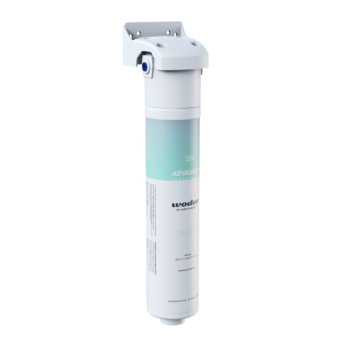
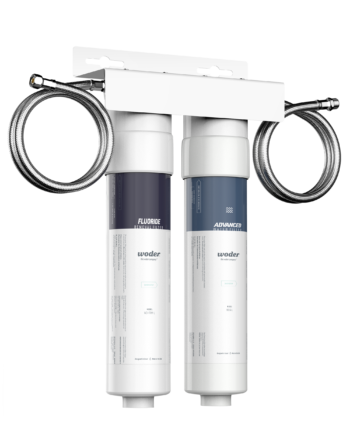
If you're evaluating Aquasana, it's worth understanding how other under-sink approaches work. Woder Filters uses a different technology called Advanced Selective Filtration, which relies on nanoparticles to attract and remove specific contaminants rather than pushing all water through a dense carbon block. The design goal is targeted removal: contaminants come out, beneficial minerals stay in.
Woder's filters install inline, connecting directly into your existing water line without requiring a dedicated faucet or a complicated under-sink setup. For renters or homeowners who want a cleaner installation, that's a real advantage. The approach also avoids the water waste that comes with reverse osmosis.
Where Aquasana has the edge is brand recognition, a broader product lineup, and prominently documented NSF certifications. Where Woder's approach differs is in the filtration mechanism itself and the inline format — which suits different households depending on their setup and priorities.
Who Should Buy Aquasana
Aquasana is a strong fit if you:
- Want a whole-house filtration system and are comfortable with professional installation
- Need NSF-certified contaminant reduction for municipal water
- Are specifically concerned about chloramines
- Want a countertop or shower filter from the same brand as your under-sink system
It's less ideal if you:
- Need fluoride removal without adding an extra module
- Want a simple inline installation without a dedicated faucet
- Are watching your budget and want to keep replacement costs low
- Have well water with complex contamination that requires broader-spectrum removal
Aquasana Review Summary
Aquasana makes genuinely capable water filters. The NSF certifications are real, the chloramine performance is above average for the category, and the Rhino whole-house system is one of the more respected options in its price range. The brand's reputation is built on consistent performance, not just marketing.
The weaknesses are real too. Fluoride removal requires an add-on, replacement costs are higher than some alternatives, and whole-house installation means hiring a plumber. None of those are dealbreakers for the right buyer — but they matter for the wrong one.
Before committing to any filter system, pull your local water quality report. Your utility is required to publish one annually, and it tells you exactly what's in your water. That report should drive your filter choice far more than brand recognition.
Frequently Asked Questions
Does Aquasana remove fluoride?
Standard Aquasana under-sink filters using Claryum technology do not remove fluoride. Aquasana sells a separate fluoride filter add-on that can be paired with their under-sink systems. If fluoride removal is a priority, confirm you're buying the right configuration before purchasing.
How long do Aquasana filters last?
Under-sink cartridges are rated for six months or 500 gallons. Rhino whole-house pre-filters need replacement every three months, while the main filtration tank has a longer service life. Actual lifespan depends on your water quality and how much your household uses.
Does Aquasana remove beneficial minerals from water?
No. Aquasana's carbon-based systems don't remove dissolved minerals like calcium and magnesium — they stay in the water. That's one advantage over reverse osmosis systems, which strip minerals out and need a remineralization stage to add them back.
Is Aquasana NSF certified?
Yes. Several Aquasana products carry NSF certifications for specific contaminant reduction categories, including NSF/ANSI 42 and 53. Check the documentation for the specific product you're considering, since certifications vary across the lineup.
How does Aquasana compare to reverse osmosis filters?
Aquasana's carbon-based filters are faster, waste no water, and retain minerals — but they don't remove contaminants like nitrates, arsenic, or fluoride that RO systems handle. RO offers broader removal but produces water slowly and wastes a portion of incoming water. The right choice depends on what's actually in your water.
Can I install an Aquasana under-sink filter myself?
Aquasana's under-sink systems are designed for DIY installation and come with instructions. Most homeowners with basic plumbing comfort can get it done in under an hour. The Rhino whole-house system is a different story and typically requires a licensed plumber.
What's a good alternative to Aquasana for under-sink filtration?
Several brands compete in this space, including iSpring, Waterdrop, and Woder. Woder Filters uses an inline installation format and Advanced Selective Filtration technology designed to remove contaminants while keeping beneficial minerals intact — a good fit for homeowners who want a simpler setup than a dedicated under-sink system with a separate faucet.
Final Verdict
Aquasana earns a recommendation for the right buyer: municipal water users who want certified chloramine and lead reduction, homeowners open to professional installation for a whole-house system, or anyone who wants a broad product ecosystem from a single brand. It's not the right fit for everyone, and the fluoride gap and ongoing replacement costs are worth knowing before you commit.
Pull your local water quality report, compare certified reduction lists across brands, and choose the system that matches what's actually in your water. If you want to see how a different filtration approach handles the same problem, Woder Filters is worth a look alongside Aquasana.