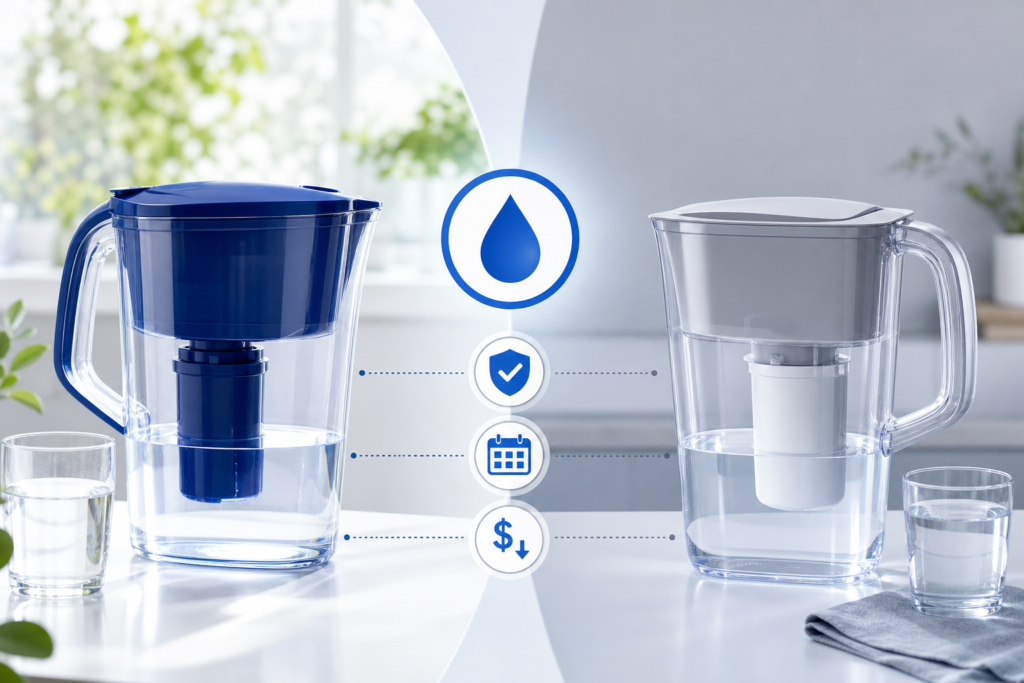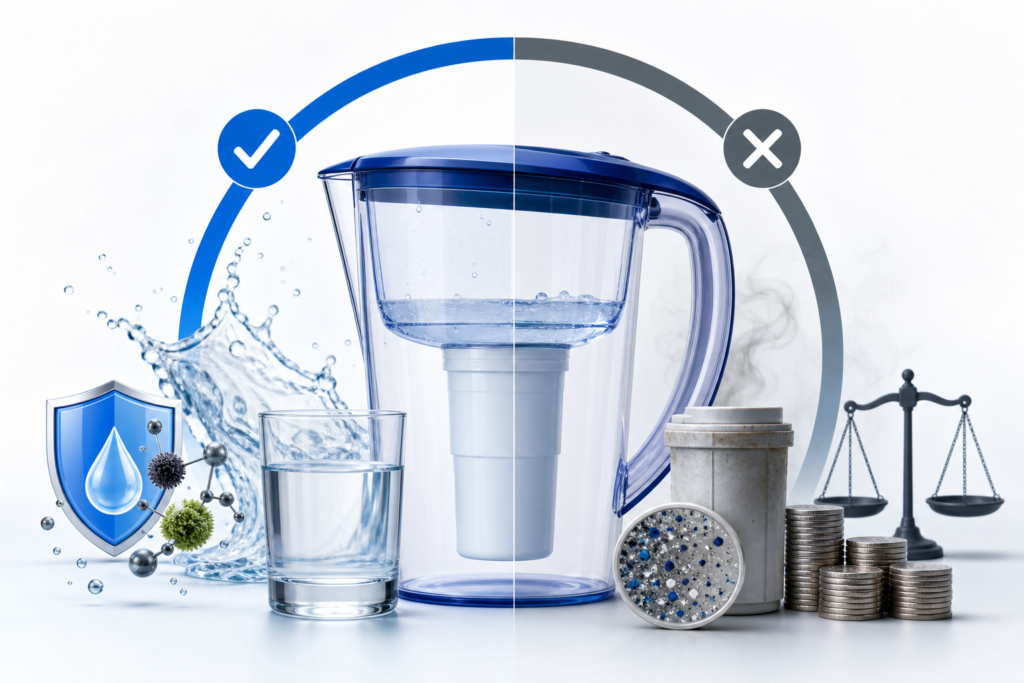
Most advice about water treatment starts with a false choice: filtered water vs purified water as if one is the upgraded version of the other. That's the wrong frame. The question is what you want removed from your water, and what you want to keep in it.
A lot of homeowners run into this confusion because the labels sound familiar and the packaging looks confident. But filtered and purified point to different treatment goals. One usually aims at taste, odor, and selected contaminants. The other aims at broader contaminant removal, often at the cost of stripping out minerals too.
| Category | Main goal | Typical effect on minerals | Common examples |
|---|---|---|---|
| Filtered water | Reduce specific contaminants, improve taste and odor | Usually keeps naturally occurring minerals | Carbon filters, sediment filters, selective media |
| Purified water | Remove a wider range of substances | Often removes most dissolved minerals | Reverse osmosis, distillation, multi-stage purification |
Table of Contents
- Why the Labels Confuse Most People
- What Each Category Actually Means
- How Each Method Handles Common Contaminants
- The Mineral Question Most Comparisons Skip
- Side-by-Side at the Kitchen Tap
- Matching the Right Approach to Your Home
- A Practical Decision Framework
- Questions Homeowners Actually Ask
Why the Labels Confuse Most People
A filter and a purifier can both sit under your sink, connect to the same cold line, and promise cleaner water. That overlap is exactly why the labels blur together. The words point to different treatment goals, though, and that difference matters if you care more about better taste, less sediment, or much deeper contaminant reduction.
The shortest useful distinction
Filtered water usually means water passed through a medium that targets specific nuisance contaminants, like sediment, chlorine, or certain odors. In plain English, the system is designed to improve the parts of the water you notice first, especially taste and appearance, without trying to strip away everything dissolved in it.
Purified water goes further. Water.com describes purification systems as removing 90% to 95% of all contaminants, including bacteria and viruses, while filtration is described more as improving taste and odor and reducing certain contaminants rather than removing nearly everything, and also notes that purification can remove toxic metals such as lead and copper, plus trace pharmaceuticals (Water.com).
Practical rule: If the main goal is better-tasting water, a filter may be enough. If the goal is broader contaminant reduction, you are in purification territory.
That is the shift in how to read the labels. The question is not which word sounds better. It is what you want the system to remove, and what you want it to leave behind at the tap.
Marketing language blurs that line. One system may do a strong job with chlorine and sediment, another may push dissolved solids much lower, and both may still be sold as “better water.” If you want to judge the category correctly, the label matters less than the treatment method underneath it.
For a fuller look at why TDS and ppm are not a reliable shortcut for water quality, see Woder's explanation.
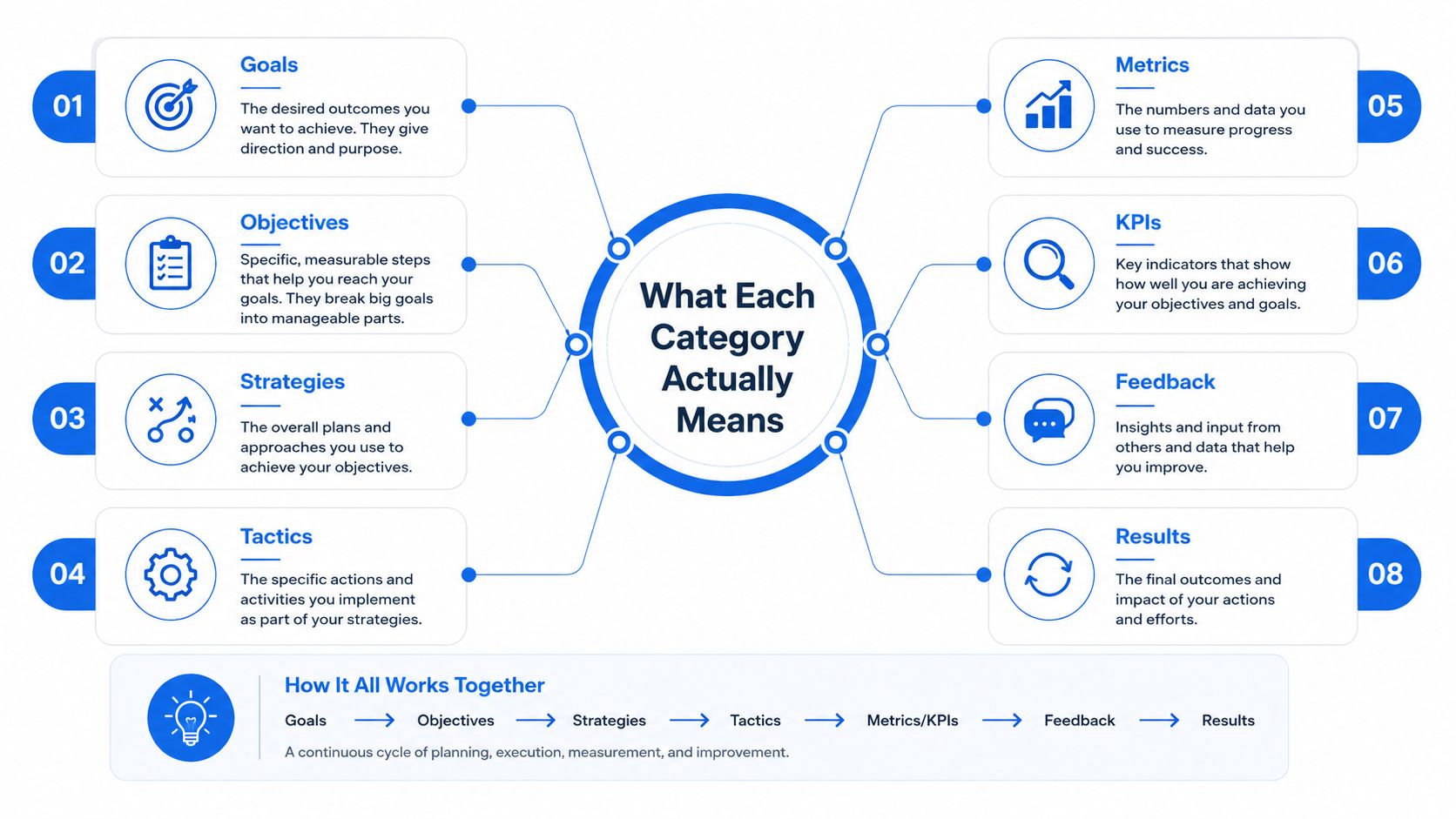
What Each Category Actually Means
Filtered water
Filtered water is water that has passed through a media designed to reduce specific contaminants. In plain terms, that usually means activated carbon, sediment media, or another selective layer that improves taste, odor, and appearance while generally leaving the water's natural minerals in place. If you want the mechanics behind that process, how water filters work gives a helpful plain-English overview.
That is why filtered water often fits everyday drinking and cooking. It changes the water enough to make it more pleasant, but it does not try to strip away everything dissolved in it. For many households, that is the point.
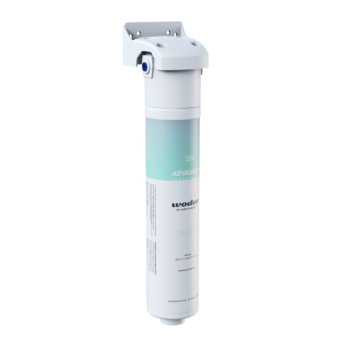
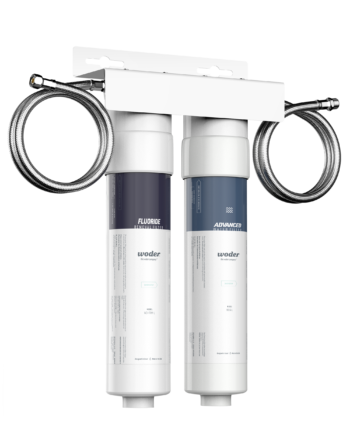
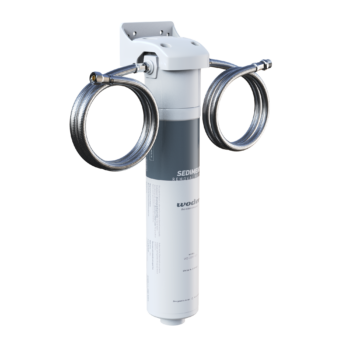
The Woder approach fits this middle ground. Woder Sediment Removal and Advanced Dual Filtration System is a U.S.-made under-sink water filter described as combining a 20µ sediment removal first stage with ADV Filtration, with listed performance for lead, PFAS, chlorine, chromium 6, copper, nitrates, chloramines, VOCs, odors, bad tastes, and other contaminants. Its second-stage cartridge is described as WQA certified to NSF/ANSI 42 for chlorine taste and odor and NSF/ANSI 372 for lead-free compliance, which shows how a selective filtration setup can target contaminant reduction without aiming for demineralized water.
Purified water
Purified water is a broader treatment category. It can include filtration, distillation, reverse osmosis, disinfection, sedimentation, coagulation, and flocculation, with the goal of removing a wider range of substances including inorganic minerals and organic materials. That broader scope is why purified water is often the term used when someone wants more than taste improvement.
A useful benchmark appears in USP-style usage, where water labeled purified must contain fewer than 10 ppm total dissolved solids (TDS) (Water Filter Advisor). That does not mean every purifier works the same way, but it gives a reference point for what purification is trying to accomplish. The target is very low dissolved material.
Reverse osmosis is one of the most common purification methods in homes and small offices. Crystal Quest reports that RO blocks 95% to 99% of dissolved contaminants, including lead, arsenic, PFAS, fluoride, nitrates, microplastics, and most bacteria and viruses (Crystal Quest). That level of reduction is why so many people choose it when their water concerns go beyond chlorine taste or sediment.
If you need a plain-English sentence for the difference, this works: filtered water reduces selected contaminants while usually keeping minerals, purified water aims for much broader contaminant removal and often removes minerals too.
How Each Method Handles Common Contaminants
What gets handled well, and what doesn't
The confusion usually disappears once you stop asking “Which is better?” and start asking “Which contaminant am I trying to deal with?” A carbon filter can improve chlorine taste and some organic compounds very well, but it isn't designed to do the same job as reverse osmosis on dissolved inorganic contaminants. That's the practical split.
The BBC noted that under-sink reverse osmosis and two-stage filters can remove nearly all PFAS tested, and it also pointed out that water sitting in faucets or under-sink filters overnight can show higher bacterial concentrations, which makes system design and maintenance part of the safety conversation too (BBC Future). That's a good reminder that the label on the box is only part of the story.
Standard filtration is often strong on chlorine, taste, odor, and visible sediment. Purification, especially RO or distillation, goes much further on dissolved contaminants such as lead, PFAS, fluoride, and nitrates. That's why households worried about multiple contaminant types often end up comparing more than one treatment path before they buy.
| Contaminant | Standard Filtration | Purification (RO/Distillation) |
|---|---|---|
| Chlorine | Often reduces taste and odor well | Also reduces it well |
| Lead | May reduce some forms depending on media, but not the same as purification | Stronger reduction, especially with RO |
| PFAS | Some selective systems perform well, but not all filters do | Strong reduction reported for RO and two-stage systems |
| Fluoride | Usually not the main strength of standard filtration | RO is commonly used for this |
| Chromium-6 | Usually not a standard filter's main target | Purification methods are commonly chosen for deeper dissolved contaminant reduction |
| Bacteria and viruses | Depends on system design, not just the label | Purification systems are more often built for broader removal |
If you care about more than one contaminant family, that’s where the conversation changes. A basic filter might solve one annoyance and leave the actual concern untouched. A purifier may solve more, but often by taking minerals out too.
For readers who also think about taste in beverages, water choice affects more than drinking straight from the glass. A separate guide on improve coffee flavour with water can be useful because mineral content changes extraction, which is one reason this topic shows up so often in kitchens and coffee corners.
The Mineral Question Most Comparisons Skip
Why zero TDS is not the same as better water
The easiest mistake to make is treating a low or zero TDS reading like a scorecard for better water. TDS, or total dissolved solids, measures everything dissolved in the water, not just the things people usually worry about. That includes minerals such as calcium and magnesium, which help shape how water tastes and how it behaves in the home.
A zero reading, then, does not mean the water is automatically cleaner in every meaningful sense. It means the water has been stripped of dissolved material, the helpful parts and the unwanted parts together. That is why zero-TDS water sits much closer to distilled water than to ordinary drinking water, and why the meter alone cannot tell you whether the water fits your household needs.
Simple takeaway: TDS tells you how much is dissolved, not whether what is dissolved is a problem.
Purified water is generally associated with very low mineral content because purification is built to remove dissolved material more aggressively than standard filtration. That is the point of the method. It aims for broader reduction, often through reverse osmosis or distillation, so the result ends up with far less of what was originally in the water.
Filtered water usually keeps naturally occurring minerals such as calcium and magnesium in place. That matters because those minerals contribute to taste, and taste is one reason people keep or skip water systems once they start using them. It also matters in the kitchen. Coffee, tea, broth, and dough can all respond differently depending on how much mineral content remains in the water.
If you have ever wondered why one sample looks better on a meter but does not seem better in a glass, the answer is often that the meter is measuring quantity, not quality. A useful plain-English explanation is in this guide on why TDS PPM rate is not an effective indication of water quality.
The choice is whether you want a system that keeps minerals while reducing nuisance contaminants, or one that removes a much larger share of dissolved material overall. That tradeoff is easy to miss if the conversation stays stuck on labels.
Side-by-Side at the Kitchen Tap
What changes in daily use
The differences show up quickly once water leaves the faucet. Filtered water usually tastes fuller because minerals remain, so it can feel closer to the water people expect to drink every day. Purified water often tastes flatter, which some people prefer and some do not.
Here’s the kitchen-table version of the comparison:
| Everyday factor | Filtered water | Purified water |
|---|---|---|
| Taste | Often fuller, because minerals remain | Often flatter, because minerals are removed |
| Odor | Can improve noticeably | Also improves, usually more broadly |
| Cooking | Keeps mineral profile closer to source water | Produces a more stripped-down water profile |
| System upkeep | Usually simpler | Often more involved |
| Water waste | Typically none in a point-of-use filter | RO systems can waste water during treatment |
| Storage | Often direct-to-tap | RO setups often use a tank |
That makes filtration a common choice when the main issue is chlorine taste or sediment, while purification appeals more when the goal is a deeper reduction in dissolved contaminants. The right answer depends on the water source and the household’s priorities.
RO systems also tend to require more maintenance than simple point-of-use filters, and they often need a storage tank. That comes from how the technology works, as explained in this overview of reverse osmosis water filters. In a small kitchen, that difference can matter more than people expect.
Water that tastes better is water people actually drink.
If you’re looking at a kitchen remodel or replacing old fixtures, it helps to treat water treatment the same way you treat sinks and faucets. The practical fit matters. A resource on bath kitchen project ideas can be useful if you’re already planning under-sink space and fixture changes at the same time.
Matching the Right Approach to Your Home
Three common household situations
A renter on municipal water who mainly wants less chlorine taste usually has a different need than a homeowner on well water. That sounds obvious, but a lot of shopping overlooks it. The best system is the one that fits the actual water coming into the home, not the one with the broadest-sounding label.
A family with well water may care about sediment, taste, and microbiological risk in a way that makes broader purification more appealing. A person on municipal water with ordinary taste concerns may only need selective filtration at the tap. A homeowner with documented PFAS or lead concerns sits between those two, because the issue isn’t just flavor, it’s the contaminant profile.
That’s where selective filtration earns attention. Woder’s point-of-use approach, for example, is built around removing contaminants like lead, PFAS, chromium 6, chlorine, and heavy metals while leaving essential minerals in place. That middle ground matters for people who want meaningful contaminant reduction without turning their drinking water into demineralized water.
The bigger lesson is simple. Water treatment is not a ranking contest. It’s a fit problem.
Some households also care about installation, U.S. manufacturing, and building-code compliance. Those details don’t tell you whether the water is safer by themselves, but they do matter when you want a system that’s designed for American homes and plumbing conditions. That’s one reason under-sink and inline systems have become so common in everyday use.
If you’re narrowing choices, think in this order:
- Start with your water source: Municipal and well water bring different issues.
- Then name the contaminant: Chlorine, lead, PFAS, fluoride, chromium 6, or something else.
- Then decide what you want to keep: Minerals, taste, and water simplicity matter too.
A Practical Decision Framework
The cleanest way to choose
There are really three honest paths here. Standard filtration makes sense when you want better taste and nuisance-contaminant reduction. Purification makes sense when you want maximum contaminant removal and you’re comfortable with mineral loss and the extra complexity that comes with it. Selective filtration sits in the middle when you want substantial contaminant reduction without stripping out the minerals.
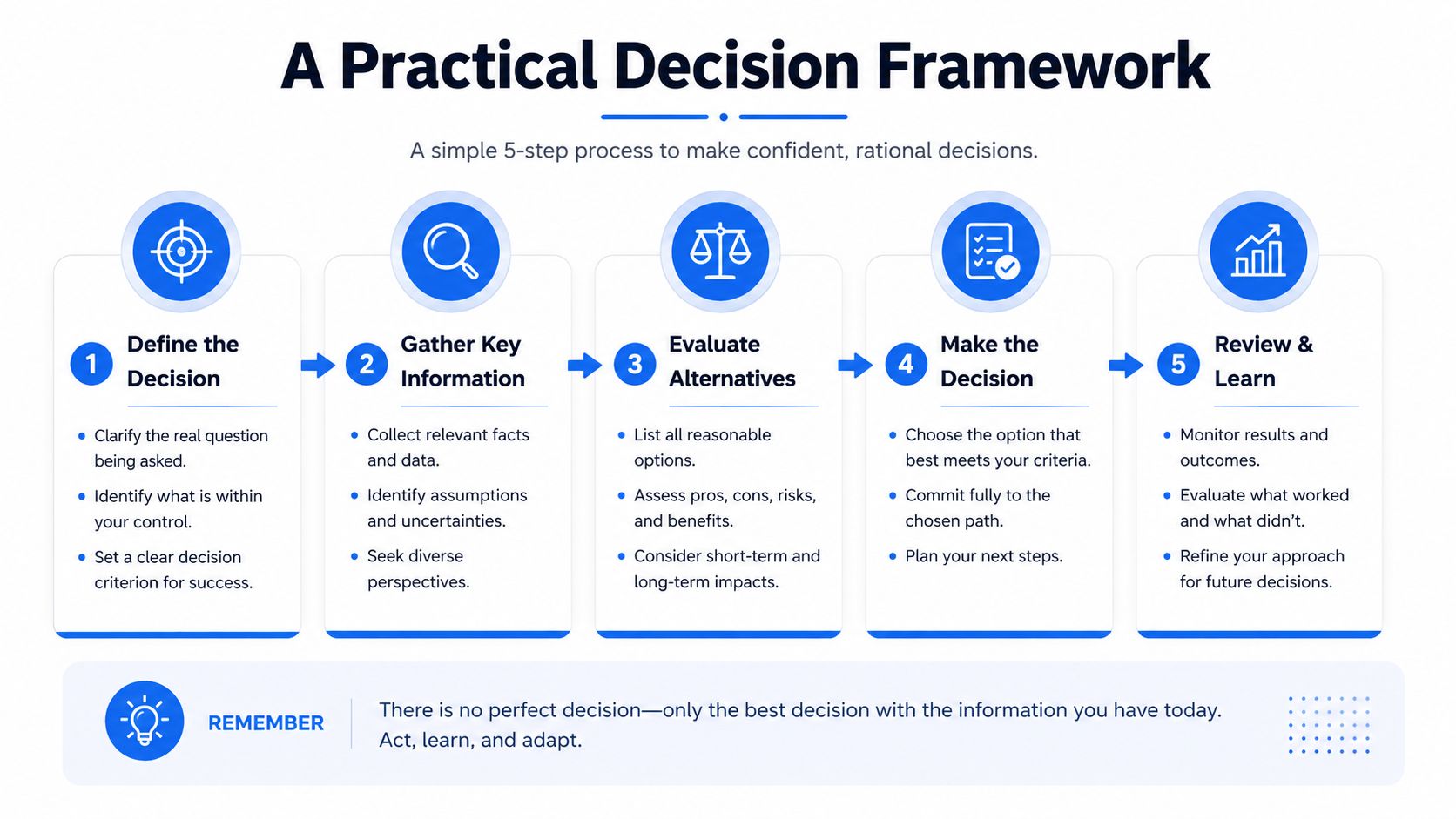
If you want the shortest version, use this:
- Choose filtration if taste, chlorine, and sediment are the main problems.
- Choose purification if your main concern is broader dissolved contaminant reduction.
- Choose selective filtration if you want a strong middle ground, especially for lead, PFAS, chlorine, and similar concerns.
The right answer still depends on your incoming water quality, your plumbing setup, your household size, and how you use water every day. A faucet used mostly for drinking and coffee doesn’t need the same setup as a line feeding a whole family’s daily cooking and hydration.
The best system is the one that matches the water you have, not the one with the loudest promise.
That’s the useful way to think about it. The label on the box matters less than the treatment goal underneath it.
Questions Homeowners Actually Ask
Is filtered water safer than purified water?
Sometimes, but the answer depends on the contaminant and the system, not the label on the package. If the main issue is chlorine taste or everyday nuisance contaminants, filtration may be enough. If the concern is dissolved contaminants like lead, PFAS, or fluoride, purification usually does more.
Does bottled water count as purified water?
Not automatically. Bottled water can come from different sources and use different treatment methods, so the bottle itself does not tell you much. The process matters more than the container.
What does NSF certification tell me?
It tells you the product has been tested against a defined standard, which helps move the conversation away from marketing language. The important detail is which standard was tested and what the certification covers.
Can a filter replace a purifier?
Sometimes yes, sometimes no. If your concern is mainly taste, odor, or selected contaminants, a filter can be enough. If you want broader dissolved contaminant reduction, a purifier is the more direct tool.
Woder Filters builds point-of-use systems for homeowners who want to reduce contaminants without stripping away the minerals that keep water tasting like water. If you are comparing filtered water vs purified water for your own home, visit Woder Filters to look at selective filtration options and decide what fits your tap, your water, and your routine.