- Lead in Water Has No Reliable Taste or Smell
- So What Does Cause a Metallic Taste in Water?
- Why Your Senses Can't Protect You Here
- Is Metallic-Tasting Water Bad for You?
- The Only Reliable Way to Know: Test Your Water
- What to Do If You Suspect Lead in Your Water
- FAQs
You notice something off about your tap water. Maybe it tastes faintly metallic, or there's a hint of something you'd describe as pennies or blood. Your first thought: is there lead in this water?
It's a reasonable question. And the honest answer might surprise you.
Lead in Water Has No Reliable Taste or Smell
Here's what most people don't know: lead is colorless, odorless, and tasteless at the concentrations typically found in household tap water. You cannot detect it by taste, smell, or appearance. It simply doesn't announce itself.
That metallic taste you're noticing? It's real, and it's worth paying attention to. But lead almost certainly isn't causing it.
So What Does Cause a Metallic Taste in Water?
A metallic taste usually points to one of a few other culprits:
- Iron or manganese leaching from aging pipes or well water sources
- Copper from household plumbing, especially in newer homes where pipes haven't fully oxidized
- Zinc from galvanized pipes or fittings
- Chlorine byproducts that can produce a sharp, chemical-adjacent taste
- Low pH water that's slightly acidic and more reactive with metal plumbing
Some people describe iron-heavy water as tasting like blood or pennies. That's a real sensory experience — it's your pipes talking. But it's not lead.
Lead pipes and lead solder don't produce a distinctive flavor at typical exposure levels. That's part of what makes lead contamination so difficult to catch without testing.
Why Your Senses Can’t Protect You Here
Your senses are genuinely useful for some water quality problems. You can smell chlorine. You can taste iron. You can see sediment or discoloration.
But lead doesn't play by those rules. It's a heavy metal that dissolves into water at concentrations too low to taste, yet still high enough to cause harm over time. The same is true for PFAS, chromium 6, and many volatile organic compounds — none of them have a reliable sensory signature.
Water quality experts are consistent on this point: taste, smell, and appearance are poor proxies for safety. Water can look and taste perfectly clean and still contain contaminants you'd want removed.
What About the “Water Tastes Like Blood” Sensation?
If your water tastes like blood, elevated iron is the most likely explanation — not lead. Iron gives water that distinctive metallic, copper-penny flavor. Unpleasant, but a different kind of problem.
That said, if your home has older plumbing, both issues can coexist. Homes built before 1986 are more likely to have lead solder or lead service lines. If yours is one of them, the absence of a metallic taste doesn't mean you're in the clear.
Is Metallic-Tasting Water Bad for You?
It depends on the source. A faint metallic taste from trace copper or iron is usually not a serious health concern at low levels. But if the taste is strong, persistent, or you're in an older home, it's worth investigating.
The bigger concern is what you can't taste. Lead exposure has well-documented health effects, particularly for children and pregnant people. The fact that lead-contaminated water often tastes completely normal is exactly why relying on your senses alone is a mistake.
The Only Reliable Way to Know: Test Your Water
If you're genuinely concerned about lead, testing is the only way to be certain. Home water testing kits can screen for lead and other common contaminants. Woder's site includes a water testing tool alongside their product resources, so you can understand what you're dealing with before choosing a filter.
For a more detailed picture, certified lab testing gives you a full breakdown of what's actually in your water supply.
What to Do If You Suspect Lead in Your Water
Testing confirms the problem. Filtration solves it.
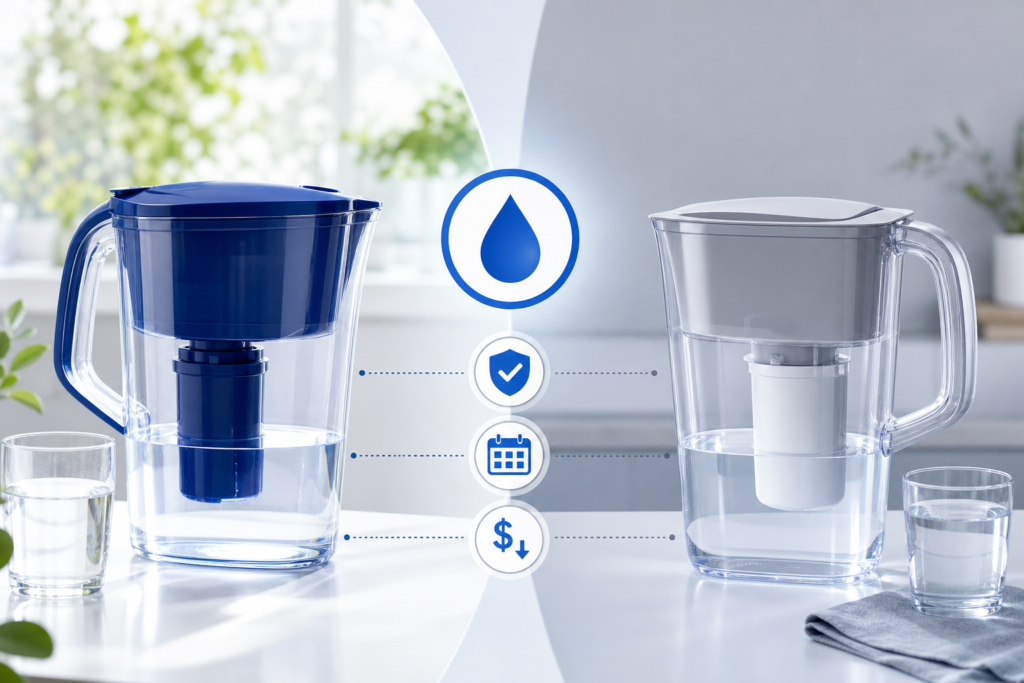
A quality inline or under-sink filter specifically rated for lead removal is the most practical protection for most households — but not all filters handle lead equally well. Basic carbon pitcher filters typically don't remove lead at meaningful levels. Reverse osmosis systems do remove lead, but they also strip out beneficial minerals like calcium and magnesium, produce wastewater, and require more involved installation.
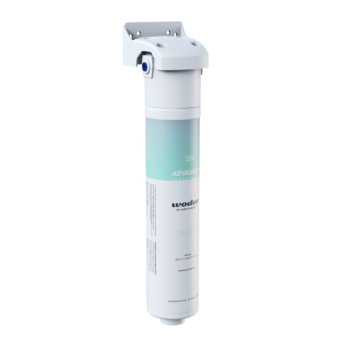
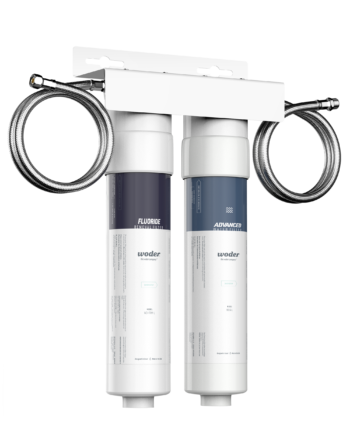
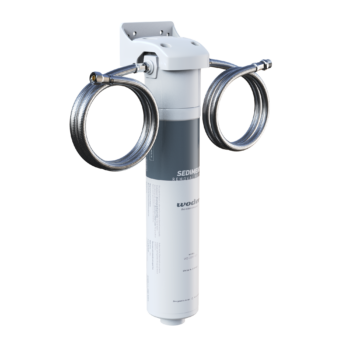
Woder's Advanced Selective Filtration takes a different approach. It uses nanoparticles to attract and remove 99.9% of contaminants — lead, PFAS, chromium 6, mercury, VOCs — while leaving naturally occurring minerals intact. Lead gone. Calcium and magnesium still there.
Filters install directly into your existing water line. No plumber, no tank, no whole-home overhaul. Built in the US, installed in minutes, trusted for years.
Remove the bad. Keep the good. That's the Woder difference.
Ready to find the right filter for your home? The Woder product Wizard at woder.com/wizard walks you through your options based on your household's flow rate and filtration needs.
FAQs
Does lead in water have a taste or smell?
No. Lead is colorless, odorless, and tasteless at the concentrations typically found in household tap water. Your senses can't detect it. Testing is the only reliable way to know if lead is present.
What does it mean when water tastes metallic?
A metallic taste usually comes from iron, copper, zinc, or manganese leaching from pipes or plumbing fixtures. Chlorine byproducts and low pH water can also be factors. Worth investigating — but not a reliable indicator of lead specifically.
Can water taste completely normal and still contain lead?
Yes, and this is one of the most important things to understand about lead in tap water. Water can look clear, smell fine, and taste neutral while still containing lead at levels that pose real health risks over time.
Is metallic-tasting water bad for you?
It depends on the source and concentration. Trace iron or copper at low levels is generally not a serious health risk. But a persistent or strong metallic taste warrants testing, especially in older homes where lead pipes or solder may be present.
What's the best way to remove lead from tap water?
A filter specifically rated for lead removal is the most practical option for most households. Look for inline or under-sink filters that target lead directly. Woder's Advanced Selective Filtration removes 99.9% of contaminants including lead while preserving beneficial minerals — and installs without a plumber.
Do pitcher filters remove lead?
Most basic carbon pitcher filters aren't rated to remove lead at meaningful levels. If lead removal is a priority, you need a filter specifically designed and tested for that purpose — not a standard countertop pitcher.
How do I know if my home is at higher risk for lead in water?
Homes built before 1986 are more likely to have lead solder or lead service lines. Older urban areas and homes without recent plumbing updates are also at higher risk. If that describes your home, testing your water is a smart first step — regardless of what it tastes like.
Your taste buds can't protect you from lead. Testing tells you what's there, and the right filter removes it. If you want clean water you can actually trust, start at Woder and find the filter that fits your home.