- What Reverse Osmosis Actually Does to Your Water
- The Side Effects Worth Knowing About
- Does RO Water Taste Different?
- Is RO Still Worth It in Some Cases?
- A Different Approach: Selective Filtration
- What to Ask Before Choosing a Filtration System
- The Real Trade-Off
- Frequently Asked Questions
Reverse osmosis does exactly what it promises. It forces water through a membrane so fine that almost nothing gets through — contaminants, bacteria, heavy metals, PFAS, chlorine, all of it blocked.
The problem is that "almost nothing" includes the minerals your body actually needs.
If you've been researching RO systems and something about the trade-off feels off, you're not imagining it. There are real side effects to drinking water that's been stripped of everything, and they're worth understanding before you commit.
What Reverse Osmosis Actually Does to Your Water
An RO membrane works by pressure. Water gets pushed through pores so small that dissolved particles can't pass. The result is genuinely very pure water.
But pure doesn't always mean better. Your tap water naturally carries calcium and magnesium — two minerals your body uses every day for bone density, muscle function, and heart rhythm. RO removes them right alongside the contaminants.
What comes out the other side is demineralized water. Some people describe it as flat or slightly hollow. That's not just perception. Water without dissolved minerals behaves differently in your mouth and in your body.
The Side Effects Worth Knowing About
You Lose Calcium and Magnesium
This is the most documented concern. RO-filtered water typically contains very low concentrations of both minerals compared to unfiltered tap water. If your diet already covers your mineral intake, the gap may not matter much. But if you drink a lot of water and rely on it as a minor mineral source, that gap adds up.
The World Health Organization has published guidance noting that long-term consumption of water low in calcium and magnesium may carry health implications, particularly for populations where dietary mineral intake is already marginal.
Demineralized Water Tends to Be More Acidic
Without dissolved minerals, water typically sits at a lower pH. Mildly acidic water isn't dangerous in small amounts, but over time it can be more aggressive toward pipes, fixtures, and tooth enamel. Some RO systems include a remineralization stage to address this — which adds both cost and complexity.
RO Systems Waste a Significant Amount of Water
For every gallon of filtered water an RO system produces, it typically sends two to four gallons down the drain. In a household that drinks heavily filtered water, that's thousands of gallons a year. If you're on a well or in a water-restricted area, that's not a minor footnote.
Installation Is More Involved Than Most People Expect
Most RO systems require a dedicated faucet, a storage tank under the sink, and a drain line. Many homeowners end up hiring a plumber. The tank takes up cabinet space, and the system needs ongoing maintenance beyond a simple cartridge swap.
Does RO Water Taste Different?
Yes, and most people notice it right away. Minerals contribute to the round, slightly sweet quality of good drinking water. Strip them out and the water can taste flat, faintly metallic, or just empty. Some people prefer it. Many don't.
If you've ever had water at a good restaurant and wondered why it tasted better than what comes out of your tap at home, minerals are a big part of that answer.
Is RO Still Worth It in Some Cases?
Absolutely. If your water source has severe contamination — high total dissolved solids, arsenic, nitrates, or other issues a standard filter can't address — RO is a serious option. Its thoroughness has real value in the right situation.
The question is whether that level of thoroughness is actually what you need, or whether you're solving a more specific problem.
Most US homeowners aren't dealing with extreme contamination. They want to remove lead, PFAS, chlorine, and chromium 6 from municipal tap water while keeping the water drinkable and mineral-rich. For that goal, RO is overkill. You pay more, waste water, lose minerals, and take on a more complicated installation.
A Different Approach: Selective Filtration
There's a middle path between a basic pitcher filter and a full RO system. Selective filtration targets contaminants specifically without stripping everything else out of the water.
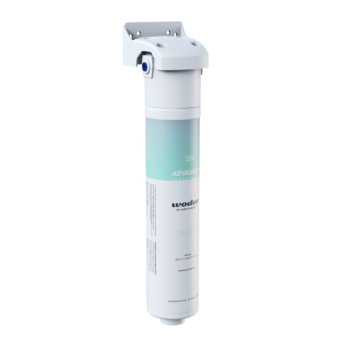
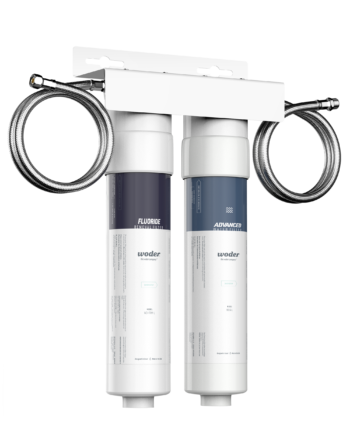
Woder Filters uses proprietary Advanced Selective Filtration technology — nanoparticles that attract and remove specific contaminants while leaving calcium, magnesium, and other beneficial minerals intact. The result is water with 99.9% reduction of lead, chlorine, chromium 6, mercury, PFAS, carcinogens, and volatile organic compounds, but that still tastes the way water is supposed to taste.
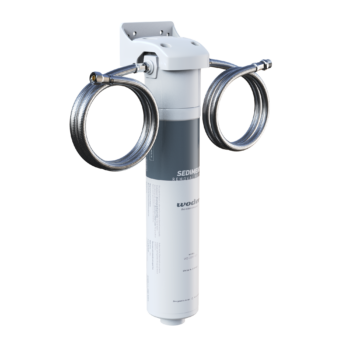
No tank. No drain line. No wastewater. Installation connects directly to your existing water line and takes under 30 minutes without a plumber. All filters are made in the United States.
That's a meaningful difference. You get genuinely clean water without the side effects that come from stripping everything out.
What to Ask Before Choosing a Filtration System
A few questions worth getting clear on before you decide:
- What's actually in your water? Your local utility publishes an annual Consumer Confidence Report that lists contaminants and their levels.
- Do you have a specific concern? Lead from older pipes, PFAS from industrial runoff, and high chlorine from municipal treatment are the most common issues for US homeowners.
- How much water does your household drink at home? A family drinking heavily from the tap has more to gain from a high-quality filter than one that mostly uses filtered water for cooking.
- Do minerals matter to you? If you drink a lot of water and want to preserve its natural mineral content, RO is a poor fit.
If you're not sure which filter matches your setup, the product finder at woder.com/wizard walks you through the right model based on your water source and usage.
The Real Trade-Off
RO isn't a bad technology. It's just a blunt one. It solves contamination by removing everything, and in some situations that's exactly the right call.
But for most homeowners who want safe, clean, great-tasting tap water, the trade-off doesn't hold up. You lose minerals, waste water, spend more on installation, and end up with water that tastes flat.
Clean water shouldn't mean empty water. The goal is to remove what harms you and keep what helps you — and that distinction matters more than most people realize when they're standing in a hardware store comparing filter boxes.
Frequently Asked Questions
Is reverse osmosis water safe to drink every day?
RO water isn't harmful in the short term. The concern with long-term daily consumption is the consistent removal of calcium and magnesium. If your diet already covers your mineral needs, the impact may be minimal. If you rely on water as a mineral source, it's worth factoring in.
Does reverse osmosis remove PFAS?
Yes. RO membranes are effective at removing PFAS compounds. That said, selective filtration systems that specifically target PFAS can also achieve very high removal rates — without stripping beneficial minerals from the water.
Why does RO water taste flat?
Dissolved minerals, particularly calcium and magnesium, contribute to the taste and mouthfeel of water. When an RO system removes them, the water loses that roundness. Some people prefer the neutral result. Many find it noticeably different from mineral-rich water.
How much water does a reverse osmosis system waste?
Most traditional RO systems produce one gallon of filtered water for every two to four gallons sent to the drain. Tankless RO systems are more efficient but still produce some wastewater. Selective filtration systems that don't use a membrane produce none.
What is selective filtration and how is it different from RO?
Selective filtration targets specific contaminants — lead, chlorine, PFAS, heavy metals — while leaving beneficial minerals in the water. RO removes everything indiscriminately. The result with selective filtration is clean water that still tastes like water.
Do I need a plumber to install a water filter?
Not necessarily. Inline and under-sink filters that connect directly to your existing water line typically install in under 30 minutes without professional help. RO systems are more involved and often require a plumber for the dedicated faucet, tank, and drain line.
Can I get clean water without losing minerals?
Yes. Selective filtration systems remove contaminants like lead, PFAS, chlorine, and chromium 6 at 99.9% reduction rates while preserving the calcium and magnesium naturally present in your water. You don't have to choose between clean and mineral-rich.
Your tap water shouldn't be a guessing game, and fixing it shouldn't mean trading one problem for another. If you want to remove the bad and keep the good, start at woder.com.