- What Each System Actually Does
- Point of Entry vs Point of Use
- When a Whole House Filter Makes Sense
- When an Under-Sink Filter Makes More Sense
- The Mineral Retention Question
- Cost Comparison
- Can You Use Both?
- Making the Decision
- Frequently Asked Questions
Not all water problems are the same, and neither are the systems built to fix them. If you're weighing a whole house water filter against an under-sink filter, the right answer comes down to what's actually wrong with your water and where you need it clean.
This guide covers how each system works, what it handles well, where it falls short, and how to figure out which one fits your situation.
What Each System Actually Does
Whole House Water Filters
A whole house filter — also called a point-of-entry system — connects to your main supply line, usually near where it enters the home. From that point forward, every tap, shower, appliance, and toilet receives filtered water.
These systems are built for volume. They're most effective against sediment, chlorine, chloramines, and certain heavy metals across every fixture in the house. Some include multiple filter stages or a water softener component.
The tradeoff is cost and complexity. Whole house systems typically run from a few hundred dollars to well over a thousand, before installation. Most require a professional plumber, and the filter media needs periodic replacement.
Under-Sink Water Filters
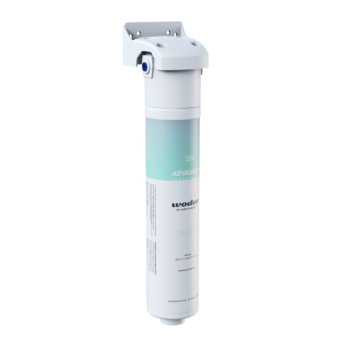
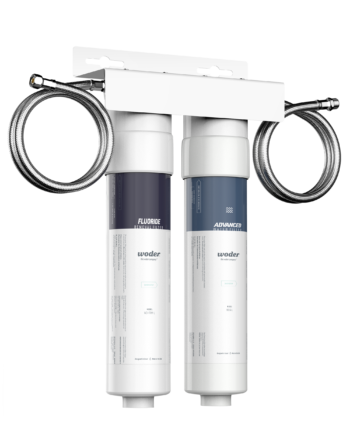
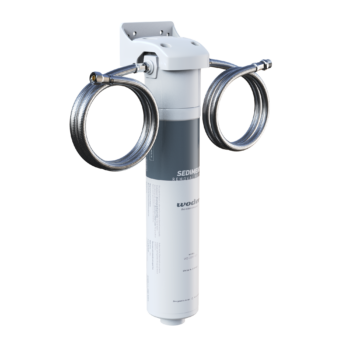
An under-sink filter connects directly to your cold water line beneath the kitchen sink and treats water at that single point of use. Only the water coming out of that tap gets filtered.
These systems are compact, relatively affordable, and easy enough for most homeowners to install in under an hour. Because they're filtering a smaller volume of water, they can use more targeted media — and often achieve finer contaminant removal than a whole house system at a similar price.
The limitation is straightforward: filtered water at one location. Your shower, bathroom sink, and washing machine still get unfiltered tap water.
Point of Entry vs Point of Use
This is the core distinction, and it matters more than most people think.
A whole house filter treats water before it reaches any fixture. An under-sink filter treats water at the fixture you actually drink from. If your main concern is drinking water quality, filtering at the kitchen sink is often the more efficient and cost-effective approach — you're treating the water you consume, not the water going to your dishwasher or outdoor spigot.
If the problem is broader — chlorine irritating your skin in the shower, sediment wearing down your appliances, or water quality issues throughout the home — a whole house system addresses things an under-sink filter simply can't reach.
When a Whole House Filter Makes Sense
A whole house water filter is worth considering when:
- Sediment or particulates are clogging appliances, discoloring laundry, or affecting shower fixtures
- Hard water is a home-wide issue and you want to protect pipes and water-using appliances
- Chlorine or chloramine levels are high and you're noticing it in showers and baths, not just at the tap
- You're on well water with consistent contamination across all uses
- Multiple household members have sensitivities that go beyond drinking water
One thing to keep in mind: whole house systems use larger, less specialized filter media. They're built for volume, not precision. A whole house carbon filter will reduce chlorine effectively, but it won't match the contaminant-specific removal you get from a purpose-built under-sink system.
When an Under-Sink Filter Makes More Sense
An under-sink filter tends to be the better fit when:
- Drinking water quality is your main concern — taste, odor, lead, chlorine byproducts, PFAS
- You're renting or don't want to touch your main water line
- Budget matters and you want the most filtration per dollar
- Your municipal water is generally fine but you want a cleaner result for cooking and drinking
- You want to ditch bottled water without committing to a full home system
Under-sink filters also tend to preserve the beneficial minerals in your water, which affects both taste and health. Reverse osmosis systems — a common under-sink option — strip out nearly everything, including calcium and magnesium. Selective filtration approaches, like the technology behind Woder filters, are designed specifically to remove harmful contaminants while leaving those naturally occurring minerals intact.
The Mineral Retention Question
It's worth addressing this directly because it comes up often. More filtration isn't always better.
Reverse osmosis removes 95 to 99 percent of dissolved solids — contaminants, yes, but also minerals your body actually uses. Whole house carbon filters don't strip minerals, but they also don't remove fine contaminants with much precision. A well-designed under-sink filter using selective filtration can target specific contaminants without touching mineral content, giving you water that's genuinely clean and still tastes the way water should.
If mineral retention matters to you, it's a real differentiator when comparing systems.
Cost Comparison
| Whole House Filter | Under-Sink Filter | |
|---|---|---|
| Upfront cost | $300 to $1,500+ | $50 to $400 |
| Installation | Usually professional | Often DIY |
| Filter replacement | Every 6 to 12 months (varies) | Every 6 to 12 months (varies) |
| Coverage | Entire home | Single tap |
| Contaminant specificity | Moderate | High |
These are general ranges. What you actually pay depends on your water quality, flow rate requirements, and the specific system you choose.
Can You Use Both?
Yes — and some households do. A whole house sediment pre-filter paired with an under-sink filter for drinking water is a practical combination. The whole house filter handles particulates and protects your appliances. The under-sink filter handles precision filtration for the water you consume.
It's a layered approach that gives you broad coverage without the cost of a high-end whole house system trying to do everything at once.
Making the Decision
Three questions worth asking yourself:
-
Where is the problem? If it's only at the tap you drink from, an under-sink filter is probably enough. If it's throughout the home, you need a whole house system.
-
What contaminants are you dealing with? Get a water test if you haven't already. Knowing what's actually in your water makes the decision much clearer.
-
What's your budget and installation tolerance? Under-sink filters cost less and are easier to install. Whole house systems require more upfront investment and usually a plumber.
For most households focused on clean drinking water, an under-sink filter is the simpler, more targeted answer. If your water problems extend beyond the kitchen, a whole house system deserves serious consideration — possibly alongside an under-sink filter for drinking. You can explore the Woder lineup at woder.com to find a model suited to your flow rate and household needs.
Frequently Asked Questions
Does a whole house water filter replace an under-sink filter?
Not necessarily. Whole house filters are built for high-volume, broad-spectrum filtration across every fixture. Under-sink filters offer more targeted removal for drinking and cooking water. Many households benefit from using both.
What does a whole house water filter actually remove?
Most whole house filters handle sediment, chlorine, chloramines, and some heavy metals effectively. What gets removed depends on the filter media. They're generally less precise than point-of-use systems when it comes to fine contaminants like PFAS or certain heavy metals.
How long do under-sink filters last before replacement?
Most need replacement every 6 to 12 months, depending on water quality and usage. Some high-capacity models last longer. Follow the manufacturer's replacement schedule to keep filtration performance where it should be.
Is an under-sink filter hard to install?
Most are designed for DIY installation and connect directly to your existing cold water line. The process typically takes under an hour with basic tools — no plumber required in most cases.
Will an under-sink filter remove beneficial minerals from my water?
It depends on the type. Reverse osmosis systems remove nearly all dissolved solids, including beneficial minerals like calcium and magnesium. Selective filtration systems, like those used in Woder filters, are designed to remove harmful contaminants while keeping those minerals in place.
Do I need a water test before buying a filter?
Strongly recommended. A water test tells you exactly what contaminants are present, which helps you choose a filter rated to handle them. Testing kits are widely available, and most municipalities publish annual water quality reports.
Is a whole house water filter worth the cost?
If you have consistent water quality issues throughout your home — sediment, hard water, high chlorine affecting showers and appliances — a whole house filter can absolutely be worth it. If your concern is limited to drinking water, an under-sink filter typically delivers better value for that specific problem.
The right filter is the one that matches your actual water problem. Start with what you know about your water, decide where you need the filtration most, and go from there. For most households, clean drinking water is the goal — and an under-sink filter is the simpler, more cost-effective way to get there.