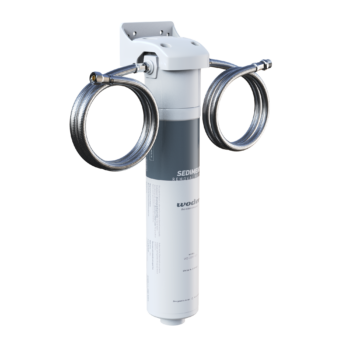
- What the Woder 10K Is
- Gen 3 vs Gen 4: What Actually Changed
- Which One Do You Need?
- How to Tell Which Generation You Have
- When to Replace Your Cartridge
- What Hasn't Changed
- FAQs
If you own a Woder 10K or you're shopping for a replacement cartridge, you've probably noticed there are two versions floating around — Gen 3 and Gen 4. It's a reasonable source of confusion. Do they fit the same housing? Did the filtration actually get better? Which one should you buy?
Here's a straightforward breakdown so you can order the right cartridge and move on.
What the Woder 10K Is
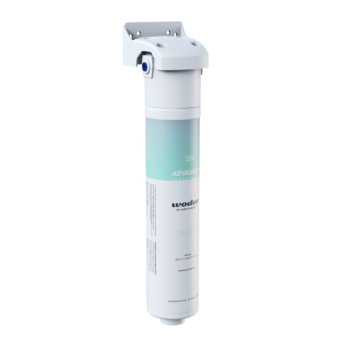
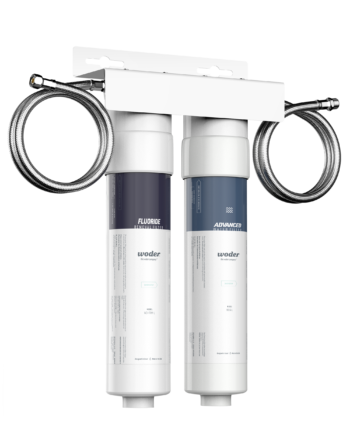
The Woder 10K is an inline under-sink water filter that connects directly into your cold water line. It runs on Woder's Advanced Selective Filtration technology — a nanoparticle-based system that targets contaminants like chlorine and heavy metals while leaving beneficial minerals like calcium, magnesium, and potassium in the water.
That distinction matters. Reverse osmosis systems strip everything out, including the minerals that make water taste good and support your health. The Woder 10K filters what you don't want without removing what you do.
The "10K" refers to its rated capacity: 10,000 gallons per cartridge, which works out to roughly three years for a typical household.
Gen 3 vs Gen 4: What Actually Changed
Filtration Media
The Gen 4 cartridge uses a refined version of the Advanced Selective Filtration media. The nanoparticle formulation was updated to improve contact efficiency — meaning contaminants are captured more reliably, even when water is moving through quickly. Gen 3 performed well in normal conditions, but Gen 4 closes the small gaps that appeared under higher flow demand.
If multiple people in your household are drawing water throughout the day, Gen 4 handles that more consistently.
Housing Compatibility
This is the most important practical question. Gen 3 cartridges fit Gen 3 housings. Gen 4 cartridges fit Gen 4 housings. They are not interchangeable. Forcing the wrong cartridge into a housing will compromise the seal, risk a leak, and reduce filtration performance. Before ordering a replacement, check the label on your existing housing to confirm which generation you have.
Flow Rate
Gen 4 was designed with an improved flow path that reduces pressure drop across the filter. The result is tap pressure that stays closer to unfiltered flow — and stays there more consistently as the cartridge ages. Gen 3 users sometimes noticed a gradual drop in flow over time. Gen 4 is more stable throughout its service life.
Installation
Both generations install the same way: inline connection to the cold water supply line, standard fittings, no dedicated faucet, no storage tank, no electricity. If you've installed a Gen 3, setting up a Gen 4 will feel identical.
Which One Do You Need?
It comes down to what's already installed under your sink.
Starting fresh? Go with Gen 4. You'll get the current housing and cartridge together, and future replacements will be simple.
Already have a Gen 3 system? Order a Gen 3 replacement cartridge. Your housing is built for it, and swapping the cartridge on schedule is all you need to keep it running well.
Gen 3 housing showing its age? That's a reasonable time to move to a full Gen 4 setup — new housing, updated media, improved flow, and a clean starting point.
There's no reason to upgrade from Gen 3 to Gen 4 just for the sake of it. If your current system is working, a replacement cartridge is the right call. Gen 4 is an incremental improvement, not a reinvention.
How to Tell Which Generation You Have
The generation is printed on the label of your filter housing. If the label is worn or missing, your original order confirmation will have the model number. You can also reach out to Woder's support team with a photo of the unit — they can confirm which cartridge you need.
When to Replace Your Cartridge
Woder rates the 10K at 10,000 gallons or three years, whichever comes first. Watch for these signs that it's time:
- Noticeable drop in flow from your filtered tap
- A change in the taste or smell of your water
- Three or more years since the last cartridge change
Don't wait until the water tastes off. At that point, the media is already saturated and filtration has degraded. Set a reminder when you install a new cartridge so the timing doesn't sneak up on you.
What Hasn’t Changed
Across both generations, the core approach is the same: remove contaminants, keep minerals, no wastewater, no electricity, no remineralization step required afterward. That's what separates the Woder 10K from reverse osmosis systems on one end and basic pitcher filters on the other. It's whole-line filtration that works through your existing tap without any added complexity.
FAQs
Can I use a Gen 4 cartridge in my Gen 3 housing?
No. The two are not interchangeable. Using the wrong cartridge can cause leaks or reduce filtration effectiveness. Always match the cartridge to your housing generation.
How do I know which generation I have?
Check the label on your filter housing — the generation is printed on it. If it's unreadable, your original order confirmation or Woder's support team can help you confirm.
How long does a cartridge last?
Up to 10,000 gallons or approximately three years, whichever comes first.
Does Gen 4 remove more contaminants than Gen 3?
Both generations target the same contaminant categories, including chlorine and heavy metals. Gen 4's updated media improves contact efficiency at higher flow rates, but the filtration scope is the same.
Do I need to upgrade if my Gen 3 is working fine?
No. A Gen 3 replacement cartridge is all you need if your system is functioning well and within its service life. Upgrading to Gen 4 makes the most sense when your housing needs replacing or you're setting up a new system.
Does either version need a separate faucet or storage tank?
No. Both connect inline to your existing cold water supply and deliver filtered water through your standard tap. No extra hardware required.
Will upgrading to Gen 4 affect my water pressure?
Gen 4's improved flow path reduces pressure drop across the filter. If you move from an aging Gen 3 cartridge to a new Gen 4 system, you'll likely notice a modest improvement in tap pressure.
The right cartridge is whichever one matches your housing. Match the generation, replace on schedule, and the Woder 10K will keep doing its job without any fuss. If you're ready to start fresh or pick up a replacement, the current lineup is at woder.com.