- What Woder and Culligan Actually Are
- Installation: DIY vs. Professional
- Cost: What You're Actually Paying
- Filtration Performance: What Gets Removed, What Stays
- Wastewater: A Real Difference
- Who Each System Is Built For
- The Mineral Question Most Comparisons Miss
- Quick Comparison at a Glance
- Making the Right Call for Your Home
- Frequently Asked Questions
You want cleaner water at home. Simple goal. But once you start comparing options, the choices pile up fast — and two names that come up regularly are Woder and Culligan. Both promise clean water. Beyond that, they're almost nothing alike.
Here's exactly how these two systems differ, who each one is built for, and which one actually makes sense for your home in 2026.
What Woder and Culligan Actually Are
It helps to understand the fundamental difference in approach before getting into specs.
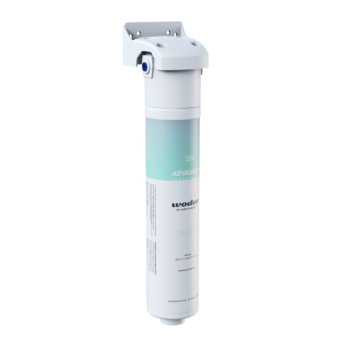
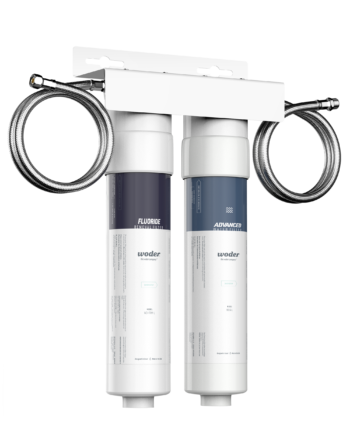
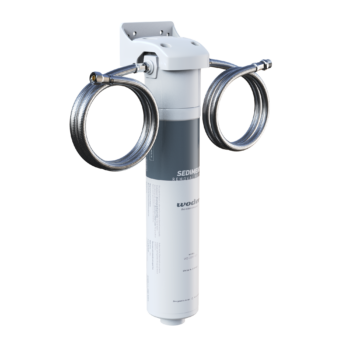
Woder makes under-sink and inline water filters that connect directly into your existing water line. No tank, no whole-home overhaul, no plumber. The core technology is Advanced Selective Filtration, which uses nanoparticles to attract and remove contaminants while leaving beneficial minerals like calcium and magnesium right where they belong. You install it yourself, typically in under an hour.
Culligan is a service-based water treatment company. They sell and lease whole-home softeners, under-sink RO systems, and drinking water systems — but a Culligan dealer handles installation, and ongoing maintenance stays dealer-managed.
These are genuinely different models. One is a product you own and install yourself. The other is closer to a subscription service with hardware attached.
Installation: DIY vs. Professional
This is one of the biggest practical differences between the two.
Woder filters install inline into your cold water supply line under the sink. No drilling, no special tools, no contractor. The installation guide at woder.com walks you through it step by step, and most homeowners are done in under an hour.
Culligan requires a dealer visit. Depending on the system — whole-home softener, RO unit, or drinking water filter — setup can take several hours and may involve real plumbing modifications. For renters, that's often a non-starter before the conversation even begins.
If you're renting, in an apartment, or simply don't want a contractor in your home, Woder is the practical choice. For homeowners who genuinely want whole-home water treatment and are comfortable with a service relationship, Culligan's model has its place.
Cost: What You’re Actually Paying
Culligan pricing runs from roughly $500 to $5,000 depending on the system, plus ongoing service fees and lease arrangements. Pricing varies by dealer and region, and it's rarely transparent upfront.
Woder doesn't publicly list prices, but most models are positioned well under $200 — a meaningful gap. Replacement cartridges are sold separately as a recurring cost, but you handle that yourself on your own schedule.
The long-term math matters. With Culligan, you're often locked into a dealer relationship. With Woder, you buy the filter, install it, and swap the cartridge when it's time. No service contracts, no dealer dependency.
Filtration Performance: What Gets Removed, What Stays
This is where the comparison gets specific.
Woder's Advanced Selective Filtration removes 99.9% of contaminants, including:
- Lead
- PFAS
- Chlorine
- Chromium 6
- Mercury
- Carcinogens
- Volatile organic compounds (VOCs)
Critically, it preserves naturally occurring minerals — calcium, magnesium, and others your body actually uses. Most filters, including reverse osmosis systems, strip everything out indiscriminately. Woder's technology knows the difference between a contaminant and a mineral. That distinction matters for both taste and health.
Culligan's systems vary widely by model. Their RO-based units remove a broad range of contaminants but, like all RO systems, also strip out beneficial minerals. Whole-home softeners address hardness and scale but aren't designed to remove PFAS, lead, or VOCs from your drinking water.
If your main concern is PFAS, lead, or chlorine — and you want to keep the minerals — Woder is the more targeted, more efficient choice.
Wastewater: A Real Difference
Reverse osmosis systems, including many Culligan drinking water units, produce wastewater as part of the filtration process. Depending on the system, that can mean two to four gallons sent down the drain for every gallon filtered.
Woder produces no wastewater. The inline design filters water as it flows through — nothing wasted.
For environmentally conscious households, that's not a minor footnote. It's a real reason to choose a different approach.
Who Each System Is Built For
Choose Woder if you:
- Want to remove lead, PFAS, chlorine, and other serious contaminants from your drinking water
- Want to keep beneficial minerals in your water
- Prefer a DIY install without a plumber or dealer
- Are a renter or don't want a whole-home system
- Care about cutting plastic bottle waste
- Want a straightforward, US-made product you own outright
Consider Culligan if you:
- Want whole-home water treatment, not just drinking water filtration
- Have severe hard water issues that require softening throughout your home
- Are comfortable with a dealer service relationship and the costs that come with it
- Have a larger home with complex water treatment needs and a budget to match
The Mineral Question Most Comparisons Miss
Most water filter comparisons focus entirely on what gets removed. Woder's approach is different because it's also deliberate about what stays in.
Calcium and magnesium aren't just "not harmful" — they're minerals your body needs. Water that's been stripped of everything through RO or aggressive carbon filtration tastes flat and loses those naturally occurring benefits. Advanced Selective Filtration is designed specifically to tell the difference between what belongs in your water and what doesn't.
That's the core of what makes Woder a smarter mid-market option. Not just cleaner water — actually better water.
Quick Comparison at a Glance
| Factor | Woder | Culligan |
|---|---|---|
| Installation | DIY, no plumber | Professional dealer required |
| Typical cost | Under $200 for most models | $500 to $5,000+ |
| Contaminants removed | Lead, PFAS, chlorine, chromium 6, mercury, VOCs | Varies by system |
| Minerals preserved | Yes | No (RO systems strip minerals) |
| Wastewater produced | None | Yes (RO models) |
| Renter-friendly | Yes | Often not |
| US-manufactured | Yes | Varies |
| Ongoing service required | No | Yes (dealer-managed) |
Making the Right Call for Your Home
If you're trying to protect your family from lead, PFAS, or chlorine in your tap water — and you want clean, mineral-rich water without a major installation project — Woder is the more practical, more affordable, and more targeted choice in 2026.
Culligan serves a different need. If your whole home has hard water problems or you want a fully managed service relationship, that model makes sense. But for most homeowners and renters focused on drinking water quality, paying for dealer installation and ongoing service contracts is more than the problem requires.
Not sure which Woder model fits your home's flow rate and setup? The interactive product Wizard at woder.com walks you through it in a few quick questions. It's your water — find the filter that actually fits it.
Frequently Asked Questions
Does Woder remove PFAS from tap water?
Yes. Woder's Advanced Selective Filtration removes PFAS along with lead, chlorine, chromium 6, mercury, carcinogens, and volatile organic compounds — 99.9% of contaminants in total.
Does Woder require a plumber to install?
No. Woder filters connect directly into your existing cold water supply line under the sink. Most homeowners finish installation in under an hour without any professional help.
Does Culligan remove PFAS?
Some Culligan systems do address PFAS, but performance varies by model and system type. Whole-home softeners aren't designed for PFAS removal. You'd need to confirm specifics with a Culligan dealer for the exact system you're considering.
Will a Woder filter remove beneficial minerals from my water?
No — and that's a key part of what makes Woder different. Advanced Selective Filtration removes contaminants while leaving naturally occurring minerals like calcium and magnesium intact.
How much does Culligan cost compared to Woder?
Culligan systems typically range from $500 to $5,000 depending on the system type, plus ongoing service fees. Woder filters are positioned well under $200 for most models, with replacement cartridges as the primary ongoing cost.
Can renters use Woder filters?
Yes. Woder's inline design connects to your existing water line without permanent plumbing modifications, making it a practical option for renters. Culligan installations often require changes that simply aren't feasible in a rental property.
How do I know which Woder filter is right for my home?
Woder's product line covers a range of household flow rates, from compact residential units up to 10 kGPM high-flow models. The product Wizard at woder.com helps you find the right fit based on your specific setup.