- What Is Chromium 6?
- Where Does Chromium 6 Come From?
- How Common Is Chromium 6 in US Tap Water?
- What Are the Health Risks?
- How to Test Your Water for Chromium 6
- What Filters Actually Remove Chromium 6?
- Why Selective Filtration Makes Sense for Chromium 6
- How to Choose the Right Woder Filter
- FAQs
Chromium 6 doesn't look like anything. No taste, no smell, no color. But it's been detected in tap water systems across the United States, and it's one of those contaminants that genuinely warrants attention — not panic, just action.
If you've seen news about chromium 6 in drinking water and want to understand what it means for your household, this covers what it is, where it comes from, what the health risks actually look like, and what you can do about it.
What Is Chromium 6?
Chromium is a naturally occurring metal found in rocks, soil, and groundwater. It exists in several forms, but two matter most for drinking water: chromium 3 and chromium 6.
Chromium 3 is considered relatively benign — it's actually an essential trace nutrient. Chromium 6 (also called hexavalent chromium) is a different story. It's a known carcinogen when inhaled, and research has raised serious concerns about what long-term consumption through drinking water can do.
The compound gained widespread public attention after the Hinkley, California contamination case — later depicted in Erin Brockovich — where industrial discharge from Pacific Gas and Electric contaminated local water with chromium 6. But Hinkley wasn't a one-off.
Where Does Chromium 6 Come From?
Chromium 6 enters water supplies through two main routes: industrial discharge and natural geological processes.
On the industrial side, it's a byproduct of chrome plating, leather tanning, textile manufacturing, and the production of certain dyes and pigments. Improper disposal or leaks from industrial sites can contaminate groundwater and surface water that feeds municipal systems.
It can also leach naturally from chromite ore deposits in soil and rock — which means even communities far from any industrial activity can find it in their water, depending on local geology.
How Common Is Chromium 6 in US Tap Water?
More common than most people realize. The Environmental Working Group has tested tap water across the country and found chromium 6 in systems serving millions of Americans. It's not confined to one region or one type of water source.
The EPA currently regulates total chromium at a maximum contaminant level of 100 parts per billion (ppb) — but that standard doesn't distinguish between chromium 3 and chromium 6. California has set its own limit specifically for chromium 6 at 10 ppb, reflecting the growing scientific consensus that the federal standard may not be protective enough.
If you're on a private well, your water isn't subject to federal monitoring at all. That's worth knowing. Professional testing services like those offered through Dierolf Supply Company can help well owners get a clear picture of what's actually in their water.
What Are the Health Risks?
The International Agency for Research on Cancer classifies chromium 6 as a Group 1 carcinogen when inhaled. Studies on ingested chromium 6 have linked it to gastrointestinal cancers in animal models, and the National Toxicology Program has flagged it as a likely human carcinogen through drinking water exposure as well.
The risk is dose-dependent and cumulative. One glass isn't a crisis. But drinking water with elevated chromium 6 levels over years is a different matter — especially for children, pregnant people, and anyone with a compromised immune system.
The practical takeaway: if chromium 6 is present in your water at meaningful levels, filtering it out is a reasonable and straightforward step.
How to Test Your Water for Chromium 6
Start by finding out what's actually in your water. Municipal customers can request a Consumer Confidence Report (CCR) from their water utility — these are published annually and list detected contaminants and their levels.
For more specific testing, especially if you want to distinguish chromium 6 from total chromium, a certified laboratory test is the most reliable route. If you're on a well, this matters even more since your water isn't routinely monitored. JB Water & Air is one example of a service that can help homeowners assess their water quality and figure out what filtration makes sense.
Woder also offers water testing kits at woder.com if you want to start at home.
What Filters Actually Remove Chromium 6?
Not all filters handle chromium 6 the same way. Here's how the main options stack up:
Pitcher Filters
Standard pitcher filters using basic activated carbon are generally not effective against chromium 6. They're fine for taste and some chlorine reduction, but they weren't built for heavy metals or hexavalent chromium.
Reverse Osmosis (RO) Systems
RO systems can remove chromium 6 effectively. The trade-off is real, though: they strip out beneficial minerals like calcium and magnesium along with the contaminants, produce wastewater, require a storage tank, and often need professional installation. For many households, that's more complexity and cost than the problem actually calls for.
Selective Filtration
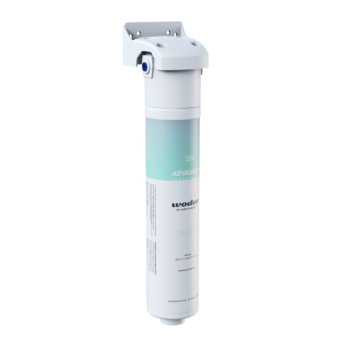
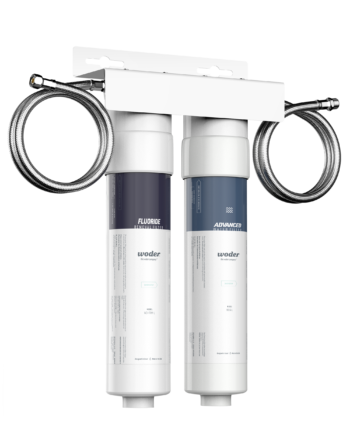
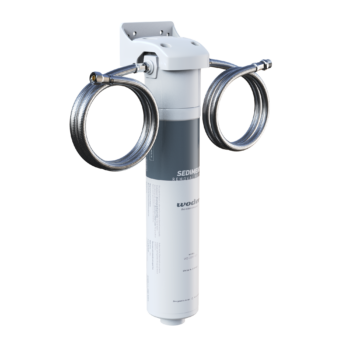
This is where Woder's approach stands apart. Woder's Advanced Selective Filtration technology uses nanoparticles that have an affinity for contaminants — including chromium 6 — but not for naturally occurring minerals. Chromium 6 is removed at 99.9%, while calcium, magnesium, and other beneficial minerals stay right where they belong.
No wastewater. No tank. No plumber. The filter installs inline directly into your existing water line under the sink, and you're done.
Remove the bad. Keep the good. That's the Woder difference.
Why Selective Filtration Makes Sense for Chromium 6
Using a full RO system to address chromium 6 is a bit like using a sledgehammer for a targeted job. You want to remove a specific contaminant — not demineralize your entire water supply in the process.
Selective filtration handles chromium 6 as part of a broader contaminant removal profile. Lead, PFAS, mercury, chlorine, VOCs, carcinogens — all removed at the same 99.9% rate — while the minerals that make water genuinely healthy to drink stay intact.
Woder filters are manufactured in the United States and install in minutes. No plumbing overhaul, no professional setup fees, no complicated system to maintain.
If you're thinking about extending filtered water access beyond the kitchen tap, pairing a point-of-use filter with a complementary dispensing solution like Oasis is one way to do that throughout your home.
How to Choose the Right Woder Filter
Woder makes several models suited to different household flow rates and installation setups. The right one depends on your water usage and where you're installing it. The easiest way to find your match is through the product Wizard at woder.com/wizard — a few quick questions and it points you to the right model.
Replacement cartridges are sold separately, so when it's time to refresh the filter media, you swap the cartridge rather than replacing the whole unit. It keeps ongoing costs predictable and cuts down on unnecessary waste.
FAQs
What is chromium 6 and why is it in tap water?
Chromium 6 (hexavalent chromium) is a form of the metal chromium that enters water through industrial discharge and natural geological leaching. It's been detected in tap water systems across the US and is classified as a likely human carcinogen through drinking water exposure.
Is chromium 6 regulated in US drinking water?
The EPA regulates total chromium at 100 ppb but doesn't set a specific limit for chromium 6 alone. California has its own standard of 10 ppb for chromium 6. Many scientists and public health advocates argue the federal standard needs updating.
Does a Brita or standard pitcher filter remove chromium 6?
Standard activated carbon pitcher filters are generally not effective against chromium 6. They're designed for taste improvement and basic chlorine reduction — not heavy metals or hexavalent chromium.
Does reverse osmosis remove chromium 6?
Yes, but RO systems also strip out beneficial minerals, produce wastewater, and require a storage tank along with professional installation in many cases. Selective filtration removes chromium 6 without those trade-offs.
How does Woder remove chromium 6?
Woder's Advanced Selective Filtration uses nanoparticles that attract and remove contaminants including chromium 6 at 99.9%, while leaving naturally occurring minerals like calcium and magnesium intact. The filter installs inline under your sink — no plumber needed.
How do I know if my water has chromium 6?
Municipal customers can request an annual Consumer Confidence Report from their water utility. For more specific testing — especially for well water — a certified lab test is the most accurate approach. Woder also offers water testing kits to help you get started.
How often do I need to replace a Woder filter cartridge?
Replacement frequency depends on your household water usage and the model you're using. Woder sells replacement cartridges separately so you can maintain performance without replacing the full unit. The product pages at woder.com include guidance on replacement intervals for each model.
Chromium 6 is a real contaminant with real health implications — but it's also one you can address without a major home project or a significant upfront investment. Test your water, understand what's in it, and choose a filter built to handle it. When you're ready to find the right fit for your home, the Woder Wizard at woder.com/wizard makes it simple. It's your water — treat it that way.