- Your Body Notices What's in the Water
- What Filtered Water Does for You Day to Day
- The Mineral Question: Why "Pure" Isn't Always Better
- How Selective Filtration Works (Without the Chemistry Lecture)
- What Happens Over Time When You Make the Switch
- Filtered Water vs. Bottled Water: What You're Actually Getting
- Choosing the Right Filter for Your Home
- FAQs
Most people know they should drink more water. Fewer stop to think about what's actually in the water they're drinking.
If you've been wondering whether filtered water makes a real difference — or what the healthiest drinking water actually looks like — here's a straight answer. No scare tactics, no overclaiming. Just what the science says about daily filtered water intake, what contaminants do when they stay in your glass, and why the minerals in your water matter more than most people realize.
Your Body Notices What’s in the Water
Water makes up roughly 60% of your body weight. You use it for digestion, circulation, temperature regulation, and flushing waste. When you drink two liters a day, you're also delivering whatever's dissolved in that water directly into your system.
For most tap water drinkers, that includes chlorine, chloramines, and trace amounts of contaminants like lead, PFAS, and volatile organic compounds. None of these show up in concentrations that cause immediate illness. The concern is cumulative — what builds up over months and years.
Filtered water reduces that cumulative load. That's the core benefit, and it's worth understanding in specific terms.
What Filtered Water Does for You Day to Day
Better Hydration Without the Aftertaste
Chlorine keeps municipal water safe during distribution. By the time it reaches your tap, that job is done. What lingers is the taste and smell — and for a lot of people, that's enough to make them drink less water than they should.
Remove chlorine at the point of use and water just tastes cleaner. People who switch to filtered water consistently report drinking more simply because they enjoy it more. Better hydration means better energy, clearer skin, and more efficient kidney function. Those aren't dramatic claims — they're the basic downstream effects of actually drinking enough water.
Reduced Exposure to Lead and Heavy Metals
Lead doesn't enter your water at the treatment plant. It comes from old pipes and fixtures between the plant and your faucet, which means municipal testing doesn't always catch what's coming out of your specific tap. Lead has no safe level of exposure, especially for children and pregnant women.
Drinking filtered water every day eliminates that ongoing exposure. When you stop adding to the load, your body naturally processes and clears what's already there. A filter that removes lead at the point of use is one of the most direct protective steps a household can take.
Lower Cumulative PFAS Exposure
PFAS — per- and polyfluoroalkyl substances — are synthetic chemicals found in a wide range of consumer products and industrial processes. They've been detected in drinking water sources across the country, and they don't break down in the body. They accumulate.
Long-term PFAS exposure has been linked to thyroid disruption, immune system effects, and elevated cholesterol. Drinking filtered water every day won't reverse past exposure, but it does stop new exposure from piling on. The longer you maintain the habit, the more that matters.
The Mineral Question: Why “Pure” Isn’t Always Better
Here's something that often gets lost in the filtration conversation: not everything in your tap water is bad for you.
Calcium and magnesium are naturally occurring minerals that support bone density, muscle function, and heart health. They're present in most tap water — and they're still present in water that's been filtered selectively.
Reverse osmosis systems strip them out along with everything else. You get genuinely pure water, but you also lose a meaningful daily source of these minerals. Some RO owners add mineral drops back in afterward, which tells you something about the tradeoff they've made.
The healthiest drinking water isn't the most stripped-down water. It's water that's free of contaminants and still carries the minerals your body actually uses.
That distinction matters when you're choosing a filter. Remove the bad, keep the good — that's the difference between filtration that just sounds thorough and filtration that's actually good for you.
How Selective Filtration Works (Without the Chemistry Lecture)
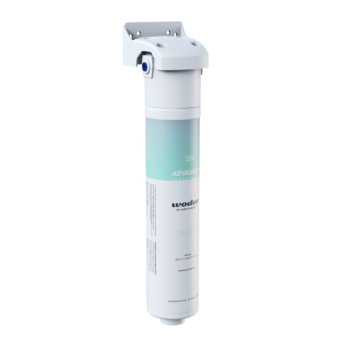
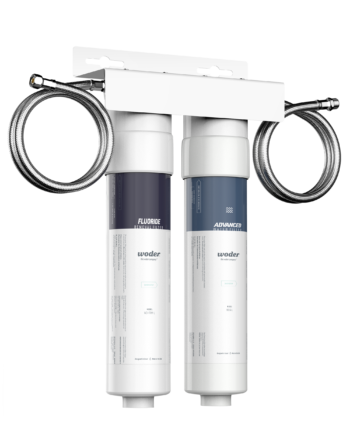
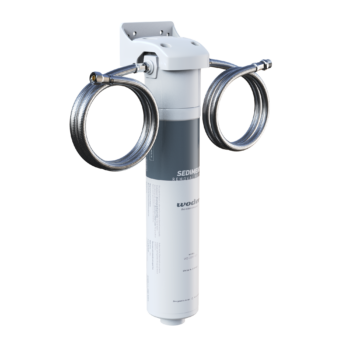
Woder builds its filters around Advanced Selective Filtration technology, which uses nanoparticles to attract and remove contaminants while leaving beneficial minerals intact. You install the filter directly into your existing water line under the sink. No tank, no wastewater, no plumber required.
What you get is water free of lead, chlorine, PFAS, chromium 6, mercury, carcinogens, and volatile organic compounds — with calcium and magnesium still in the glass.
That's what the healthiest drinking water actually looks like in practice: contaminant-free, mineral-rich, and coming straight from your tap.
What Happens Over Time When You Make the Switch
The benefits of daily filtered water don't show up dramatically in the first week. They build, just like the harm from unfiltered water does.
Over weeks and months, most people find they're drinking more water because it tastes better. That alone improves energy and digestion. Over years, you're reducing your total lifetime exposure to lead, PFAS, and chlorination byproducts — while getting a consistent daily source of calcium and magnesium that supports long-term bone and cardiovascular health.
You're also cutting out plastic. If filtered water replaces bottled water in your household, you're eliminating hundreds of single-use bottles a year. Better for the environment, and better for your wallet.
Filtered Water vs. Bottled Water: What You’re Actually Getting
A lot of people assume bottled water is the gold standard. It isn't, for a few reasons.
Bottled water regulation is less stringent than municipal tap water regulation in several respects. Plastic bottles leach trace compounds into the water, especially when stored in heat. And the environmental cost — production, transport, disposal — adds up fast.
A good under-sink filter delivers water that's cleaner than most bottled options, at a fraction of the ongoing cost, without the plastic waste. The upfront investment pays for itself quickly once you stop buying cases of water every week.
Choosing the Right Filter for Your Home
Not every filter removes the same contaminants, and this is where the category gets confusing.
Pitcher filters handle chlorine and some sediment — they're not built for lead, PFAS, or heavy metals. Reverse osmosis handles everything but wastes water and strips out minerals. Selective filtration sits in between: serious contaminant removal, mineral preservation, no wastewater, no complex installation.
If you're not sure which type fits your household, the Woder Wizard at woder.com/wizard walks you through it based on your flow rate and filtration needs. Woder's product line covers compact residential units up to high-flow 10 kGPM models, all manufactured in the United States.
FAQs
Does drinking filtered water every day actually improve your health?
Yes, over time. The benefits are cumulative. You reduce ongoing exposure to contaminants like lead, PFAS, and chlorination byproducts, and you tend to drink more water because it tastes better. Better hydration supports energy, digestion, kidney function, and skin health.
What is the healthiest drinking water?
Water that's free of harmful contaminants — lead, PFAS, chlorine, heavy metals — while still containing naturally occurring minerals like calcium and magnesium. Reverse osmosis removes the beneficial minerals along with the bad. Selective filtration preserves that balance.
Is filtered tap water better than bottled water?
In most cases, yes. Bottled water faces less rigorous testing requirements than municipal tap water in some categories, can leach trace compounds from plastic packaging, and generates significant plastic waste. A quality under-sink filter consistently outperforms bottled water on contaminant removal, cost, and environmental impact.
Does filtered water still contain minerals?
It depends on the filter. Reverse osmosis removes minerals along with contaminants. Selective filtration systems — like those made by Woder — remove contaminants while leaving calcium, magnesium, and other naturally occurring minerals intact.
How long does it take to notice a difference from drinking filtered water?
Most people notice the taste difference immediately. The health benefits from reduced contaminant exposure build over weeks, months, and years of consistent use. Think of it as reducing your cumulative load rather than producing one dramatic change.
Can filtered water help with PFAS exposure?
A filter rated for PFAS can stop new dietary exposure from tap water. It doesn't reverse past accumulation in the body, but eliminating an ongoing daily source is a meaningful step. Not all filters remove PFAS, so confirm your filter is specifically rated for it.
Do I need a plumber to install an under-sink water filter?
Not with most inline or under-sink filters. Woder filters install directly into your existing water line — no professional help needed, no tank, no whole-home overhaul.
Your water is something you interact with dozens of times a day. Getting it right doesn't require a major renovation or an expensive system. It just requires the right filter. Find yours at woder.com.