- What Is Chloramine and Why Is It in Your Water?
- Why Chloramine Is Harder to Remove Than Chlorine
- What Filters Actually Work on Chloramine
- What Filters Don't Work Well on Chloramine
- How Woder Filters Approach Chloramine Removal
- How to Check If Your Water Contains Chloramine
- Choosing the Right Filter: A Practical Checklist
- Frequently Asked Questions
- The Bottom Line
Chloramine is one of the more stubborn disinfectants found in municipal tap water, and it catches a lot of people off guard. You might already know to filter for chlorine — but chloramine is a different compound entirely, and most standard filters that handle chlorine do a poor job on it. If your water has a faint chemical smell that lingers even after running the tap, chloramine is often why.
This article covers what chloramine is, why it's harder to remove than chlorine, which filtration methods actually work, and which ones fall short.
What Is Chloramine and Why Is It in Your Water?
Chloramine forms when water utilities combine chlorine with ammonia. It's used as a disinfectant because it's more stable than chlorine and doesn't dissipate as quickly through long distribution networks. That stability is useful for utilities managing miles of pipe — but it's exactly what makes chloramine harder to deal with at the tap.
The EPA estimates that more than one in five Americans receives drinking water treated with chloramines. Many large cities made the switch from chlorine over the past two decades to comply with stricter regulations on disinfection byproducts like trihalomethanes.
Chloramine comes in several forms — monochloramine, dichloramine, and trichloramine — with monochloramine being the most common in water treatment. Unlike free chlorine, it doesn't evaporate from a glass of water left on the counter. Letting your tap water sit overnight won't solve the problem.
Why Chloramine Is Harder to Remove Than Chlorine
Chlorine is relatively straightforward to remove. Activated carbon handles it well, and even leaving water in an open container for a few hours allows most free chlorine to off-gas. Chloramine doesn't behave that way.
The bond between chlorine and ammonia in chloramine is more chemically stable. Standard activated carbon removes chloramine through adsorption, but at a much slower rate than it removes free chlorine. A filter that performs well against chlorine may let a significant portion of chloramine pass through — especially at normal household flow rates.
This is why both the type of carbon and the contact time matter. A filter that works quickly against chlorine may not give chloramine enough time to bind to the media before the water flows out.
What Filters Actually Work on Chloramine
Catalytic Activated Carbon
This is the most reliable point-of-use option for chloramine removal. Catalytic carbon is a modified form of activated carbon processed to increase its surface reactivity. Rather than relying purely on adsorption, it can chemically break down chloramine molecules — not just capture them.
When evaluating filters, look specifically for ones that list catalytic carbon or catalytic activated carbon as a media component. Filters that say only "activated carbon" or "carbon block" without specifying the catalytic grade may underperform on chloramine.
High-Contact-Time Carbon Block Filters
A dense carbon block filter running at a low flow rate gives water more time in contact with the filtration media. That extended contact time allows even standard activated carbon to remove more chloramine than it would at higher flow rates. The tradeoff is reduced water pressure or flow.
For under-sink applications, this can work well if you're drawing from a dedicated filtered tap rather than your main kitchen faucet.
Reverse Osmosis Systems
RO systems are effective against chloramine, but there's an important caveat: chloramine can degrade the RO membrane over time. Most RO systems use a pre-filter stage — typically catalytic carbon — to remove chloramine before water reaches the membrane. That means the system's effectiveness depends heavily on that pre-filter being functional and not exhausted.
If your water contains chloramine and you're using or considering an RO system, verify that it includes a catalytic carbon pre-filter and follow the replacement schedule carefully.
Whole-House Catalytic Carbon Systems
For households that want chloramine removed at every tap — not just the kitchen — a whole-house system with catalytic carbon media is the most thorough approach. These are installed at the main water line entry point and require periodic media replacement or backwashing.
What Filters Don’t Work Well on Chloramine
Standard Pitcher Filters
Most pitcher filters use basic activated carbon or ion exchange resin, designed primarily for chlorine taste and odor, lead, and some heavy metals. At typical pour-through flow rates, they are generally not effective against chloramine. If your water is treated with chloramine, a standard pitcher filter is unlikely to make a meaningful difference.
Basic Faucet-Mount Filters
Most faucet-mount filters use standard activated carbon and are rated for chlorine, not chloramine. Some higher-end models include catalytic carbon, but you need to check the specific certifications and media type before assuming it handles chloramine.
Sediment Filters
Sediment filters remove particles, rust, and turbidity. They do nothing for dissolved chemical disinfectants like chloramine. If you have a sediment pre-filter in your system, it isn't contributing to chloramine removal.
Letting Water Sit or Boiling
Chloramine doesn't off-gas the way chlorine does. Leaving water in an open container for hours removes very little of it. Boiling accelerates evaporation of some chloramine but doesn't remove it completely and isn't practical as a daily solution. Neither approach substitutes for proper filtration.
How Woder Filters Approach Chloramine Removal
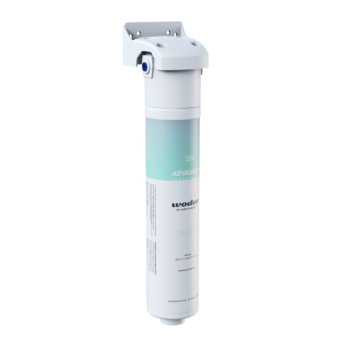
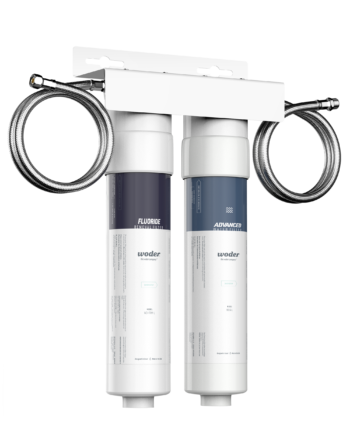
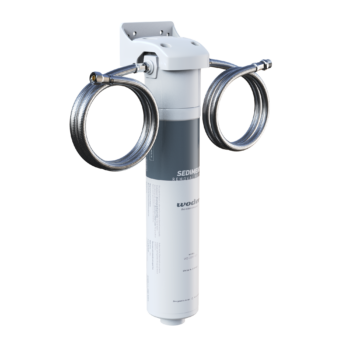
Woder's under-sink and inline filters use Advanced Selective Filtration technology — a system built around nanoparticles that attract and remove specific contaminants from water. The technology is designed to target what shouldn't be there while leaving behind the naturally occurring minerals, like calcium and magnesium, that make water taste good and contribute to daily nutrition.
That's a meaningful distinction from reverse osmosis, which removes virtually everything from water, including beneficial minerals, and often requires a remineralization stage to restore taste and nutritional value. Woder filters install directly into your existing water line, keeping setup straightforward and avoiding the wastewater that RO systems typically produce.
If you're evaluating whether a Woder filter is the right fit for your water quality concerns — including chloramine — you can review the full product line at woder.com.
How to Check If Your Water Contains Chloramine
Before upgrading your filter, it's worth confirming whether your utility uses chloramine or free chlorine. A few ways to find out:
Check your Consumer Confidence Report. Your utility is required to publish an annual CCR listing the disinfectants used in treatment. Most utilities post it online.
Use a water test kit. Kits that measure both free chlorine and total chlorine can indicate chloramine. If total chlorine reads significantly higher than free chlorine, the difference is likely chloramine (also called combined chlorine).
Call your utility directly. Most customer service lines can tell you which disinfectant they use and whether anything has changed recently.
This step matters because it determines what you actually need. If your utility uses free chlorine only, a standard activated carbon filter may be sufficient. If they use chloramine, you need catalytic carbon or another method specifically rated for it.
Choosing the Right Filter: A Practical Checklist
When evaluating a filter for chloramine removal, work through these questions:
- Does the filter list catalytic activated carbon as a media component?
- Is it certified or tested against chloramine specifically — not just chlorine?
- What is the rated flow rate, and does it allow adequate contact time?
- Does the manufacturer provide a replacement schedule, and are replacement filters easy to find?
- Does the filter remove chloramine without stripping out beneficial minerals?
For most households, an under-sink filter with catalytic carbon media installed on a dedicated drinking water tap is the most practical balance of performance, convenience, and long-term cost.
Frequently Asked Questions
Does a Brita filter remove chloramine?
Standard Brita pitcher filters use activated carbon and are not designed to remove chloramine effectively. They perform well against free chlorine, taste, and odor, but chloramine requires catalytic carbon or a more advanced method to address reliably.
Can I remove chloramine by boiling water?
Boiling removes some chloramine but not all of it, and it's not a practical daily solution. Chloramine is chemically stable and doesn't evaporate quickly the way free chlorine does. Catalytic carbon filtration is the recommended approach.
Is chloramine in tap water harmful?
At the levels used in municipal treatment, chloramine is considered safe for drinking by regulatory standards. It is, however, harmful to fish and aquatic animals and must be removed before use in aquariums or dialysis equipment. Many people also choose to filter it out for taste and odor reasons.
Will a reverse osmosis system remove chloramine?
Yes, but the pre-filter stage is critical. Chloramine can degrade RO membranes, so most systems rely on a catalytic carbon pre-filter to remove it first. The system is only as effective as that pre-filter — timely replacement matters.
How do I know if my water has chloramine or chlorine?
Check your utility's Consumer Confidence Report or contact them directly. A water test kit measuring both free chlorine and total chlorine can also help — a significant gap between the two readings typically indicates chloramine.
Does chloramine affect the taste of water?
Yes. Chloramine can produce a chemical or medicinal taste and smell that many people find unpleasant. Unlike free chlorine, it doesn't dissipate by letting water sit out, which is why filtration is the only reliable fix.
How long do catalytic carbon filters last when filtering chloramine?
Lifespan varies by model and water quality, but most under-sink catalytic carbon filters are rated for a specific water volume or time interval — often six months to a year. Chloramine is harder on filter media than free chlorine, so it's worth sticking to the manufacturer's replacement schedule rather than extending use based on taste alone.
The Bottom Line
Chloramine is more persistent and harder to remove than free chlorine, and not all filters are up to the task. Standard activated carbon and pitcher filters are unlikely to give you meaningful chloramine reduction. Catalytic activated carbon — whether in a standalone under-sink filter, a high-contact-time carbon block, or as a pre-filter stage in an RO system — is what actually works.
If you want clean drinking water that still contains the minerals your body benefits from, an under-sink filter using selective filtration technology is worth a close look. You can explore Woder's filter lineup and find the right model for your household at woder.com.