- What Is Chloramine?
- What Does Chloramine Do to Water Quality?
- Why Chloramine Is Harder to Remove Than Chlorine
- What to Look for in a Water Filter for Chloramine
- How Woder Approaches Chloramine and Contaminant Removal
- Chloramine vs. Chlorine: A Quick Comparison
- Testing Your Water for Chloramine
- Common Mistakes When Filtering Chloramine
- Does Boiling Water Remove Chloramine?
- FAQs
Chloramine is quietly replacing chlorine in municipal water systems across the United States, and most homeowners have no idea it's in their tap water. If you've been searching for a water filter for chloramine, you're asking the right question — because not every filter handles it the same way, and the difference matters more than most product pages let on.
Here's what chloramine actually is, why utilities use it, what it does to your water, and which filter technologies can genuinely remove it.
What Is Chloramine?
Chloramine forms when water utilities combine chlorine with ammonia. The result is a disinfectant that's more stable than chlorine alone — it stays active longer as water travels through distribution pipes before reaching your tap.
There are three main forms: monochloramine, dichloramine, and trichloramine. Monochloramine is the one most commonly used in drinking water treatment.
Why Are Utilities Switching to Chloramine?
The shift has been happening steadily since the 1970s and picked up speed in the 2000s after the EPA tightened regulations on disinfection byproducts (DBPs). When chlorine reacts with organic matter in source water, it forms trihalomethanes (THMs) and haloacetic acids (HAAs) — both classified as probable carcinogens.
Chloramine produces fewer of these regulated byproducts, which makes it an attractive compliance option for utilities. By EPA estimates, roughly one in five Americans now drinks chloraminated water.
The tradeoff is real, though. Chloramine creates its own byproducts, some still being studied, and it's harder to remove than chlorine. It requires a different filtration approach entirely.
What Does Chloramine Do to Water Quality?
The most immediate complaint from households on chloraminated water is taste and odor. Chloramine has a distinct chemical smell — medicinal, or like a public swimming pool — and it can make coffee, tea, and cooked food taste noticeably off.
Beyond taste, chloramine is corrosive to rubber seals and plumbing components, which is why fish owners and dialysis centers have to take specific steps to neutralize it. It also leaches lead from older pipes and solder joints more aggressively than chlorine does — a real concern in homes with aging plumbing.
For people with sensitive skin or respiratory conditions, chloramine in shower steam can be irritating, though that's a separate issue from drinking water filtration.
Why Chloramine Is Harder to Remove Than Chlorine
Standard activated carbon filters are excellent at removing chlorine. Carbon works through adsorption — chlorine molecules bond to the carbon surface and get pulled out of the water as it passes through.
Chloramine doesn't adsorb to carbon nearly as well. It requires either a much longer contact time with the carbon media, a specific type of carbon called catalytic carbon, or a different removal mechanism altogether.
This is where budget pitcher filters and basic faucet attachments often fall short. They're tested and rated for chlorine. Chloramine is a different molecule, and a carbon block that earns a high chlorine removal rating may do very little for chloramine unless the manufacturer has specifically engineered and tested for it.
Catalytic Carbon vs. Standard Activated Carbon
Catalytic carbon is a modified form of activated carbon with higher surface reactivity. It's specifically more effective at breaking down chloramine and hydrogen sulfide. Filters designed for chloramine removal typically use it as the primary media.
Standard granular activated carbon (GAC) and basic carbon block filters are not reliable for chloramine removal at normal residential flow rates. If a filter's documentation only mentions chlorine, don't assume it handles chloramine.
Reverse Osmosis and Chloramine
RO systems can remove chloramine, but they typically include a carbon pre-filter to protect the membrane, since chloramine can degrade certain membrane materials over time. The membrane itself provides an additional barrier.
The problem with relying on RO for chloramine is the same problem with RO for any contaminant: it strips everything, including the calcium and magnesium your body actually benefits from. You end up with demineralized water that tastes flat, and you've generated wastewater in the process.
What to Look for in a Water Filter for Chloramine
When evaluating a filter specifically for chloramine removal, a few things actually matter:
Verified chloramine removal testing. Look for documentation that the filter has been tested against chloramine, not just chlorine. These are different tests, and a filter can pass one while failing the other. WQA certification or NSF/ANSI 42 testing that specifically names chloramine gives you a meaningful benchmark.
Catalytic carbon or equivalent media. If the manufacturer doesn't disclose the filter media type, that's worth asking about. Filters designed for chloramine use catalytic carbon or a proprietary selective media engineered for that specific molecule.
Adequate contact time. Higher flow rates reduce contact time between water and filter media. A high-flow filter that hasn't been tested at those flow rates for chloramine removal may underperform in real-world conditions.
Mineral retention. If you're moving away from chloraminated water partly because of health concerns, you probably don't want to trade one problem for another. Filters that strip everything — including beneficial minerals — leave you with demineralized water that requires a separate remineralization stage to be useful.
How Woder Approaches Chloramine and Contaminant Removal
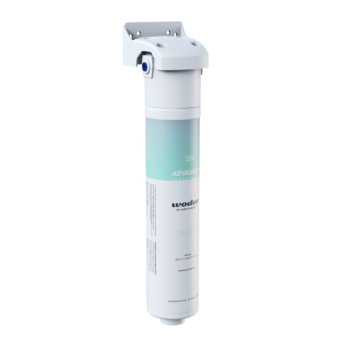
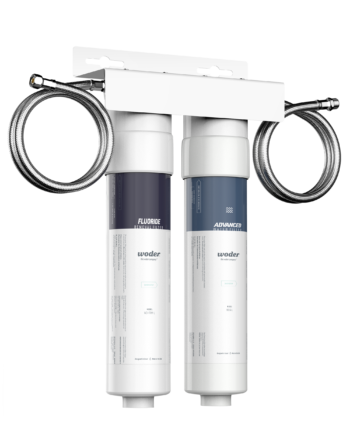
Woder uses proprietary Advanced Selective Filtration technology, which relies on nanoparticles to attract and remove specific contaminants rather than stripping everything from the water indiscriminately. Confirmed removed contaminants include chlorine, lead, chromium 6, mercury, carcinogens, volatile organic compounds, and PFAS — at a 99.9% removal rate for those named contaminants.
Woder filters carry WQA Gold Seal certification, meaning they've been independently verified by the Water Quality Association rather than relying on manufacturer claims alone. In a market where removal claims are common and third-party verification is not, that distinction matters.
Because the filtration is selective by design, beneficial minerals including calcium and magnesium pass through intact. You're not trading chloramine for demineralized water.
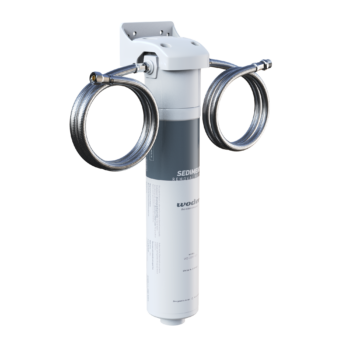
Woder filters install directly to your existing water line under the sink — no plumber required, no storage tank, no wastewater. If you're renting or in an apartment where a permanent under-sink installation isn't practical, the inline models connect without modifying your plumbing.
Not sure which model fits your household? The product finder at woder.com/wizard walks you through the selection based on your setup.
Chloramine vs. Chlorine: A Quick Comparison
| Factor | Chlorine | Chloramine |
|---|---|---|
| Stability in pipes | Dissipates quickly | Stays active longer |
| Disinfection byproducts | Higher THMs and HAAs | Lower THMs, different DBPs |
| Taste and odor | Chemical, bleach-like | Medicinal, pool-like |
| Removed by standard carbon | Yes, effectively | Requires catalytic carbon or longer contact time |
| Corrosiveness to plumbing | Moderate | Higher, especially to older pipes |
| Removed by reverse osmosis | Yes (with carbon pre-filter) | Yes (with carbon pre-filter) |
Testing Your Water for Chloramine
If you're not sure whether your utility uses chlorine or chloramine, your annual Consumer Confidence Report (CCR) is the place to start. Utilities are required to send these to customers each year, and they're also available through the EPA's website. Look for "chloramines" or "combined chlorine" in the disinfectant section.
You can also test your tap water directly. A basic water test kit can confirm whether chloramine is present and at what level. Woder offers water testing options through its site if you want a clear picture of what's actually in your water before choosing a filter.
Common Mistakes When Filtering Chloramine
Assuming any filter handles it. Chloramine is not a default test for most entry-level filters. Read the documentation, not just the marketing copy.
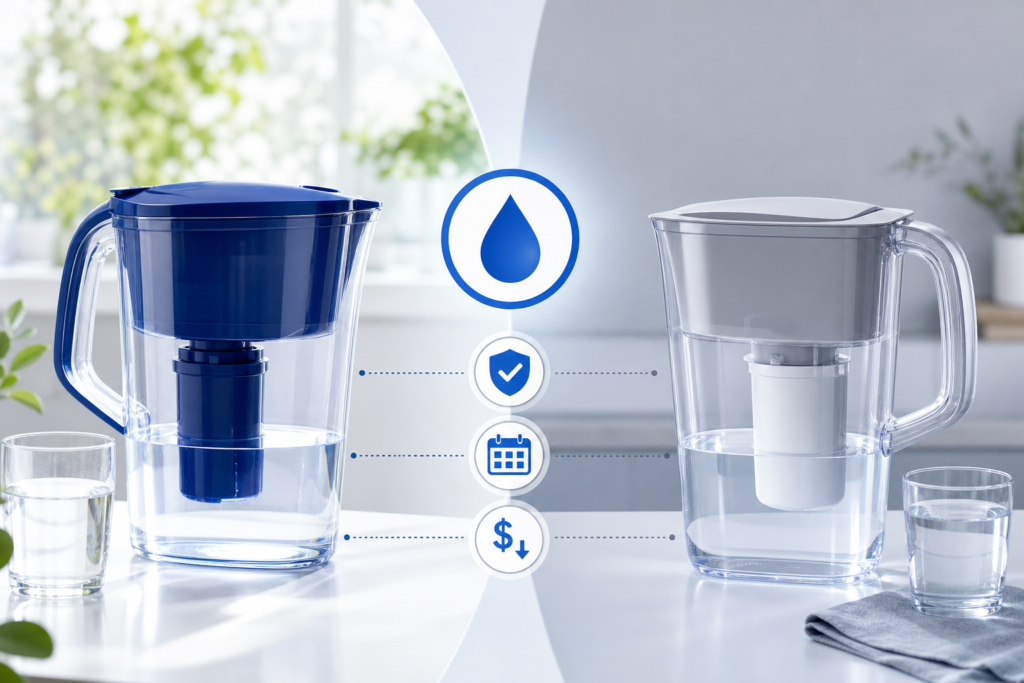
Relying on pitcher filters. Most pitcher-style filters use standard activated carbon rated for chlorine. They typically don't provide adequate contact time or the right media for chloramine. Some higher-end pitchers address this, but it's worth verifying before you buy.
Forgetting about filter lifespan. Chloramine can exhaust filter media faster than chlorine in some systems. Check the manufacturer's guidance on replacement intervals if chloramine is a primary concern.
Choosing RO to solve a mineral problem. If your water has chloramine and you want clean, mineral-rich water, a reverse osmosis system solves one problem while creating another. You lose the minerals you were trying to keep.
Does Boiling Water Remove Chloramine?
This comes up often. Boiling removes chlorine relatively quickly, but it does not effectively remove chloramine. Chloramine is more heat-stable and would require extended boiling times that aren't practical for everyday drinking water. It's not a reliable solution.
FAQs
What is chloramine in drinking water?
Chloramine is a disinfectant formed by combining chlorine with ammonia. Water utilities use it because it's more stable than chlorine alone, staying active longer as water moves through distribution pipes. It's present in the tap water of roughly one in five Americans.
Is chloramine in tap water dangerous?
At regulated levels, the EPA considers chloramine safe for most uses. However, it can be problematic for people with certain sensitivities, fish owners, and dialysis patients. It also creates its own disinfection byproducts and can leach lead from older pipes more aggressively than chlorine.
Does a standard activated carbon filter remove chloramine?
Standard activated carbon handles chlorine well but is not reliably effective for chloramine. Chloramine requires catalytic carbon or a filtration media specifically engineered and tested for it at normal residential flow rates.
Can reverse osmosis remove chloramine?
Yes, RO systems can remove chloramine, typically using a carbon pre-filter to protect the membrane. The drawback is that RO removes everything — including beneficial minerals like calcium and magnesium — and produces wastewater in the process.
How do I know if my tap water contains chloramine?
Check your utility's annual Consumer Confidence Report, which lists the disinfectant used. You can also test your tap water directly using a water testing kit. Look for "chloramines" or "combined chlorine" in the results.
Does boiling water remove chloramine?
No. Boiling removes chlorine relatively quickly, but chloramine is heat-stable and doesn't evaporate effectively during normal boiling. It's not a practical removal method.
What should I look for in a water filter for chloramine?
Look for filters that specifically list chloramine removal in their testing documentation, use catalytic carbon or a verified selective media, carry third-party certification such as WQA Gold Seal, and retain beneficial minerals rather than stripping everything from the water.
Chloramine is in more tap water than most people realize, and it requires a more deliberate filtration choice than chlorine does. The short version: verify that any filter you're considering has been tested and certified for chloramine removal specifically — not just chlorine. If you also want to keep beneficial minerals in your water, look for selective filtration rather than reverse osmosis.
Woder's WQA Gold Seal certified filters are built around targeted contaminant removal. Find the right model for your home at woder.com.