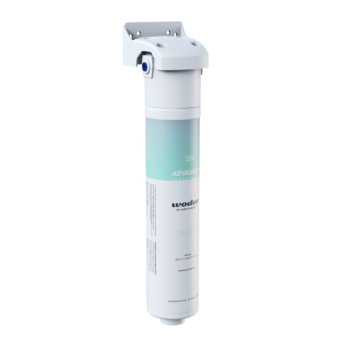
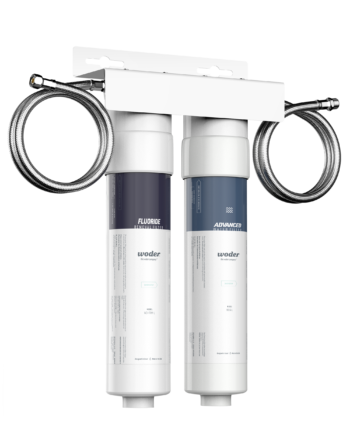
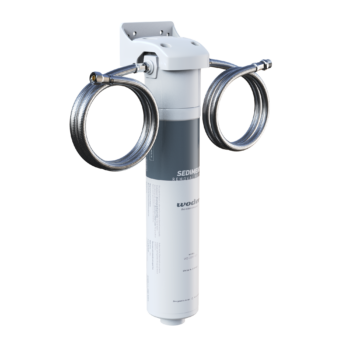
A PFAS removal water filter is only as good as the chemistry inside it. In one major residential study, reverse osmosis and under-sink dual-stage systems removed 94% or more of GenX and other PFAS in most cases, while some activated-carbon filters performed much less consistently, especially on shorter-chain compounds like GenX and PFBA (study). That single difference explains why the label on the box matters less than the design behind it.
PFAS are a large family of man-made chemicals used where water, grease, or heat resistance matters. The carbon-fluorine bond in these compounds is unusually strong, which is why people call them “forever chemicals.” A simple way to think about it is a molecular suit of armor, it protects the compound in the environment and makes it harder for the body to break down or clear away.
For homeowners, that means the question is not whether a filter says “PFAS.” The question is which PFAS it was tested against, how the filter is built, and whether the claim is verified. That’s where the details start to matter.
Table of Contents
- What PFAS Are and Why Homeowners Should Pay Attention
- How PFAS Travel Into U.S. Tap and Well Water
- The Four Filtration Technologies That Reduce PFAS
- Why Filter Design Matters More Than the Label
- The Certifications That Verify PFAS Reduction
- Common Misconceptions That Lead Homeowners Astray
- How to Choose, Install, and Maintain the Right Filter
- What an Informed Filter Choice Looks Like
What PFAS Are and Why Homeowners Should Pay Attention
PFAS are not one chemical. They’re a whole class of compounds built for durability, and that durability is exactly what makes them hard to deal with in water treatment. In the residential point-of-use study above, long-chain PFAS were removed more effectively than short-chain compounds, with some carbon-based filters averaging about 60% to 70% removal for long-chain PFAS versus about 40% removal for short-chain PFAS (study). That’s a useful reminder that PFAS filter is not a single performance category.
Why chemistry matters more than the label
The chemistry is simple to picture once you stop thinking of PFAS as a single thing. A long carbon-fluorine chain behaves differently from a shorter one, and the shorter compounds can slip through some filters more easily. That’s why a filter can look impressive in marketing and still struggle once the compound mix changes.
Practical rule: if a filter claim doesn’t say which PFAS it was tested against, treat it as incomplete.
The household relevance is straightforward. People don’t drink “PFAS in general,” they drink whatever is in their water. A municipal supply and a private well can carry different compounds in different amounts, so the right filter has to match the water, not the slogan.
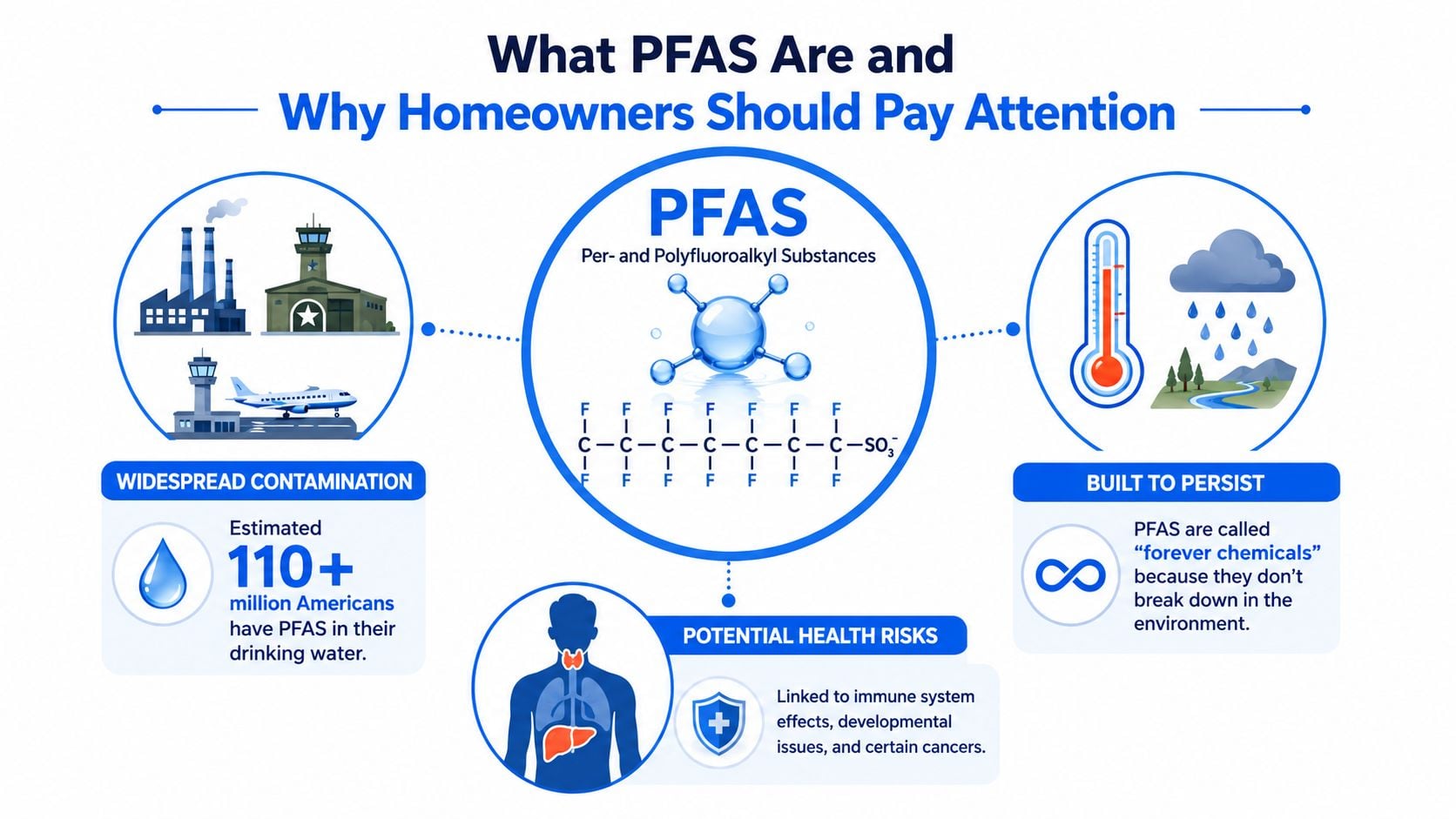
The public conversation often compresses all of this into a single phrase, “forever chemicals,” which is useful but incomplete. The better mental model is persistence plus diversity. PFAS don’t just stick around, they also come in forms that behave differently in a filter bed.
For a broader primer on the chemistry and where these compounds show up, see what PFAS are and why they end up in tap water. That background helps explain why the filtration question starts with the molecule, not the brand.
How PFAS Travel Into U.S. Tap and Well Water
PFAS reach drinking water through familiar water pathways, which is why the issue is not confined to one region or one kind of home. Industrial discharge is one route, firefighting foam is another, and both can move downstream through soil, groundwater, and rivers. Once these compounds enter the water cycle, they tend to travel with it.
The path from source site to faucet
Military bases and airports draw attention because of AFFF firefighting foam use, especially during training and emergency response. Factories and landfills can add to the load, and wastewater systems can concentrate the problem when they receive contaminated inflow. Biosolids spread on farmland create another route, since those materials can carry PFAS into soil and eventually into groundwater.
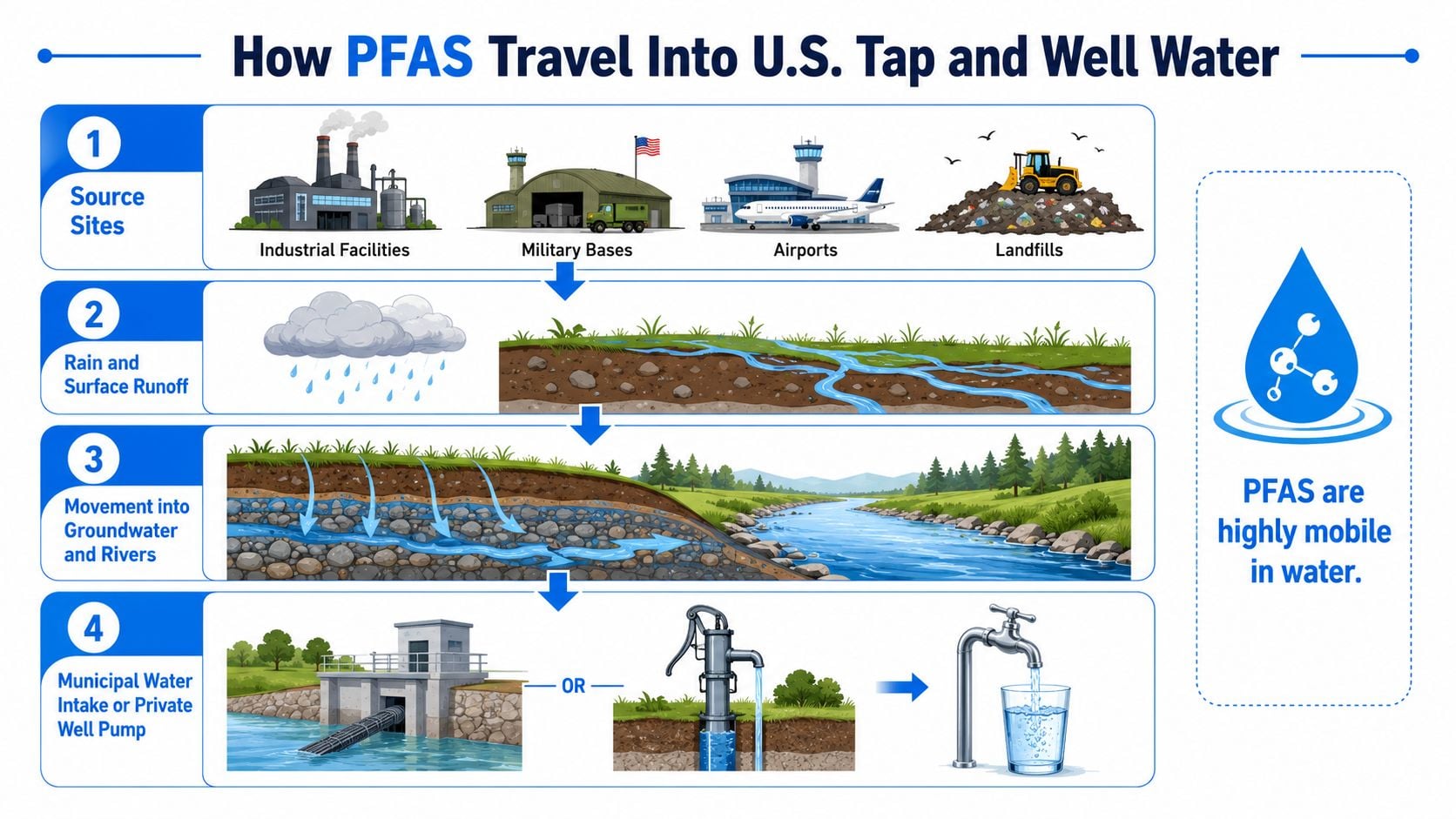
A clear way to follow the movement is layer by layer. A source releases PFAS. Rain and runoff move them into surface water or soil. Groundwater and rivers carry them farther. A treatment plant may draw from that water, or a private well may pull it straight from the aquifer.
Useful check: if a home depends on a private well, there is no municipal safety net looking for contamination trends on the homeowner’s behalf.
That matters because private wells can sit outside routine municipal testing. A household may not notice anything unusual from taste or smell, since PFAS are not the kind of contaminants that announce themselves at the tap. The water can look normal and still carry a meaningful PFAS burden.
For homeowners comparing treatment options, it helps to pair this pathway with a clear product example. Woder WD-G4-DC Lead, Chlorine, HM and PFAS Water Filter is described as an under-sink system that uses advanced selective filtration and retains essential minerals, which is the kind of design difference that becomes relevant once you know how PFAS move through water.
If you want a clearer picture of how membrane systems fit into that decision, this overview of reverse osmosis water filter basics explains the role of pressure-driven filtration in a household setting. For readers who want to compare under-sink options, you can also browse drinking water systems.
The Four Filtration Technologies That Reduce PFAS
EPA research identifies granular activated carbon, ion exchange, reverse osmosis, and nanofiltration as the main drinking-water technologies used for PFAS reduction (EPA). In plain terms, each one either pulls PFAS onto a media bed or pushes water through a barrier that PFAS have a harder time crossing. The label matters less than the design, because contact time, media volume, and membrane behavior all shape the result.
What each technology does to the water
Granular activated carbon, or GAC, works like a sponge with microscopic pore space. PFAS molecules attach to the carbon surface, but performance depends on contact time and cartridge condition. EPA notes that GAC vendors commonly recommend a minimum empty bed contact time of 20 minutes for PFAS removal, and the same EPA source reports maximum GAC removal efficiencies of 90% or greater for PFAS compounds with available data, with greater than 99% for PFOA and PFOS in some cases (EPA).
That gap in performance starts to make sense once you separate long-chain PFAS from short-chain PFAS. Longer-chain compounds are easier for some carbon-based filters to catch, while shorter-chain compounds can pass through more readily if the media bed is undersized or overused.
Ion exchange uses a charged resin to attract and hold PFAS. It can work well in point-of-use formats, but the outcome still depends on flow rate, resin loading, and the quality of the incoming water. If the water moves too quickly, capture drops. If the resin is loaded with competing contaminants, it loses capacity sooner.
Reverse osmosis and nanofiltration use membranes instead of loose media. The membrane acts more like a fine barrier at the molecular level, so it can reject a broader range of contaminants, including many PFAS compounds. The tradeoff is that reverse osmosis also removes minerals along with contaminants, and it creates wastewater during operation. For a plain-language overview of that process, see what reverse osmosis water filters do.
Engineered selective media is a newer approach that targets specific contaminants while leaving beneficial minerals behind. It matters for households that want to reduce PFAS without changing the taste and mineral profile of the finished water too much.
| Technology | How It Reduces PFAS | Key Trade-Off for Homeowners |
|---|---|---|
| Granular activated carbon | Adsorbs PFAS onto carbon surfaces | Needs enough contact time and timely replacement |
| Carbon blocks | Uses denser carbon structure to trap contaminants | Can vary widely by design and may slow flow |
| Ion exchange | Resin binds PFAS molecules | Media life depends on flow and influent load |
| Reverse osmosis | Membrane rejects PFAS and many other dissolved substances | Removes minerals and creates wastewater |
| Nanofiltration | Fine membrane reduces PFAS and other contaminants | Performance depends on membrane design and pressure |
If you want a broad shopping overview, browse drinking water systems from Praz Pure Water, Inc. can help you compare form factors before you narrow down the PFAS-specific question.
Why Filter Design Matters More Than the Label
Two filters can both say PFAS filter and still act very differently at the kitchen sink. That happens because design controls how long water stays in contact with the media, how much media is inside the cartridge, and how well the media matches the PFAS compounds in the water. A label does not show any of that.
Contact time and chain length change the result
A residential study from 2020 found that reverse osmosis and under-sink dual-stage systems delivered the strongest overall results, with 94% or more removal for GenX and other PFAS in most cases. The same study reported that all reverse osmosis and dual-stage filters examined reduced PFEAs by at least 97%, except GenX in one case that stayed above 74% to 75% removal depending on system type. It also showed that long-chain PFAS were removed more effectively than short-chain compounds in some carbon-based filters. (study)
That difference is why empty bed contact time matters. If water moves through a cartridge too quickly, the PFAS molecules have less time to attach to the media, the way dust misses a sticky surface when the surface is only brushed past. If influent concentration rises, the cartridge also reaches breakthrough sooner. Those are mechanical realities, not marketing language.
A 2024 review adds an uncomfortable but important point. Few point-of-use systems are tested under real-use conditions, long-term performance is uncertain, and poorly maintained activated-carbon systems may even increase PFAS in purified water (review). That is why replacement schedules matter as much as the original install.
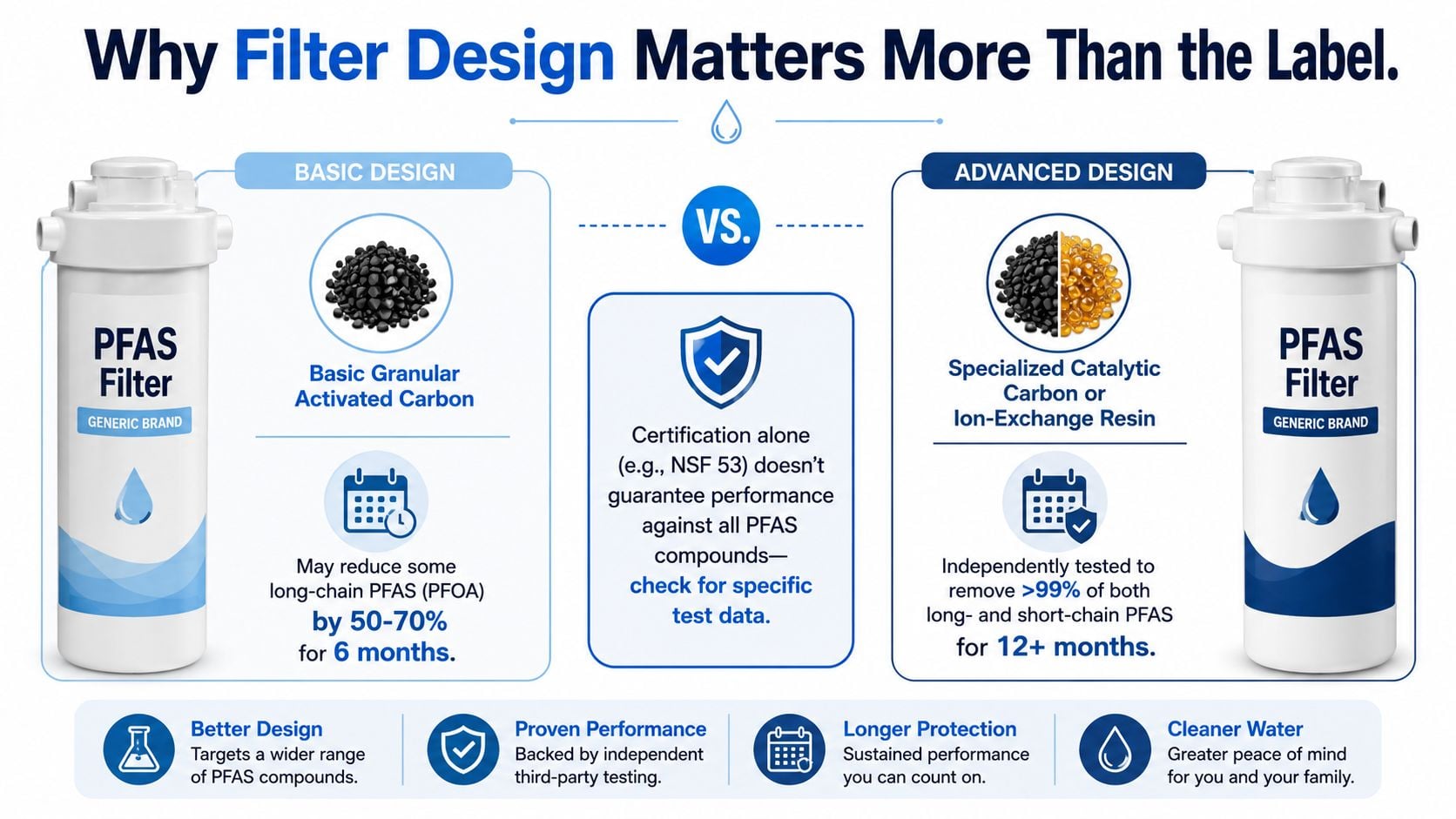
Bottom line: a PFAS claim is only as strong as the test conditions behind it.
For homeowners comparing technologies in practice, the best water filtration for Vancouver homes overview is a useful way to think about whole-system tradeoffs before settling on a tap-level solution. If the terminology around certifications and standards still feels like alphabet soup, a plain-language guide to water quality certification terms can help you sort out what the labels are proving. The same logic applies anywhere. Match the filter design to the actual water, not the broadest label.
The Certifications That Verify PFAS Reduction
Certification is the quickest way to separate a real PFAS claim from a vague one. The names that matter most are NSF/ANSI 53, NSF/ANSI 58, and NSF P473. Each one verifies a different kind of performance, and those differences matter at the kitchen sink.
What the standards tell you
EPA says consumers should look for certification to NSF/ANSI 53 or NSF/ANSI 58 when selecting a filter for PFAS reduction, and verify the product in the certification body's directory if there's any doubt (EPA fact sheet). NSF says a filter making a PFAS reduction claim must reduce PFAS to below 20 parts per trillion to earn that claim, and it identifies NSF/ANSI 53 and 58 as the relevant pathways for drinking-water PFAS reduction (NSF).
Washington State's PFAS point-of-use guidance gives the standards a more concrete shape. For NSF P473, it describes an initial 1,500 ppt PFOS plus PFOA challenge reduced to 70 ppt or less, and for the broader Total PFAS standard it describes 2,160 ppt mixed PFAS reduced to 20 ppt or less (Washington State guidance). That helps because the certification is tied to a known test challenge, not a loose marketing promise.
How to check a claim before you buy
- Find the mark on the package. EPA says certification marks are typically printed on the packaging, so this is the first check.
- Confirm the listing in the public directory. The mark tells you the claim exists, but the directory tells you whether the exact model was certified.
- Match the certification to the water. A claim about PFOS and PFOA is different from a claim about total PFAS or short-chain compounds.
The label vocabulary can feel like a pile of acronyms, which is why a plain-language guide to the standards can help. For a clear walkthrough of the certification terms, see WQA NSF ANSI WTH water quality alphabet soup. The point is not to memorize every abbreviation. It is to know which label verifies the contaminant you are trying to reduce.
Common Misconceptions That Lead Homeowners Astray
The hardest part of buying a PFAS removal water filter is not the technology. It's the assumptions people bring to the search. Three of them show up over and over again, and each one can push a homeowner toward the wrong cartridge.
The three mistakes to watch for
Any carbon filter will catch PFAS. Some will help, but not all carbon media are equal. The studies above showed wide variation, and short-chain PFAS were harder to remove than long-chain compounds in some carbon-based filters. Cartridge condition and contact time matter just as much as the carbon itself.
Zero TDS means pure water. It doesn't. Zero total dissolved solids means dissolved minerals have been stripped out along with other things, good and bad alike. That's why a zero-TDS reading is better understood as distilled water behavior, not a guarantee of healthy drinking water.
Once installed, a PFAS filter keeps working forever. It won't. Cartridges have a service life, and that life depends on incoming PFAS levels, flow, and maintenance. A neglected cartridge can lose performance, and some systems can even let previously captured PFAS reappear in the outlet water if they're left in service too long.
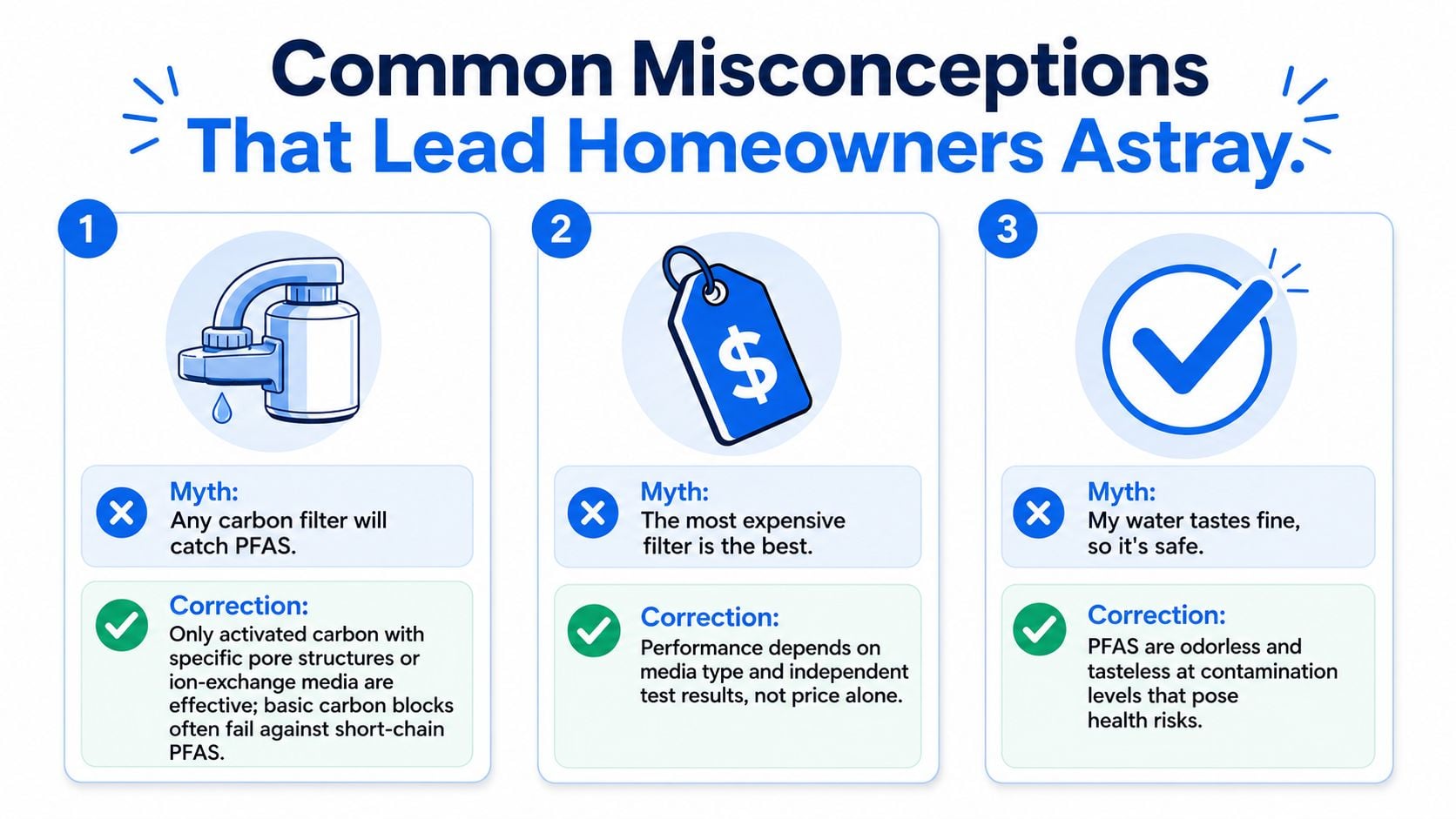
Simple test: if a filter claim doesn't mention replacement guidance, assume the performance promise is incomplete.
Selective filtration has a practical appeal. Systems that retain essential minerals avoid the false choice between “clean” and “tasteful.” They also avoid the reflex to chase a low TDS number that tells you very little about specific contaminant reduction.
How to Choose, Install, and Maintain the Right Filter
Start with the water, not the product. If you're on municipal water, review the latest Consumer Confidence Report and look for PFAS-related findings or treatment notes. If you're on a private well, a lab test is the smarter first move because the water utility isn't sampling for you.
Match the system to the test result
Once you know what's in the water, pick a technology that fits the contaminant profile. NSF P473 is the clearest shorthand when the goal is verified PFAS reduction, while NSF/ANSI 53 and 58 can also be relevant depending on the system type. If you're comparing under-sink units, check whether the manufacturer documents the flow rate and the contact time used during testing.
Then look at the tradeoffs you care about. Reverse osmosis gives strong contaminant reduction, but it also removes minerals and wastes water during the process. Selective filtration and some advanced carbon or resin systems preserve more of the water's natural mineral content, which matters to people who want the tap to taste like water, not like an empty vessel.
Maintenance matters as much as installation. Replace cartridges on schedule, track the date, and don't assume a filter is still performing just because the faucet keeps flowing.
If your source water is heavy with sediment, a pre-sediment filter can extend cartridge life. That's especially useful in wells or older plumbing, where debris can load the media faster than PFAS alone would.
The practical goal is not to buy the most complicated setup. It's to choose a system whose certification, flow behavior, and maintenance pattern fit your water. One of the advantages of a point-of-use approach is that it can be matched to a single sink, appliance line, or drinking tap without overbuilding the rest of the house.
What an Informed Filter Choice Looks Like
An informed choice comes down to three things. Technology tells you how the filter treats PFAS and what it gives up in return, like minerals, flow, or water efficiency. Certification tells you whether the PFAS claim was tested. Maintenance tells you whether the performance will still be there months later.
A filter label can sound confident and still leave out the part that matters most. Two systems may both mention PFAS reduction, yet one may rely on longer contact time, a different media blend, or a narrower claim that only applies under specific test conditions. That is why the design matters as much as the marketing copy, and why the distinction between long-chain and short-chain PFAS should stay in view. Long-chain compounds are often easier for carbon and resin systems to capture, while shorter-chain compounds can pass through more easily unless the system is built and certified for that job.
The best fit is not the most aggressive system on paper. It is the one that matches the water profile, the household's taste preferences, and the level of upkeep the home will realistically follow. If you want a tap-level system, that often means starting with a lab report or utility report, then comparing verified standards instead of broad marketing language. Contact time matters here too, because water that moves too quickly through a cartridge gives the media less chance to bind PFAS, the same way a sponge has less time to soak up a spill when water runs over it too fast.
If you want a next step today, review your utility's Consumer Confidence Report or order a lab test if you're on a private well. Then compare the result against the certification and service life of any PFAS removal water filter you're considering.
A practical way to think about it is simple. First identify what is in the water. Then match that to a system with a specific PFAS reduction claim, a flow rate that fits daily use, and a maintenance plan your household can keep up with.
Woder Filters offers U.S.-made point-of-use systems designed to remove targeted contaminants while retaining essential minerals, which makes them relevant for homeowners weighing PFAS reduction against taste and water waste. If you're ready to compare options with that balance in mind, visit Woder Filters and look at the systems, replacement cartridges, and support materials side by side.