- Why Water Filter Maintenance Actually Matters
- How Often Should You Replace a Water Filter Cartridge?
- Signs Your Filter Needs Attention Right Now
- What to Clean and When
- Annual Maintenance Checklist
- Maintenance by Filter Type: Quick Reference
- Common Maintenance Mistakes to Avoid
- How to Know If Your Filter Is Actually Working
- FAQs
- Keep the Filter Working as Hard as You Need It To
Most people install a water filter, enjoy better-tasting water for a few months, and then forget about it entirely. That's understandable — filters are designed to work quietly in the background. But maintenance isn't optional if you want yours to keep doing its job.
A neglected filter doesn't just gradually lose effectiveness. It can reach a point where it passes more contaminants than it blocks, or where bacterial growth inside a saturated cartridge introduces problems that weren't there before. This guide covers exactly what to check, what to clean, and when to replace every component of a residential water filter system — whether you have an under-sink unit, an inline fridge filter, or a whole-house setup.
Why Water Filter Maintenance Actually Matters
A filter cartridge works by physically capturing or chemically binding contaminants as water passes through it. Over time, those binding sites fill up. Once a cartridge is saturated, it has no remaining capacity to remove what you installed it to remove.
The problem is that this happens invisibly. Your water may still look clear and taste fine even after a cartridge has exceeded its rated capacity. You won't notice the difference until you test the water — or until someone in the household starts reacting to something that was supposed to be filtered out.
There's a secondary issue too: stagnant water inside a cartridge that hasn't been flushed regularly can become a breeding ground for bacteria. This is especially true for carbon-based filters, which create a moist, nutrient-rich environment when left idle for weeks.
Staying on top of maintenance protects both the filter's performance and your household's water quality.
How Often Should You Replace a Water Filter Cartridge?
Replacement intervals vary by filter type, household size, and water quality. Here are the general benchmarks:
Under-sink filters: Most under-sink cartridges are rated somewhere between 500 and 10,000 gallons depending on the model. A household using roughly 2 to 3 gallons of filtered water per day goes through about 730 to 1,095 gallons per year — meaning a 5,000-gallon cartridge could last four or more years, while a 500-gallon cartridge might need replacing every six months.
Inline fridge filters: These typically carry a 6-month or 200-gallon recommendation, whichever comes first. Fridge filters often sit idle between uses, which accelerates the need for replacement even if the gallon count hasn't been reached.
Pitcher and countertop filters: Smaller cartridge size means more frequent changes — usually every two to three months.
Whole-house sediment filters: Pre-filters in a whole-house system often need replacement every three to six months, while the main filtration stage may last 12 months or more.
The simplest habit is to track your start date when you install a new cartridge. Write it directly on the cartridge with a marker, or set a calendar reminder. Some households keep a short log near the filter with the installation date and rated capacity.
If your water comes from a private well or a municipal supply known for high sediment or elevated contaminant levels, replace cartridges more frequently than the manufacturer's rated interval. Those ratings assume average tap water conditions.
Signs Your Filter Needs Attention Right Now
Don't wait for the calendar if you notice any of these:
- Reduced flow rate. A slow trickle from your filtered tap usually means a clogged or saturated cartridge. Sediment and particulate matter accumulate in the filter media and physically restrict flow.
- Return of chlorine smell or taste. If your water starts tasting or smelling like the tap water you were trying to avoid, the carbon in the cartridge is likely exhausted.
- Cloudy or discolored water. Turbidity coming through a filter that previously ran clear suggests the media has broken down or the cartridge housing has a leak.
- An unusual taste that wasn't there before. A musty or off-putting flavor can indicate bacterial growth inside a saturated or idle cartridge.
- Visible sediment in your glass. Fine particles making it through the filter suggest the cartridge has failed or was installed incorrectly.
Any of these warrants immediate inspection — not a note to check it next month.
What to Clean and When
Filter Housing and O-Rings
The cartridge gets replaced, but the housing stays. Over time, mineral deposits, biofilm, and sediment can build up inside it. When you swap a cartridge, take five minutes to clean the housing too.
Rinse it with clean water and wipe the interior with a clean cloth. For stubborn mineral buildup, a diluted white vinegar solution works well. Rinse thoroughly before installing the new cartridge.
Check the O-ring every time you change the cartridge. These rubber seals dry out, crack, or deform over time. A damaged O-ring causes slow leaks that are easy to miss until they've done real damage to a cabinet. Replace it if it looks flattened, cracked, or deformed in any way.
Faucet Aerators and Dispenser Heads
If your under-sink filter connects to a dedicated dispenser faucet, the aerator can accumulate mineral scale. Remove and rinse it every few months. A short soak in white vinegar dissolves calcium and lime deposits quickly.
Inline Filter Connections
For inline filters connected to a refrigerator or ice maker, check the push-fit connections at each end every time you replace the cartridge. Push the tubing firmly into the fitting and give it a gentle tug to confirm it's seated. Loose connections cause slow drips that are easy to miss behind a fridge.
Annual Maintenance Checklist
Once a year, run through this complete check regardless of whether anything seems wrong:
1. Replace the cartridge if it's within six months of its rated interval. Don't wait until it's technically due. The cost of a replacement cartridge is far lower than the cost of drinking unfiltered water for weeks while you wait for one to arrive.
2. Inspect all tubing and connections for leaks, kinks, or discoloration. Flexible tubing under a sink can kink if something gets pushed against it. Kinked tubing reduces flow and can crack over time. Replace any section that looks brittle or discolored.
3. Test your water. This is the step most households skip, and it's arguably the most important. A water test tells you what's actually in your water before and after filtration, so you know whether the filter is performing as expected. Woder offers water testing kits at woder.com that let you check your water at home without sending a sample to a lab.
4. Check the filter housing for cracks. Plastic housings can develop hairline cracks, especially in under-sink environments where temperature fluctuates. Run your hand along the housing while water is flowing to feel for any moisture.
5. Flush the new cartridge before use. After installing a replacement, run water through the filter for several minutes before drinking it. This clears out any carbon fines or manufacturing residue from the new media.
6. Update your replacement date log. Record the installation date and the cartridge's rated capacity so you have a clear reference for the next cycle.
Maintenance by Filter Type: Quick Reference
Under-Sink Filters
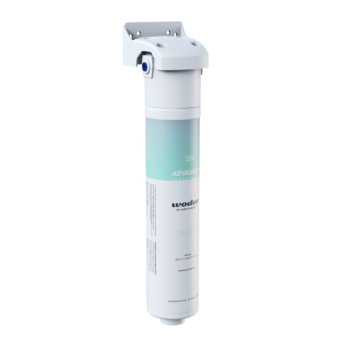
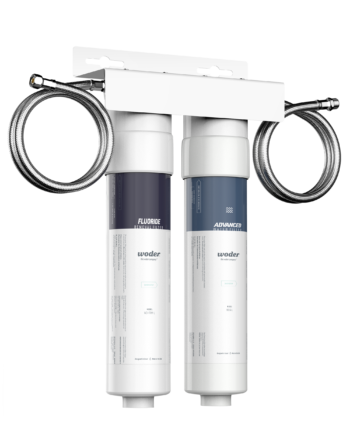
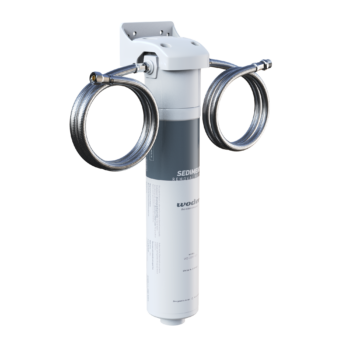
Under-sink units connect directly into your existing cold water line and don't require a plumber to install or maintain. Cartridge replacement is a straightforward DIY task: shut off the supply valve, relieve pressure by opening the faucet, unscrew the housing, swap the cartridge, and reinstall. The whole process takes about 10 to 15 minutes.
Because under-sink filters handle all the drinking and cooking water in a household, they tend to reach capacity faster than fridge filters. A household of four that cooks with filtered water will exhaust a cartridge faster than a single person using it only for drinking — so track your usage honestly.
Woder's under-sink models, including the WD-D-8K-FRM-ADV-DC and the high-flow WD-10K-ADV-PORT, use Advanced Selective Filtration to remove lead, chlorine, chromium 6, mercury, PFAS, carcinogens, and VOCs at a 99.9% removal rate while preserving calcium, magnesium, and other beneficial minerals. The WQA Gold Seal certification means those performance claims have been independently verified — not just printed on a box.
Inline Fridge Filters
Inline fridge filters sit in the water line between your home's supply and the refrigerator's ice maker and dispenser. They're a practical option for renters and apartment dwellers who can't modify plumbing under a sink, since they require no permanent installation.
The maintenance routine is simple: replace the cartridge every six months or at the manufacturer's rated gallon count, check the push-fit connections at each end, and flush the new cartridge before using the ice maker or dispenser.
Pitcher Filters
Pitcher filters need the most frequent cartridge changes — often every two months. The housing itself should be washed with mild soap and water monthly. Skip the dishwasher, which can warp the plastic. Storing the pitcher in the refrigerator slows bacterial growth in the water reservoir.
Whole-House Systems
Whole-house systems typically run multiple filter stages: a sediment pre-filter, a main filtration stage, and sometimes a post-filter or UV stage. Each stage has its own replacement schedule. The sediment pre-filter usually needs the most frequent attention, since it catches the largest particles and clogs faster than the main stage.
If your system has a pressure gauge, check the reading before and after the filter housing. A significant pressure drop across the housing is a reliable sign the pre-filter needs replacement.
Common Maintenance Mistakes to Avoid
Ignoring the installation date. The most common maintenance failure is simply losing track of when a cartridge was installed. Without that date, you're guessing.
Replacing only when flow drops. By the time flow rate has noticeably decreased, the cartridge has often been exhausted for weeks. Slow flow is a lagging indicator, not an early warning.
Skipping the flush after installation. New cartridges contain carbon fines and manufacturing residue. Always flush before drinking.
Using incompatible replacement cartridges. Not all cartridges are interchangeable. Using one not designed for your housing can create bypass channels where water flows around the filter media rather than through it. Always match the replacement cartridge to your specific model.
Letting a filter sit idle for months. If the filter won't be used for more than two weeks, flush the system thoroughly when you return. Some manufacturers recommend replacing the cartridge after extended idle periods.
How to Know If Your Filter Is Actually Working
The most reliable way to verify performance is to test your water. A basic home test kit can check for chlorine, lead, pH, and hardness. More comprehensive kits cover a broader range of contaminants.
For a useful baseline, test your unfiltered tap water first, then test the filtered output and compare. A properly functioning filter should show a clear reduction in the contaminants it's rated to remove.
If you're on a municipal supply, your water utility publishes an annual water quality report — sometimes called a Consumer Confidence Report — that lists detected contaminants and their levels. It's a useful starting point for understanding what your filter needs to handle.
FAQs
How often should I replace my under-sink water filter cartridge?
It depends on the cartridge's rated capacity and your household's daily water use. Most under-sink cartridges are rated between 500 and 10,000 gallons. Divide the rated capacity by your daily filtered water use to estimate how many months it should last. When in doubt, replace it before it reaches the end of its rated interval rather than after.
Can I clean a water filter cartridge instead of replacing it?
For most residential cartridges, no. Carbon block and selective filtration media cannot be meaningfully cleaned once they've captured contaminants. Rinsing or backwashing a saturated cartridge does not restore its filtration capacity. Pleated sediment pre-filters can sometimes be rinsed and reused a few times, but they still need periodic replacement.
What happens if I don't replace my water filter on time?
An overdue cartridge loses its ability to remove contaminants. Depending on the filter type, it may also release previously captured contaminants back into the water as the media becomes oversaturated. A return of chlorine taste or odor is usually the first thing you'll notice.
How do I know if my water filter is working correctly?
Test your water. Comparing your unfiltered tap water to your filtered output with a home test kit is the most direct way to verify performance. A significant reduction in the contaminants the filter is rated for confirms it's working. Woder's water testing kits are available at woder.com for at-home testing.
Does my inline fridge filter need the same maintenance as an under-sink filter?
The replacement schedule is different. Inline fridge filters typically need replacement every six months regardless of gallon count, partly because they sit idle between uses and can develop bacterial growth. Under-sink filters are used more continuously and are rated for higher gallon counts, so they often last longer between replacements.
Should I flush a new filter cartridge before drinking the water?
Yes, always. New cartridges contain carbon fines and residue from the manufacturing process. Run water through the filter for several minutes after installation before using it for drinking or cooking. The water that comes out during this flush isn't harmful, but it may look slightly gray or discolored from the carbon fines.
Does water quality affect how often I need to replace my filter?
Significantly. High sediment, heavy chlorination, or elevated contaminant levels will push your filter to capacity faster than the manufacturer's rated interval assumes. Households on well water or in areas with known contamination issues should replace cartridges more frequently and test their water regularly to stay ahead of any performance decline.
Keep the Filter Working as Hard as You Need It To
Water filter maintenance comes down to three things: knowing when your cartridge was installed, replacing it before it's exhausted rather than after, and doing a quick annual check of the housing, connections, and tubing.
A properly maintained filter does exactly what you installed it to do. A neglected one is, at best, a placebo — and at worst, a source of new problems.
If you're not sure which Woder model fits your household's flow rate and contaminant concerns, the product finder at woder.com matches you to the right filter based on your specific situation. Replacement cartridges for every model in the lineup are available there as well.