- What a Water Softener Actually Does
- What a Water Filter Actually Does
- Water Softener vs Water Filter: Side-by-Side
- Can You Use Both?
- Which Problem Are You Actually Trying to Solve?
- What About Reverse Osmosis?
- Finding the Right Filter for Your Home
- Frequently Asked Questions
If you've been researching home water treatment, you've probably seen both terms come up. Water softener. Water filter. They sound related, but they solve completely different problems — and buying the wrong one means spending real money on something that won't fix what's actually bothering you.
Here's exactly what each system does, when you need one, and when you might need both.
What a Water Softener Actually Does
A water softener targets hardness minerals — specifically calcium and magnesium ions that make water "hard." Hard water leaves chalky scale on your faucets, spots on your dishes, and a filmy feeling on your skin after a shower. Over time, it also shortens the life of water heaters and appliances.
Softeners work through ion exchange: they swap calcium and magnesium ions for sodium ions, which don't cause scale. The result is softer water that's easier on your pipes and plumbing.
What a softener won't do is remove lead, PFAS, chlorine, chromium 6, mercury, or volatile organic compounds. It has no meaningful effect on the contaminants that make water unsafe to drink. A softened water supply can still carry serious health-related contaminants.
Signs You Might Have Hard Water
- White, chalky deposits around faucets and showerheads
- Dishes come out of the dishwasher spotted
- Soap won't lather properly
- Your water heater runs less efficiently than it should
- Laundry feels stiff or looks dull
Hard water is a household maintenance problem. Annoying and costly over time — but not a drinking water safety issue.
What a Water Filter Actually Does
A water filter removes contaminants that affect your health and the taste of your water. Depending on the type, that includes lead, PFAS, chlorine, chloramines, chromium 6, mercury, carcinogens, and volatile organic compounds.
Not all filters are equal, though. A basic carbon pitcher filter handles chlorine and some taste issues but won't touch lead or PFAS. A reverse osmosis system removes nearly everything — including the calcium and magnesium your body actually needs — and wastes a significant amount of water in the process.
There's a middle ground most people don't know about.
Remove the Bad. Keep the Good.
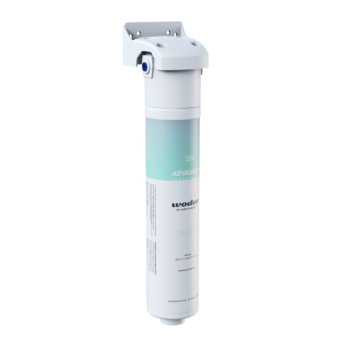
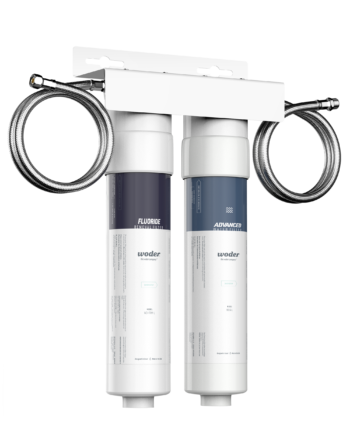
Woder Filters uses Advanced Selective Filtration technology — nanoparticles that attract and remove harmful contaminants while leaving naturally occurring minerals intact. Lead, chlorine, PFAS, chromium 6, mercury, VOCs: gone. Calcium and magnesium: still there.
That distinction matters. Your water ends up clean and mineral-rich, not stripped bare.
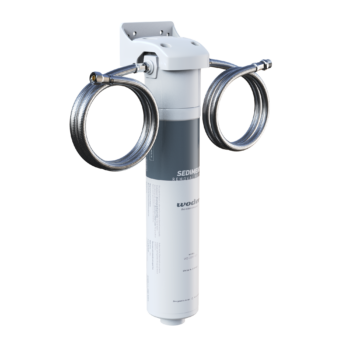
Woder filters install directly into your existing water line under the sink. No plumber, no tank, no whole-home overhaul. Built in the US, installed in minutes.
Water Softener vs Water Filter: Side-by-Side
| Feature | Water Softener | Water Filter (Selective) |
|---|---|---|
| Removes hardness minerals | Yes | No |
| Removes lead | No | Yes |
| Removes PFAS | No | Yes |
| Removes chlorine | No | Yes |
| Removes chromium 6 | No | Yes |
| Preserves calcium and magnesium | No (replaces with sodium) | Yes |
| Affects drinking water safety | No | Yes |
| Whole-home installation required | Typically yes | No |
| Produces wastewater | No | No (non-RO filters) |
| Adds sodium to water | Yes | No |
These two systems solve different problems. One protects your pipes and appliances. The other protects your health.
Can You Use Both?
Yes — and in some homes, it makes sense. If you have very hard water and you also want clean drinking water, a softener handles scale throughout the house while an inline or under-sink filter handles drinking water quality at the tap.
Just don't assume one covers the other. Many homeowners with whole-home softeners are still drinking water that contains lead or PFAS, simply because they believe the softener is doing more than it actually does.
Which Problem Are You Actually Trying to Solve?
Before spending money on either system, ask yourself a few honest questions.
Do you have scale buildup, appliance damage, or soap lathering problems? That points to hard water. A softener addresses those symptoms directly.
Are you concerned about what's in your drinking water? Lead from old pipes, PFAS from industrial contamination, chlorine from the treatment plant? That's a filtration problem, not a softening problem.
Did you recently move, have a baby, or come across something alarming about your local water supply? Those are common triggers — and they almost always point toward filtration. Your concern is likely about contaminant removal, not water hardness.
Are you buying bottled water because you don't trust the tap? A quality inline filter is almost certainly a better answer, both financially and environmentally.
Most people searching "water softener vs water filter" are actually worried about drinking water safety. If that's you, a filter is what you need.
What About Reverse Osmosis?
RO systems do filter contaminants, but they strip everything out — including the minerals your body benefits from. They require a storage tank, produce wastewater, and typically need professional installation. For most homeowners, that's more than the problem calls for.
Selective filtration gives you the contaminant removal without those trade-offs. No wastewater. No tank. No stripped minerals. No plumber.
Finding the Right Filter for Your Home
Woder makes multiple filter models to match different household flow rates and setups, from compact residential units to high-flow options. The interactive Wizard at woder.com/wizard helps you find the right fit based on your specific situation — no guesswork required.
If you want to know what's actually in your water before deciding, Woder also offers water testing kits so you're working from facts, not assumptions.
Frequently Asked Questions
Does a water softener make water safe to drink?
No. A softener removes hardness minerals through ion exchange, but it does not remove lead, PFAS, chlorine, chromium 6, or other contaminants that affect drinking water safety. You need a water filter for that.
Can a water filter replace a water softener?
Not if you have a genuine hard water problem. Filters remove contaminants but aren't designed to address scale buildup, appliance wear, or the other symptoms of hard water. They serve different purposes.
Does a water softener add sodium to drinking water?
Yes. The ion exchange process replaces calcium and magnesium with sodium ions. For most people this is a minor concern, but if you're on a low-sodium diet or managing certain health conditions, it's worth knowing. A water filter does not add sodium.
What does selective filtration remove that a softener doesn't?
A selective filter like those from Woder removes lead, PFAS, chlorine, chromium 6, mercury, carcinogens, and volatile organic compounds — while preserving naturally occurring minerals. A softener removes none of those contaminants.
Do I need both a water softener and a water filter?
In some homes, yes. If hard water is causing scale and appliance wear, a softener handles that. If you also want clean, safe drinking water, an inline or under-sink filter handles that separately. They work on different problems and can coexist without issue.
How hard is it to install an under-sink water filter?
Woder's full product line installs directly into an existing water line — no plumber needed. The process typically takes minutes and requires no major plumbing changes.
How do I know which water problem I actually have?
A water testing kit is the most direct answer. Testing tells you whether you're dealing with hardness, contaminants, or both — so you can spend money on the right fix. Woder offers testing kits to help you start from a clear picture of what's actually in your water.
Your water should work for you, not against you. Whether you need a softener, a filter, or both, the answer starts with understanding what's actually coming out of your tap. Head to woder.com to explore your options and use the Wizard to find the right fit for your home.