- Why Social Proof Matters More for Water Filters
- What Customers Consistently Praise
- What to Watch For: Honest Concerns
- How to Verify Current Certifications and Specs
- The Overall Pattern
- Frequently Asked Questions
When you're buying a water filter, marketing copy only gets you so far. What you really want to know is how it performs in an actual kitchen, with actual water pressure, on an ordinary morning. That's where customer reviews come in.
This page pulls together what customers and independent reviewers consistently say across Woder's product line — not just one model. If you're trying to decide whether a Woder filter fits your home, here's what the broader pattern of feedback looks like, including the friction points worth knowing before you buy.
Why Social Proof Matters More for Water Filters
Water filtration is a trust purchase. Contaminants are invisible. Chlorine at low levels is often undetectable by taste. You're relying on a device to do something you can't directly observe, which is exactly why reviews carry more weight here than they do for most household products.
The questions buyers are really asking are practical: Does the water actually taste better? Can a non-plumber install this? Does flow rate take a noticeable hit? And is the filtration meaningful, or just a marketing claim?
Across review platforms, installer forums, and comparison sites, a few consistent themes emerge for Woder filters.
What Customers Consistently Praise
Taste and Mineral Retention
This is the most frequently cited benefit, and it's the one that most clearly sets Woder apart from reverse osmosis systems. Customers repeatedly describe filtered water that tastes clean without tasting flat — a distinction that matters more than it might sound.
RO systems are effective at removing contaminants, but they also strip out calcium, magnesium, and other minerals that give water its natural character. Woder's Advanced Selective Filtration technology is built around that tradeoff. The nanoparticle-based filtration targets contaminants while leaving beneficial minerals intact. Reviewers who've come from RO setups often mention this directly, noting that Woder water has a more rounded, natural quality compared to the slightly hollow taste of fully demineralized water.
For some customers, this isn't just a preference — it's the reason they switched. Many RO users eventually add a remineralization stage to restore what the membrane removed. Woder skips that step entirely.
Installation Ease
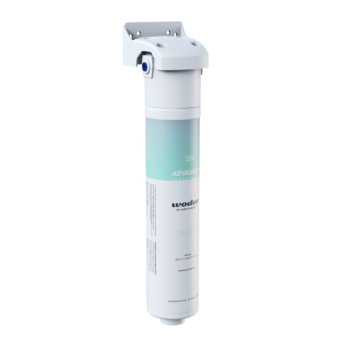
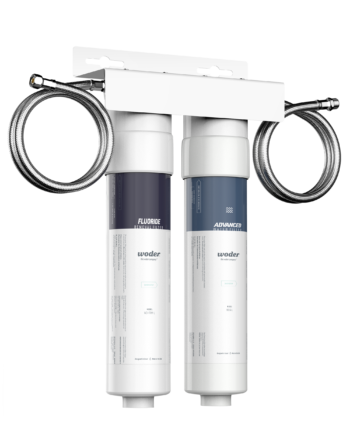
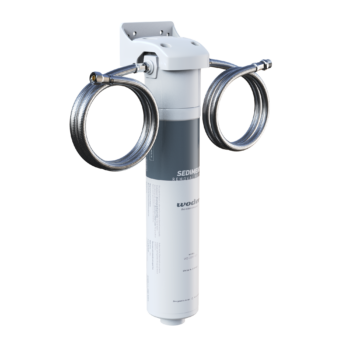
Under-sink installations can range from simple to genuinely frustrating depending on the product. Woder consistently earns positive marks here. The inline design connects directly into an existing water line, which means no new faucet holes, no significant plumbing reconfiguration, and no need to call anyone in.
Customers with basic DIY comfort regularly report finishing the installation in under 30 minutes. Standard fittings, a compact form factor, and clear instructions all contribute to that. Independent installer guides and home improvement forums tend to categorize Woder as one of the more accessible under-sink options for non-plumbers — a meaningful distinction in a category where installation complexity is a real barrier.
Confidence in Contaminant Removal
Woder's manufacturer specifications include removal of lead, chlorine, chloramines, heavy metals, and other common tap water contaminants, with removal rates cited up to 99.9% for certain contaminants as a product specification.
Customers who use well water or live in areas with known water quality issues frequently mention noticing a difference — both in taste and in the absence of metallic or chemical notes their tap water previously carried. Reviewers in older homes, where lead pipes remain a concern, specifically call out peace of mind around lead removal as a deciding factor.
One important note: certifications and contaminant removal specs can change between product generations. For the most accurate picture of what the current filter is rated to remove and under what testing conditions, check the live product page at woder.com rather than relying on older review content.
Value Against RO Systems and Bottled Water
Reverse osmosis systems are effective, but they come with real costs: higher upfront price, professional installation in many cases, ongoing membrane replacement, and significant water waste per gallon filtered. Woder's inline design sidesteps most of that.
Customers frequently describe Woder as the practical middle ground — meaningfully better than a pitcher filter or faucet-mount attachment, without the complexity and expense of a full RO system. For renters or anyone who doesn't want to modify their plumbing, this value framing comes up again and again as a primary reason for choosing Woder.
What to Watch For: Honest Concerns
Cartridge Replacement Costs
The most consistent friction point across Woder reviews is the ongoing cost of cartridge replacement. These filters aren't designed to be cleaned and reused indefinitely — cartridges have a rated lifespan and need to be swapped out periodically.
For buyers who factor this in upfront, the math still compares favorably to bottled water over time. But reviewers who didn't account for replacement costs at purchase sometimes express surprise. Before buying, check the current cartridge pricing and replacement interval on the product page so you're working with the full cost of ownership, not just the sticker price.
Flow Rate
A smaller number of reviewers mention a reduction in flow rate, particularly in homes where water pressure is already on the lower end. This is a characteristic of inline filtration generally — any filter media creates some resistance — and isn't unique to Woder.
Woder offers multiple models with different flow rate ratings, and reviewers who matched the right model to their household's usage and pressure generally don't flag this as a problem. It's worth doing that homework before you buy rather than after.
It's also worth knowing that some older reviews online reference discontinued models, including earlier Gen3 versions. Those products used different filtration cartridges than the current Gen4 line, and their performance characteristics aren't directly comparable. If a review mentions a specific older model number, verify whether it applies to current products before drawing any conclusions.
Point-of-Use Coverage
Woder's under-sink and inline filters are point-of-use devices. They filter water at the specific tap where they're installed — not throughout the home. Reviewers occasionally note that other faucets remain unfiltered, which matters if you have concerns about water quality at multiple points in the house.
This isn't a flaw in the product; it's a category characteristic. But it's worth understanding before purchase, especially for households with broader water quality concerns.
How to Verify Current Certifications and Specs
Product specifications and certifications change between generations. What applied to a Gen3 model may not apply to the current Gen4 cartridge, and third-party review sites and comparison articles sometimes lag behind those updates.
Before making a purchase decision based on certification claims, contaminant removal specs, or pricing, go directly to the source. Woder maintains current product information at woder.com, and that's the most reliable place to confirm what the current generation of filters is rated to remove and under what testing conditions. If third-party certification status matters to your decision, verify it on the current product listing rather than trusting older review content.
The Overall Pattern
Across the review landscape, Woder filters earn consistent praise for three things: water that tastes clean and retains its minerals, installation that doesn't require a plumber, and a practical value position against both RO systems and bottled water.
The honest concerns center on ongoing cartridge costs and the importance of selecting the right model for your flow rate and usage. Neither is a dealbreaker for most buyers, but both are worth understanding before you commit.
For households that want meaningful filtration without the complexity or mineral-stripping tradeoff of reverse osmosis, the pattern of customer feedback is consistently positive. For households with specific certification requirements or whole-house filtration needs, the current product specs are worth reading carefully.
The full product line and current specifications are at woder.com.
Frequently Asked Questions
Do Woder filters actually improve water taste?
Yes — and this is the most commonly cited benefit in customer reviews. The improvement is typically described as clean-tasting water that doesn't carry the flat or hollow quality associated with reverse osmosis systems. Because Woder's filtration is designed to remove contaminants while retaining naturally occurring minerals, the result tends to taste more like water is supposed to taste.
Is a Woder filter easy to install without a plumber?
Most customers with basic DIY comfort report finishing installation in under 30 minutes. The inline design connects directly into an existing water line using standard fittings, and no new faucet holes are typically required. Independent installer forums consistently place Woder among the more accessible under-sink options for non-plumbers.
How does Woder compare to a reverse osmosis system?
RO systems remove a broad range of contaminants but also strip out beneficial minerals and typically waste a meaningful volume of water per gallon filtered. Woder's selective filtration targets contaminants while retaining minerals, requires no dedicated drain line, and involves lower upfront and installation costs. The right choice depends on your specific water quality concerns and how much complexity you want to manage.
What contaminants does Woder filter remove?
Woder's manufacturer specifications include removal of lead, chlorine, chloramines, heavy metals, and other common tap water contaminants, with removal rates up to 99.9% cited for certain contaminants as a product specification. For the current generation's full contaminant list and the testing basis behind those claims, check the live product page at woder.com.
Does a Woder filter slow down water flow?
Some reduction in flow rate is normal for any inline filter. A small number of reviewers mention this, particularly in homes with lower baseline water pressure. Woder offers models with different flow rate ratings, so choosing the model that matches your household's usage and pressure helps avoid this issue.
How often do Woder filter cartridges need to be replaced?
Replacement intervals vary by model and usage volume. Ongoing cartridge costs are the most common friction point in reviews — buyers who don't factor them in upfront sometimes find them surprising. Check the current product page for the rated lifespan and replacement pricing before purchasing.
Are older Woder reviews still relevant to current products?
Not always. Some reviews online reference earlier discontinued models, including Gen3 versions that used different filtration cartridges. Current Gen4 products represent a distinct generation of selective filtration technology, and performance characteristics aren't directly comparable across generations. Always confirm that a review applies to the current model before using it to inform your decision.